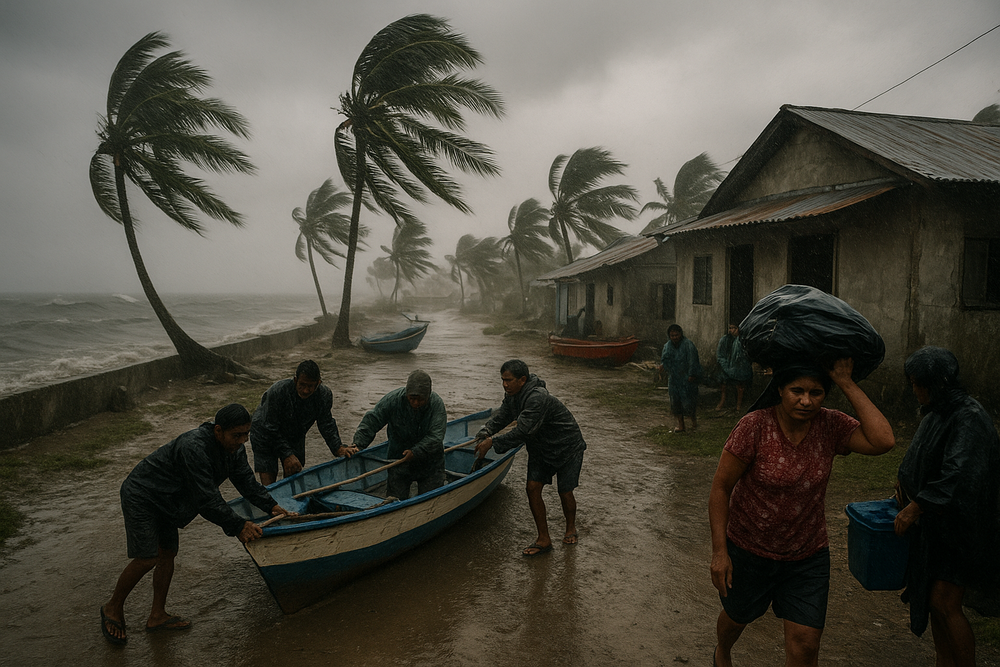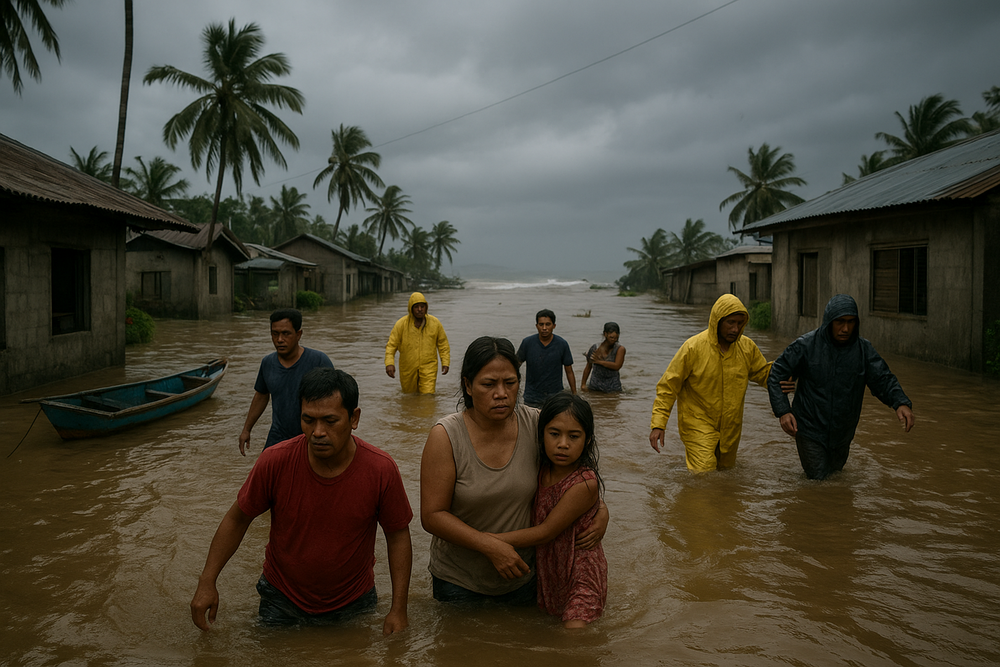
Tropical Storm Ada, known internationally as Nokaen, slowed and weakened over the Philippine Sea this week, easing wind threats across southern Luzon even as heavy rains and rough seas left a trail of flooding, displacement and two reported deaths in the Bicol region. The storm, the first tropical cyclone of 2026, briefly placed four areas under Signal No. 2 before steadily losing strength and drifting away from land.
Storm slows as warnings briefly raised
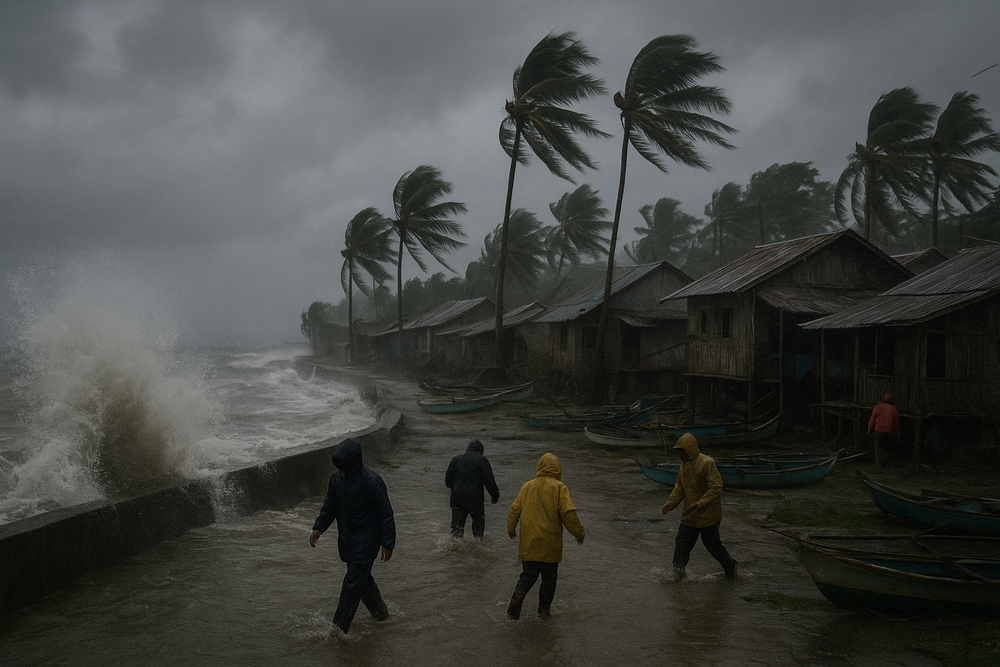
At 5 a.m. on January 18, the Philippine Atmospheric, Geophysical and Astronomical Services Administration (PAGASA) located Ada’s center 135 kilometres east-northeast of Virac, Catanduanes. The storm carried sustained winds of 75 kilometres per hour, with gusts reaching 90 kph, and crept east-northeastward. Gale-force winds extended as far as 440 kilometres from the center, prompting heightened alerts for parts of Bicol.
PAGASA issued Signal No. 2 for Catanduanes and the eastern portion of Camarines Sur, including Caramoan, citing the risk of moderate damage and dangerous sea conditions. “Signal No. 2 has been issued for Catanduanes and the eastern segment of Camarines Sur, Caramoan, where wind speeds of 62 to 88 kph could pose minor to moderate risks to life and property within the next 24 hours,” the agency warned in a bulletin early that morning.
Downgraded but danger lingers
By January 19 at 5 a.m., Ada weakened into a tropical depression, with winds dropping to 55 kph and gusts of up to 70 kph. Its center moved farther offshore, about 385 kilometres east of Casiguran, Aurora, and all wind signals were lifted.
The easing winds, however, did not mark an immediate end to disruption. PAGASA cautioned that the storm’s trough, interacting with the northeast monsoon (amihan), could still unleash periods of moderate to heavy rain over Bicol, Aurora, Quezon and Northern Samar. “Ada’s trough… potentially causing flash floods or landslides from moderate to heavy rains,” PAGASA said, urging communities to remain alert even as the cyclone weakened.
Human toll in Bicol
The National Disaster Risk Reduction and Management Council (NDRRMC) confirmed that two people were killed in a landslide in Sorsogon, a grim reminder of how rainfall, rather than wind, often poses the deadliest threat during slowing storms. The deaths remain under verification, but authorities have already flagged landslide-prone barangays for continued monitoring.
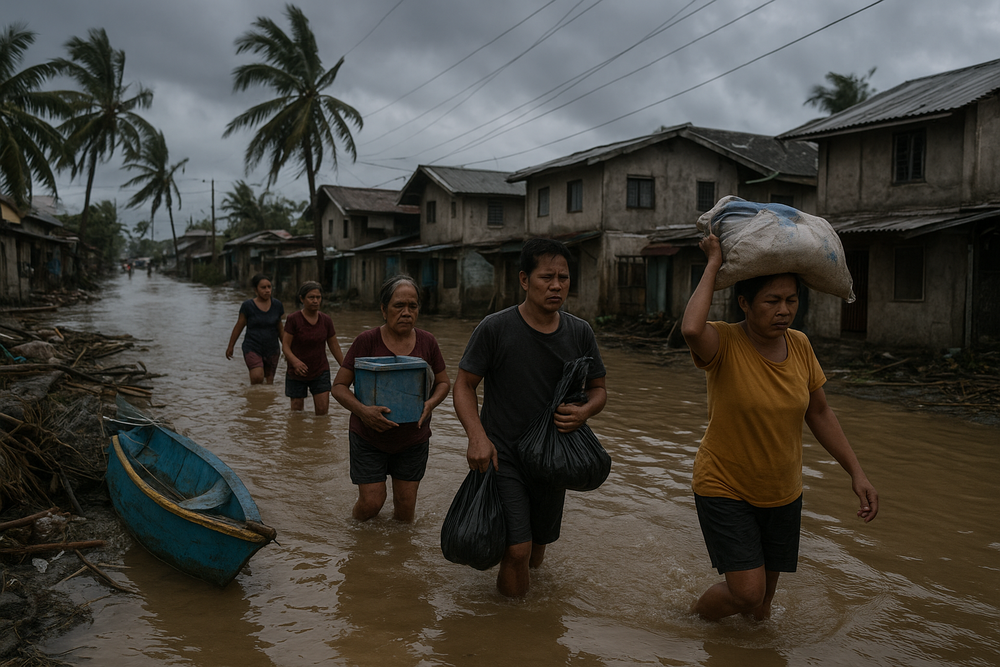
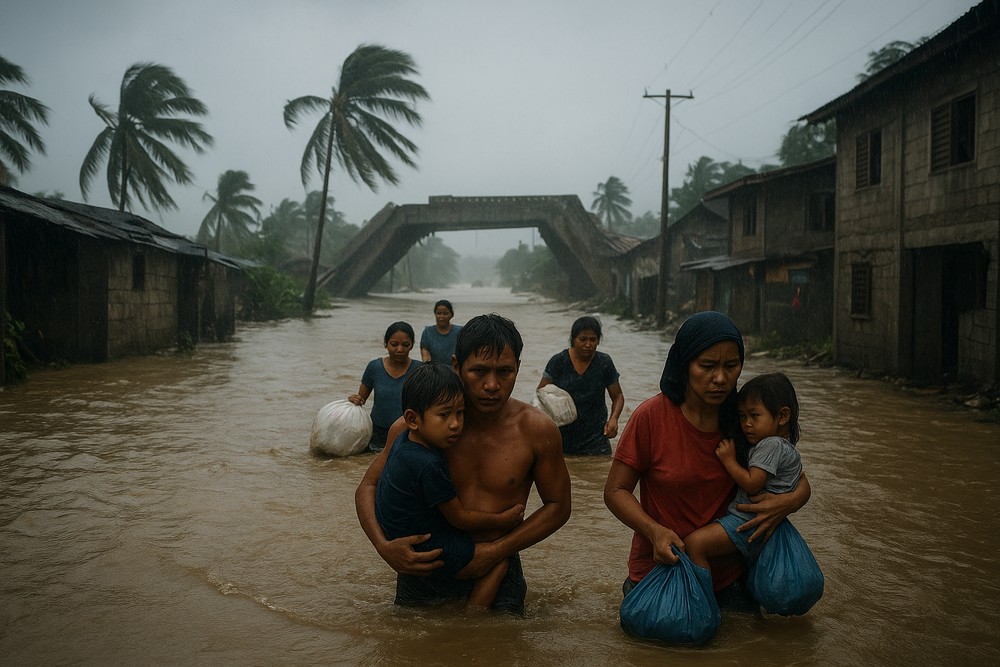
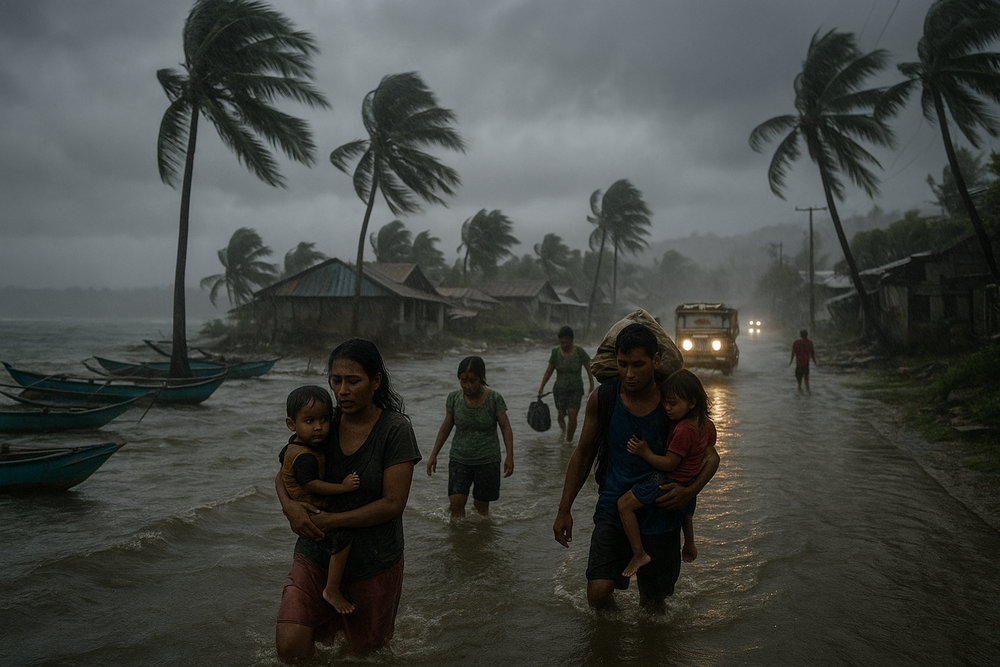
Across Bicol and parts of Caraga, the storm’s impact rippled through everyday life. The NDRRMC reported that 7,170 families, or 10,249 individuals, were affected, with 71 areas flooded and 82 residents evacuated to safer ground.
In coastal and low-lying communities such as Barangay Lictin in San Andres, Catanduanes, waist-high floodwaters interrupted fishing, farming and daily commutes. For households dependent on copra, abaca and small trade, the rains were a lingering obstacle, keeping boats ashore and markets half-empty.
Response and relief
Government agencies and local authorities moved to cushion the immediate blow. Under the framework of the Philippine Disaster Risk Reduction and Management Act, the NDRRMC oversaw evacuations and distributed ₱547,765 worth of food and non-food assistance to affected families.
Local government units in Catanduanes, Camarines Sur, Albay and Sorsogon coordinated clearing operations and issued renewed advisories against returning too quickly to danger zones. The Philippine Red Cross also documented flood responses in parts of Catanduanes, underscoring the role of volunteers in stretched rural communities.
A storm drifting away
By 10 a.m. on January 20, Ada had moved about 820 kilometres east of Northern Luzon, continuing on a slow path away from the country. Forecasters expect the system to loop over open waters and possibly dissipate between January 21 and 22 under the influence of the amihan.
Still, officials stress that the quieting winds should not breed complacency. In regions where hills meet the sea, rain can linger long after a cyclone loosens its grip. For thousands in Bicol, the storm’s passing leaves behind not only receding waters, but the uneasy wait for fields to dry, roads to clear, and routines to resume.