The decision by the Philippine government to terminate multibillion‑peso solar energy contracts linked to Congressman Leandro Leviste has intensified an already volatile political dispute, with Leviste insisting the sanctions are punishment for exposing what he calls the “Cabral files”—documents he claims reveal how billions in public infrastructure funds were allotted behind closed doors.
Authorities say the case is simpler than Leviste suggests. The Department of Energy (DOE) has imposed a ₱24‑billion penalty and cancelled more than 11,000 megawatts in renewable energy contracts held by Solar Philippines Power Plant Holdings Inc., the firm he founded, citing a failure to deliver projects that should have been operational by December 2025. The congressman maintains that the enforcement action is merely the most visible reprisal in a much larger effort to silence him.
A Contract Collapse With National Consequences
The DOE’s move strikes at the heart of the Philippines’ renewable energy ambitions. According to Energy Secretary Sharon Garin, the cancelled projects were critical additions to the national grid and their non‑delivery now threatens supply stability.
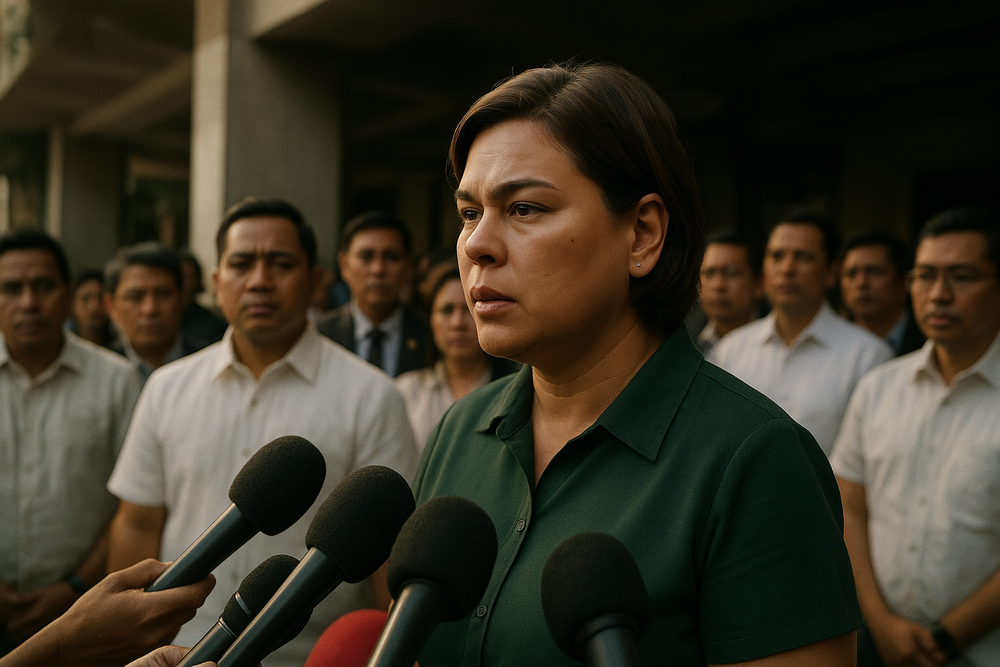
“Hindi naman. Kahit hindi siya mag‑ingay eh talagang canceled talaga ’yung projects niya,” Garin said, rejecting claims of retaliation. “Kung ’di namin ite‑terminate ito, mali ang gagawin namin.”
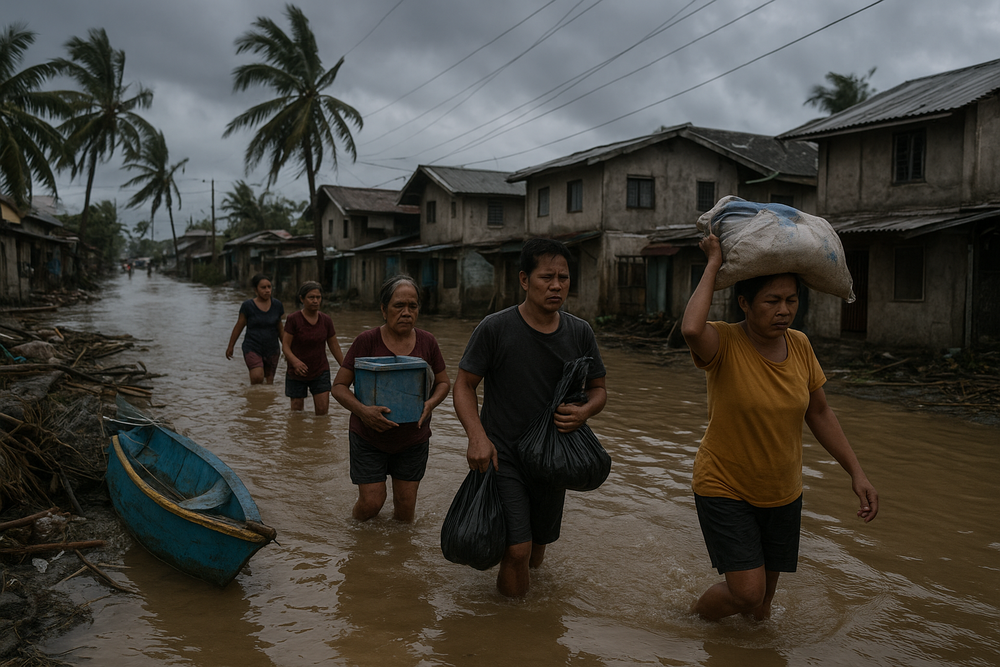
The risk, she warned, is not abstract. Without the promised capacity, the country could face a “Red Alert”—a grid emergency signalling insufficient power reserves—bringing with it rotating outages and sustained pressure on electricity prices. For households already grappling with rising costs, the missed megawatts are not just a line in a contract but a looming disruption to daily life.
Leviste’s Counter‑Narrative: Retaliation for Disclosure
Leviste, a first‑term lawmaker from Batangas’ 1st District, says the termination cannot be disentangled from his public disclosures late last year of the so‑called Cabral files, which he claims document infrastructure project proponents from 2023 to 2025.
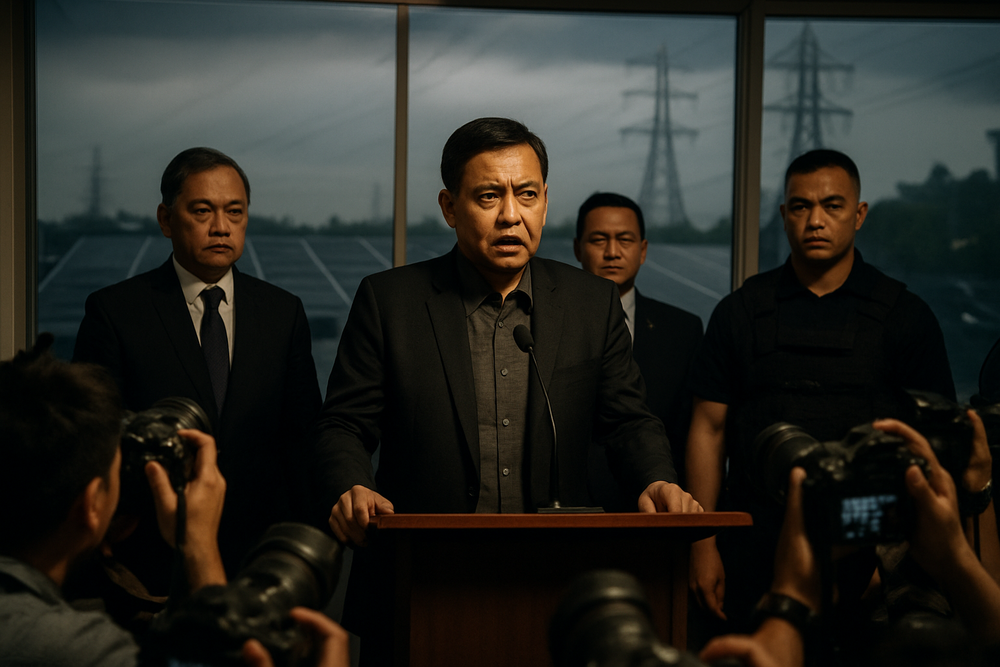
“Since September, I have been warned that I would face fabricated charges if I brought the ‘Cabral Files’ to light,” he said, adding that he was told to remain silent “for my own protection.”
To his supporters, the timing is suspect: months of tense exchanges over the documents, followed by the largest penalty ever slapped on a renewable energy developer. To the administration, the link exists only in Leviste’s rhetoric.
The Disputed Papers at the Heart of the Storm
The Cabral files take their name from the late Department of Public Works and Highways (DPWH) Undersecretary Maria Catalina Cabral. Leviste says she allowed him access to copies of internal records detailing infrastructure allocations. He insists he obtained them with her knowledge—and even claims they were tacitly sanctioned by DPWH Secretary Vince Dizon.
Dizon flatly denies this. He has said he neither authorised the transfer of documents nor authenticated any of those in Leviste’s possession, adding that the lawmaker allegedly accessed files from DPWH staff computers without consent.
Cabral’s lawyer, Mae Divinagracia, has taken a more cautious line. While confirming that Cabral was “aware” Leviste had documents, she said it would be “irresponsible” to affirm their authenticity without reviewing them. Six boxes of files, she noted, remain in DPWH custody.
An Investigation That Raises More Questions
The Office of the Ombudsman is examining parallel issues, including allegations that Leviste’s solar franchise was transferred or sold without the congressional approval required under Philippine law. Forensic checks on Cabral’s computer are planned, though officials have yet to explain whether they will compare the results with records already held by the government.
That uncertainty has drawn criticism from civil society. Human rights advocate Erin Tañada questioned why verification of what he called a “simple list” appears to be taking so long when official copies should exist.
“The longer it takes, the more it raises questions about the delay,” he said.
Economic Ripples Beyond One Company
Leviste has framed the dispute as a litmus test for the Philippines’ investment climate. He argues that aggressive enforcement against a prominent renewable energy developer sends a chilling signal to investors weighing long‑term projects in a country eager to expand clean power.
“My income is derived from private business,” he said, pointing to Solar Philippines’ rapid growth and its success in attracting capital in 2025. He has pledged to forgo his congressional salary and channel resources into defending his position.
Government officials counter that certainty cuts both ways—that enforcing contracts is precisely what assures investors the rules are real.
Only the Surface Exposed
For now, the clash remains unresolved. The DOE stands by its decision, the Ombudsman’s probe continues, and the authenticity of the Cabral files remains unverified. Yet the dispute has already spilled beyond boardrooms and hearing rooms, touching questions of energy security, transparency and trust in public institutions.
Leviste insists the documents he released are “just the tip of the iceberg.” Whether they reveal systemic wrongdoing—or simply fuel a political showdown over a failed business commitment—is a matter that the coming investigations will decide.