Cloudy skies and intermittent rains are expected to blanket large swaths of the Philippines as Tropical Depression Ada, the Northeast Monsoon or Amihan, a lingering shear line, and prevailing easterlies shape weather conditions from late December into the first weeks of the new year, according to the state weather bureau.
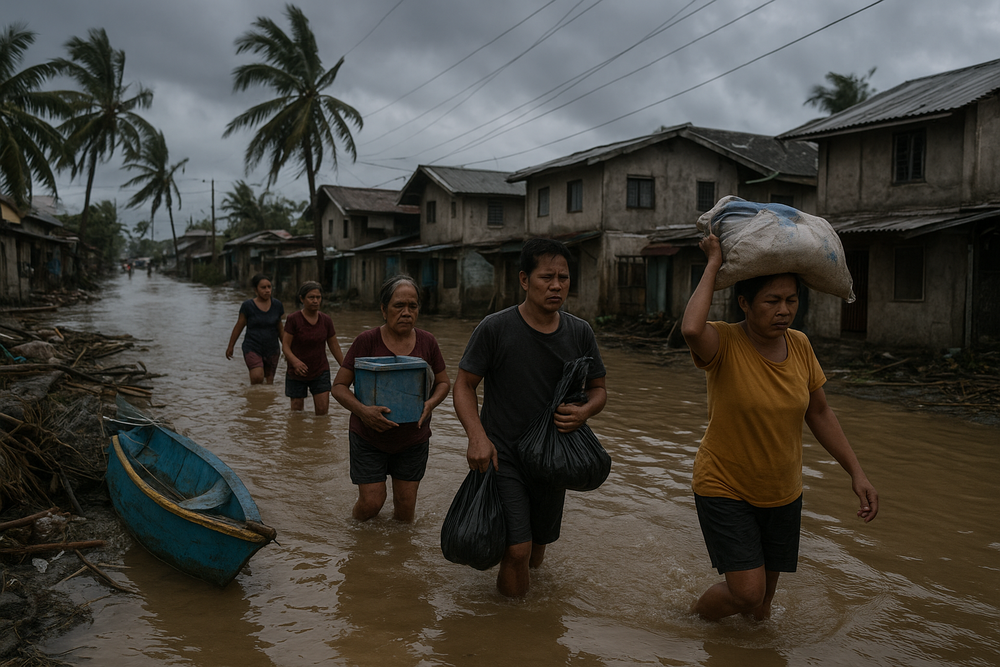
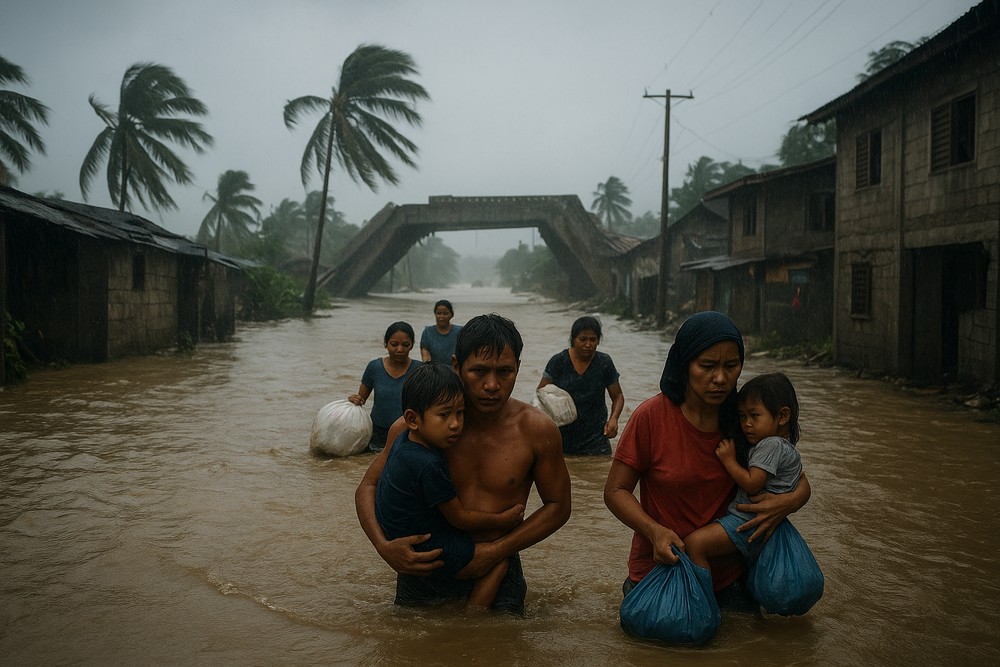
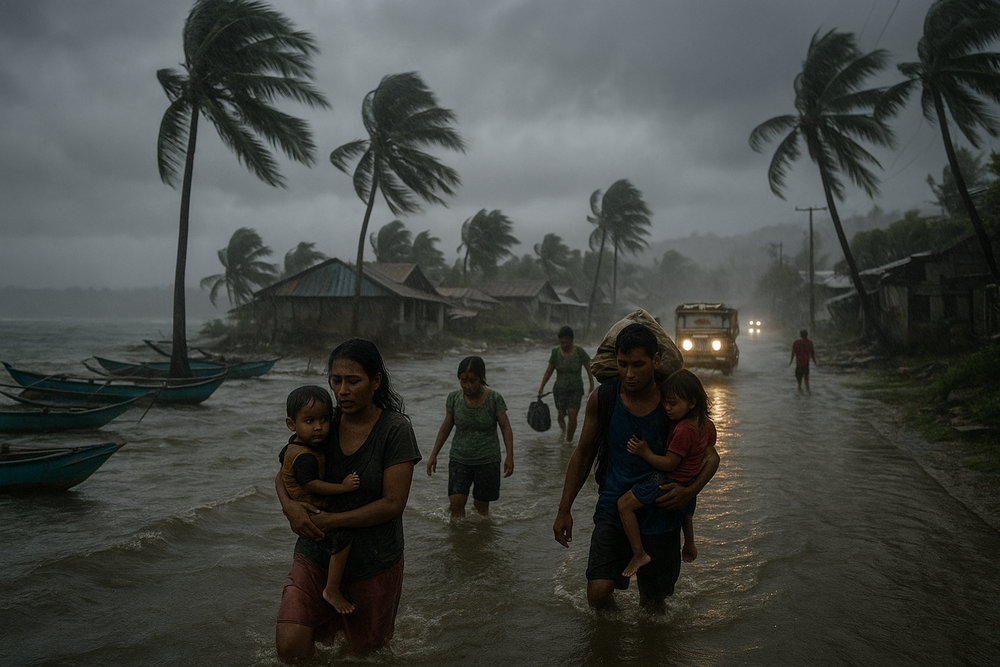
The Philippine Atmospheric, Geophysical and Astronomical Services Administration (PAGASA) said the combined systems will bring mostly light to scattered rainfall across parts of Luzon, Visayas, Mindanao, and MIMAROPA, with heightened risks of localized flooding and landslides in areas already prone to such hazards.
Amihan and shear line dominate holiday weather
In a special New Year outlook issued on December 29, PAGASA said, “The weather systems that are expected to affect the country during the New Year celebration are the Shear Line, Northeast Monsoon or Amihan, and Easterlies.”
The Amihan, which typically ushers in the Philippines’ dry season, continues to sweep across northern and central Luzon, bringing cooler air and occasional light rains. Under its influence are the Ilocos Region, the Cordillera Administrative Region, Cagayan Valley, Central Luzon, and Metro Manila, where skies are expected to remain partly cloudy to cloudy with only isolated rainfall.
By contrast, the shear line—the boundary where cold northeasterly winds meet warm easterlies—has become the focal point for wetter conditions. It affected Quezon and Camarines Norte toward the end of December before shifting to Aurora, parts of eastern Southern Luzon, Bicol, Visayas, and MIMAROPA in early January.
Where rains are likely to be heavier
While most of Luzon will see minimal disruption, PAGASA warned that cloudy skies with scattered rains and isolated thunderstorms are likely over Bicol, Eastern Visayas, Oriental Mindoro, Marinduque, Romblon, and Palawan. These conditions are linked both to the shear line and to easterly winds drawing moisture from the Pacific.
In Mindanao, easterlies are expected to bring bouts of rain over Northern and Eastern Samar, the Zamboanga Peninsula, Basilan, Sulu, Tawi-Tawi, and nearby areas. The risk, weather forecasters stressed, lies not in widespread flooding but in sudden downpours that can quickly swell creeks and destabilize slopes.
PAGASA has repeatedly cautioned that “residents in these areas are advised to remain alert for possible flash floods or landslides, especially during periods of moderate to heavy rainfall.”
Sea conditions and winds add to travel concerns
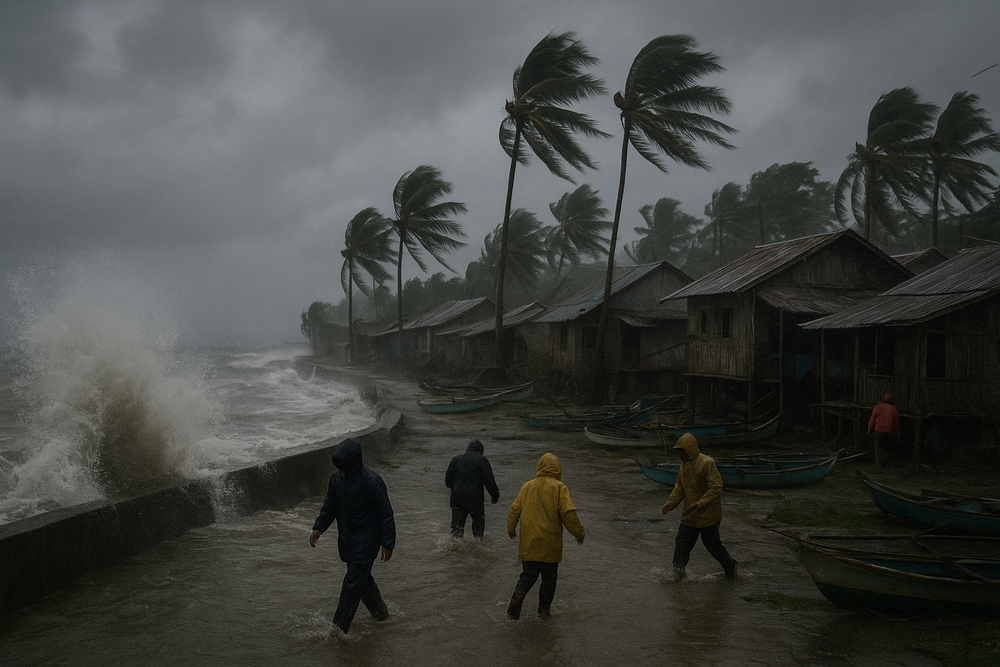
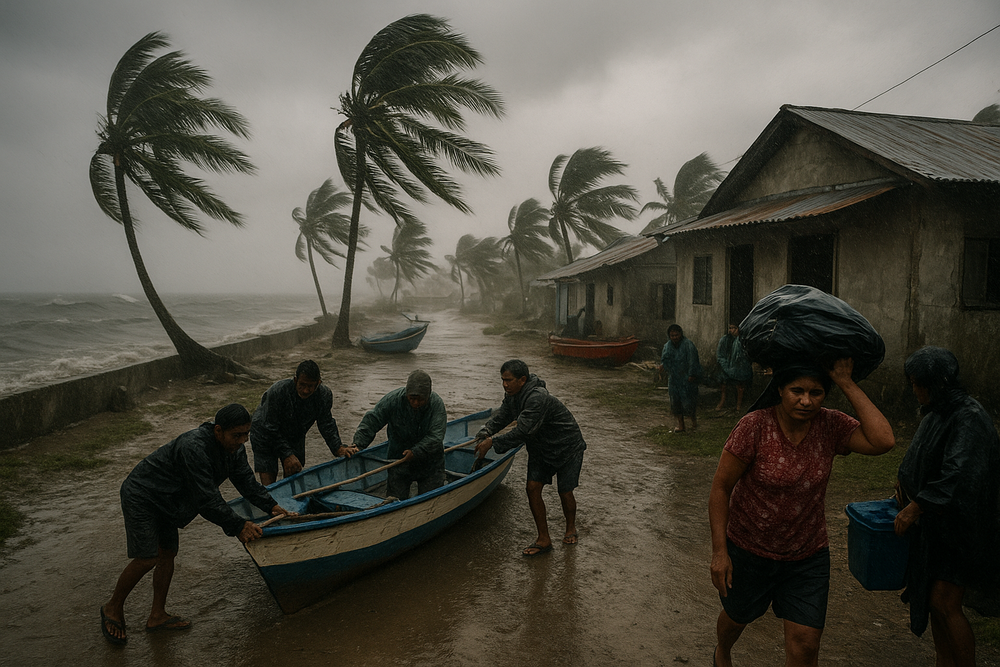
At sea, the Amihan is expected to generate moderate to strong northeasterly winds over Northern Luzon, producing moderate to rough seas that could affect small fishing boats and inter-island travel. Elsewhere, winds remain light to moderate, with slight to moderate sea conditions.
For many Filipinos traveling to visit family over the holidays, these conditions may mean increased ferry cancellations or delays—an inconvenience that echoes through coastal livelihoods dependent on daily crossings and fishing runs.
What it means for daily life
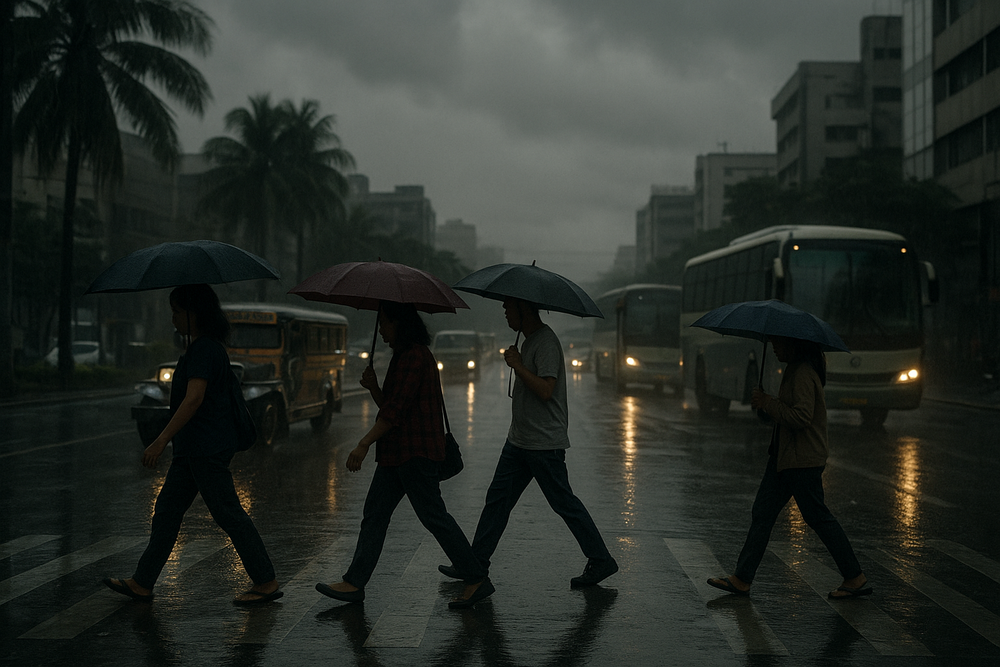
In Metro Manila and much of Luzon, the impact is expected to be modest: brief rain showers that may slow commutes, dampen New Year errands, and momentarily snarl traffic, but without significant disruption to work or commerce.
The picture is different in parts of Visayas, Bicol, and MIMAROPA. There, scattered rains and occasional thunderstorms increase the danger for low-lying barangays, upland farms, and communities along unpaved roads. For fisherfolk and informal vendors, even a day or two of unfavorable weather can mean lost income.
No storms, but close monitoring continues
PAGASA emphasized that no low-pressure areas or tropical cyclones were active during the New Year period, and that the prevailing pattern remains consistent with the gradual onset of the dry season. Daytime temperatures hovered around 29.2°C at year’s end, with overnight lows near 23.2°C, while humidity levels in January are forecast at 75 to 80 percent.
Still, the agency said it continues to closely monitor the region for any changes, including the possible development of the first storm of 2026.
In its advisories, PAGASA has urged the public—especially those in flood- and landslide-prone areas—to stay informed and take precautions, noting that the weather in the coming days may be uneven rather than extreme, like a patchwork quilt of sunshine and showers stitched together by shifting winds.