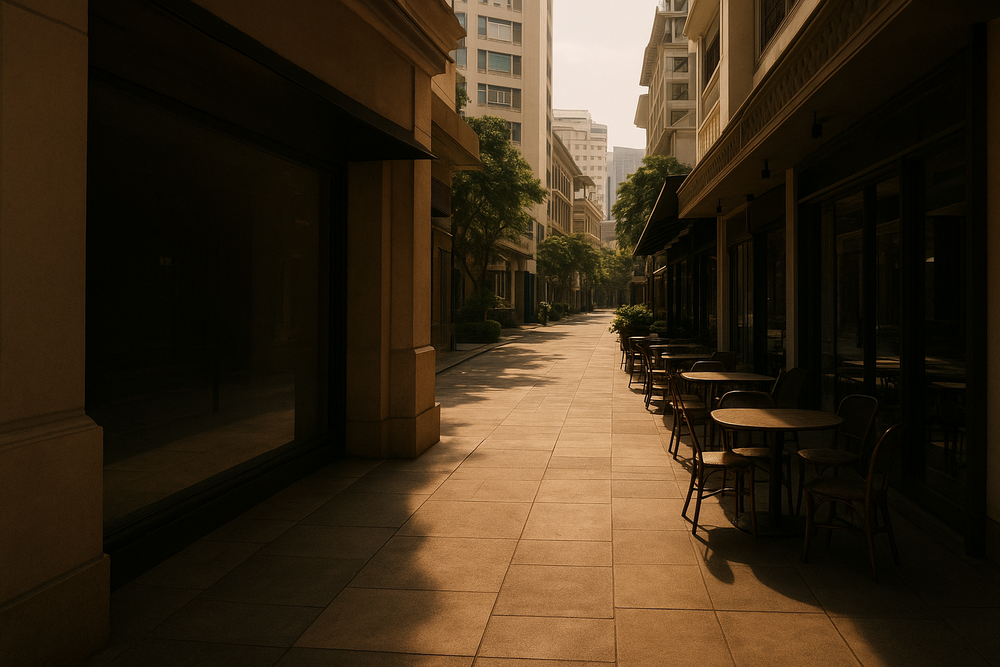
Saddle Row, a longstanding retail and dining establishment in the Rockwell Center of Makati City, has announced its permanent closure after nearly eight years of operation. This development marks a significant shift in the mix of businesses at one of Metro Manila’s most prestigious commercial districts, underscoring ongoing challenges faced by brick-and-mortar retailers in high-end urban environments.
End of an Era at Rockwell
Opening its doors around 2018, Saddle Row quickly became a fixture in the vibrant Rockwell Center, known for its array of upscale retail outlets and dining spots. Its closure, announced in January 2026, removes a familiar option from the neighborhood’s curated commercial landscape. Though specifics around the exact closing date remain undisclosed, the announcement reflects broader industry pressures.
Economic Pressures in a Premium District
Situated in Barangay Sto. Niño, Rockwell Center operates under the strain of some of the highest rental rates in the Philippines, with commercial spaces commanding between PHP 800 to PHP 2,000 per square meter monthly. This intense rental environment, combined with shifts in consumer behavior—including the growing preference for online shopping—creates a challenging atmosphere for physical retail and dining operations.
Impact on Employees and the Local Community
One of the most pressing concerns surrounding the closure is its effect on the establishment’s workforce. Although the precise number of displaced employees has not been officially confirmed, the termination of operations inevitably disrupts livelihoods and raises questions about severance pay and compliance with the Labor Code of the Philippines. The law mandates separation benefits, timely payment of wages, and continued health and social security contributions, all of which are critical safeguards for affected workers.
For the local community and consumers, the loss means fewer retail and dining choices within Rockwell Center’s tightly curated portfolio. Remaining establishments may experience shifts in foot traffic patterns as patrons redistribute their spending, potentially altering the precinct’s vibrant ecosystem.
Property Management and Market Dynamics
From the perspective of Rockwell Land Corporation, the property’s developer and manager, the closure may represent a strategic decision—or a mutual agreement—prompted by financial viability concerns. Vacancy at this level of the market is a double-edged sword: on one side, it reduces immediate rental income but on the other, it opens possibilities to attract higher-value tenants or undertake redevelopment initiatives to maintain Rockwell’s premium positioning.
Labor and Business Compliance Under Review
The closure triggers procedural responsibilities under several layers of regulation. These include ensuring adherence to Makati City’s business permit policies, confirming tax and legal clearance with the Bureau of Internal Revenue, and verifying employment transitions through the Department of Labor and Employment. The compliance process is crucial to protect workers’ rights and preserve orderliness in the highly regulated commercial district.
Broader Retail Trends Reflected in Saddle Row’s Exit
Saddle Row’s departure echoes a wider trend of consolidation within the Philippine retail sector, especially among physical stores grappling with rising operational costs. Rent, labor, and utilities contribute to a cost structure that is increasingly difficult to sustain, particularly in exclusive locales like Rockwell Center where consumer expectations and expenditure patterns continually evolve.
Unanswered Questions and the Path Forward
As of January 16, 2026, no formal statements have been issued by Saddle Row’s management, Rockwell Land Corporation, or relevant government bodies. The absence of official communication leaves gaps in understanding the motivations behind the closure, potential plans for the vacated space, and the fate of displaced employees.
Further investigation is essential to clarify these matters, encompassing confirmation of the closure through city permits, detailed employee impact data from labor authorities, and feedback from the surrounding Rockwell tenant community. Such inquiry will illuminate the full ramifications of the closure within the context of Metro Manila’s evolving retail landscape.
Looking Ahead
The closure of Saddle Row in Rockwell Center serves as a poignant indicator of the shifting dynamics at play in Manila’s premium commercial districts. As traditional retail models confront the dual pressures of economic cost and changing consumer preferences, stakeholders—from property owners to employees and patrons—must navigate a period of transformation that will redefine the neighborhood’s commercial identity in the years to come.