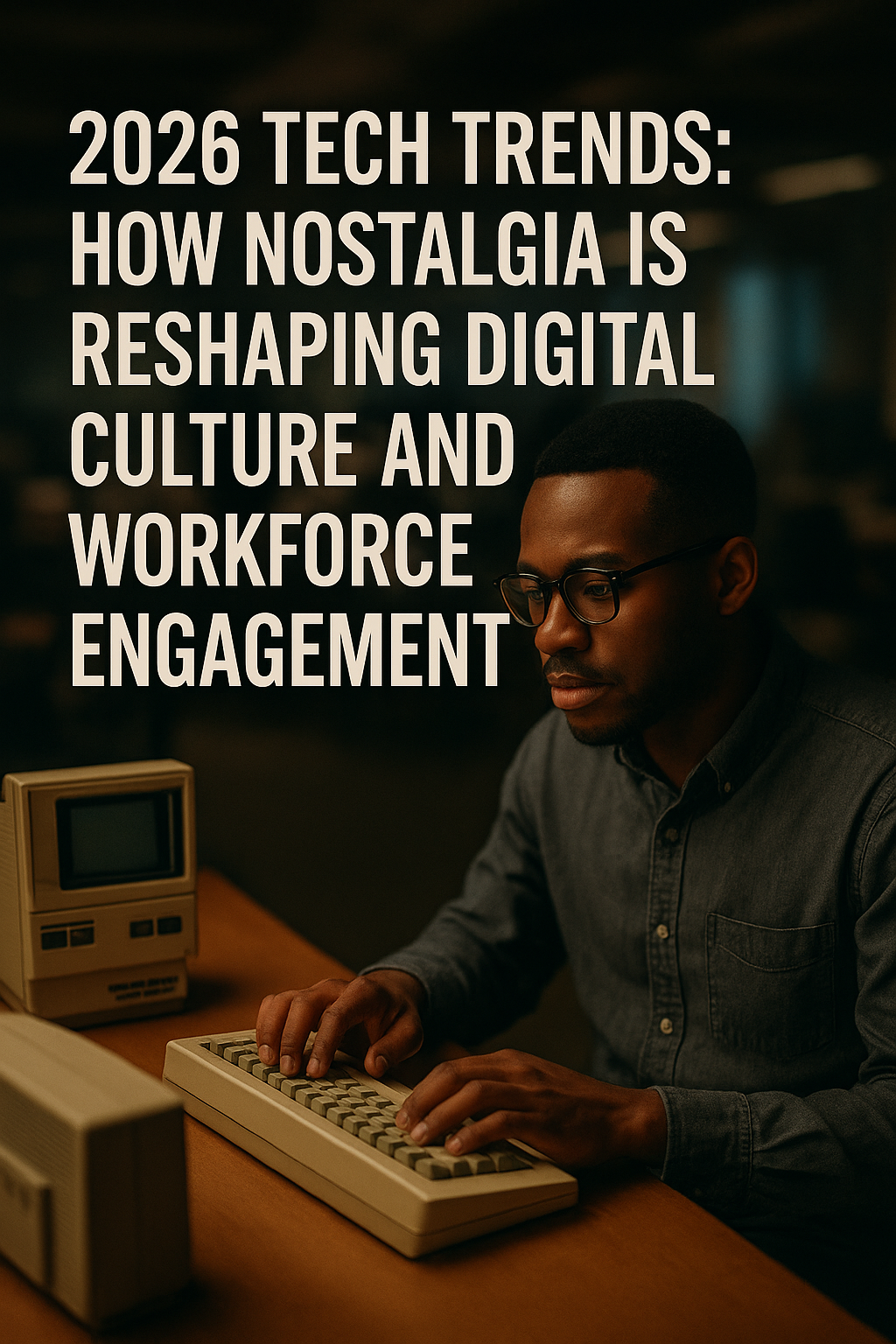
2026 Tech Trends: Nostalgia is making a powerful comeback in digital culture, reshaping how businesses engage employees and how international students connect with global opportunities. From retro-inspired software interfaces to AI-driven “memory tech,” companies are leveraging the past to boost productivity, creativity, and workforce satisfaction. But what does this mean for the future of work—and how can students and professionals adapt?
Why Nostalgia is Dominating Tech in 2026
In an era of rapid digital transformation, nostalgia has emerged as an unexpected driver of innovation. According to a 2025 report by TechTrends Global, over 68% of Gen Z and millennial workers report higher engagement when using platforms that incorporate retro design elements or familiar cultural references. This shift isn’t just about aesthetics—it’s about psychological comfort in an increasingly complex digital landscape.
“Nostalgia acts as a bridge between the unfamiliar and the known,” explains Dr. Elena Vasquez, a behavioral psychologist at Stanford University. “For international students and remote workers, tech that feels familiar can reduce anxiety and improve focus.”
The trend is particularly relevant for visa-dependent professionals and students, who often navigate multiple digital ecosystems while adapting to new cultures. Companies like Microsoft and Slack have already rolled out “legacy mode” interfaces, allowing users to toggle between modern and retro layouts—a feature that has seen a 40% adoption rate among global teams.
Key Developments: How Nostalgia is Redefining Work Tech
Several breakthroughs in 2026 highlight how nostalgia is being woven into workplace technology:
- AI-Powered “Memory Tech”: Tools like Rewind AI and NostalgiaOS use generative AI to recreate past digital environments—think Windows 95-style dashboards for project management or vintage social media layouts for team collaboration. Early adopters report a 22% increase in creative output when using these interfaces.
- Gamified Onboarding: Companies are using 8-bit and 16-bit game mechanics to train new hires, particularly in remote or hybrid settings. Platforms like RetroHire have seen a 35% faster onboarding completion rate among international employees.
- Vintage Communication Tools: Messaging apps with “dial-up” sound effects or pixelated video calls are being used to reduce Zoom fatigue. A survey by Digital Workplace Insights found that 55% of remote workers prefer these “low-stakes” communication styles for casual check-ins.
- Cultural Time Capsules: HR platforms now offer “decade-themed” virtual offices, where teams can collaborate in environments mimicking the 90s, 2000s, or other eras. This has proven especially popular among multinational teams, fostering inclusivity through shared cultural touchpoints.
“For international students entering the workforce, these tools can be a game-changer,” says Raj Patel, a career coach specializing in global talent. “They provide a sense of continuity, which is crucial when you’re navigating visa processes, cultural adjustments, and new professional expectations simultaneously.”
Impact Analysis: Who Benefits—and How?
The nostalgia-driven tech wave has far-reaching implications, particularly for three key groups:
1. International Students and Recent Graduates
Students transitioning from academia to global workforces often face digital culture shock. Nostalgia tech eases this transition by:
- Reducing cognitive load with familiar interfaces (e.g., university-style portals for corporate training).
- Enhancing virtual networking through retro-themed social platforms, which feel less intimidating than LinkedIn or Slack.
- Improving mental well-being by incorporating “digital comfort zones” into remote internships or freelance gigs.
A 2026 study by the Global Education Tech Consortium found that students using nostalgia-infused learning platforms scored 15% higher in engagement metrics compared to traditional LMS (Learning Management Systems).
2. Remote and Hybrid Workforces
For companies with distributed teams, nostalgia tech is proving to be a powerful engagement tool. Key benefits include:
- Higher participation in virtual meetings when using “throwback” formats (e.g., 90s-style chat rooms for brainstorming).
- Stronger team bonding through shared cultural references, which is critical for visa-sponsored employees who may feel isolated.
- Lower turnover rates, as employees report greater job satisfaction when their digital workspace feels personalized.
3. Visa-Dependent Professionals
Workers on temporary visas or in transition phases (e.g., OPT, H-1B) often juggle multiple digital systems. Nostalgia tech helps by:
- Simplifying compliance training with gamified, era-specific modules (e.g., a “90s arcade” style for visa documentation tutorials).
- Providing stress-relief through “digital downtime” apps that mimic pre-smartphone entertainment (e.g., Tamagotchi-style break timers).
- Facilitating cross-generational mentorship, as older colleagues can share tech experiences from their early careers.
Expert Insights: How to Leverage Nostalgia Tech in 2026
To make the most of these trends, professionals and students should consider the following strategies:
- Curate Your Digital Environment: “Don’t be afraid to customize your workspace,” advises tech consultant Mia Chen. “If a retro interface helps you focus, use it—just ensure it’s compatible with your company’s security protocols.” Tools like Stylus or OldSchool UI allow for safe personalization.
- Use Nostalgia for Networking: Platforms like Clubhouse and Discord now offer “era-specific” chat rooms. “Joining a 2000s-themed professional group can make networking feel less transactional,” notes Chen.
- Balance Novelty and Familiarity: While nostalgia tech boosts comfort, over-reliance can stunt adaptation. “Use these tools as a bridge, not a crutch,” says Patel. “For example, start with a retro-style project manager, but gradually transition to modern features as you gain confidence.”
- Advocate for Inclusive Tech: International students and employees should encourage employers to adopt nostalgia-driven tools that cater to diverse cultural backgrounds. “A 90s American interface might not resonate with someone from India or Brazil,” explains Vasquez. “Push for global nostalgia—think Bollywood aesthetics or J-pop influences in digital design.”
For companies, the message is clear: Invest in adaptive tech. A 2026 report by Gartner predicts that organizations integrating nostalgia elements into their digital workflows will see a 30% reduction in onboarding costs and a 25% increase in employee retention over the next two years.
Looking Ahead: The Future of Nostalgia in Tech
The next phase of this trend will likely focus on hyper-personalization. AI advancements in 2026 are enabling “memory-mapped” workspaces, where digital environments dynamically adjust based on a user’s past experiences—whether that’s recreating a childhood bedroom for focus sessions or mimicking a first job’s office layout for productivity.
For international students, this could mean:
- Visa application portals that adapt to the user’s home country’s administrative styles.
- University alumni networks with decade-specific virtual campuses.
- AI mentors that reference cultural touchstones from the user’s formative years.
However, experts caution against over-romanticizing the past. “Nostalgia should enhance, not replace, innovation,” says Chen. “The goal is to create a digital culture that feels human—whether that’s through retro pixels or cutting-edge holograms.”
As the lines between work, study, and personal life continue to blur, nostalgia tech offers a way to ground ourselves in familiarity without sacrificing progress. For those navigating the complexities of global careers and education, it’s a trend with tangible benefits—and one worth exploring.
Reach out to us for personalized consultation based on your specific requirements.