The Philippines’ national government debt has surged to a historic peak, reaching ₱17.65 trillion as of November 2025, surpassing the Marcos administration’s full-year projection. The swift climb, driven by intensified domestic and external borrowings, has raised alarms among economists and policymakers over the country’s shrinking fiscal space amid looming mid-term elections.
Debt Surges Beyond Year-End Target
According to the Bureau of the Treasury (BTr), the national government’s outstanding debt climbed to ₱17.65 trillion on November 30, 2025, marking a 0.49% monthly increase from October’s ₱17.56 trillion. This figure exceeds the government’s 2025 year-end target of approximately ₱17.35–₱17.36 trillion by nearly ₱300 billion.
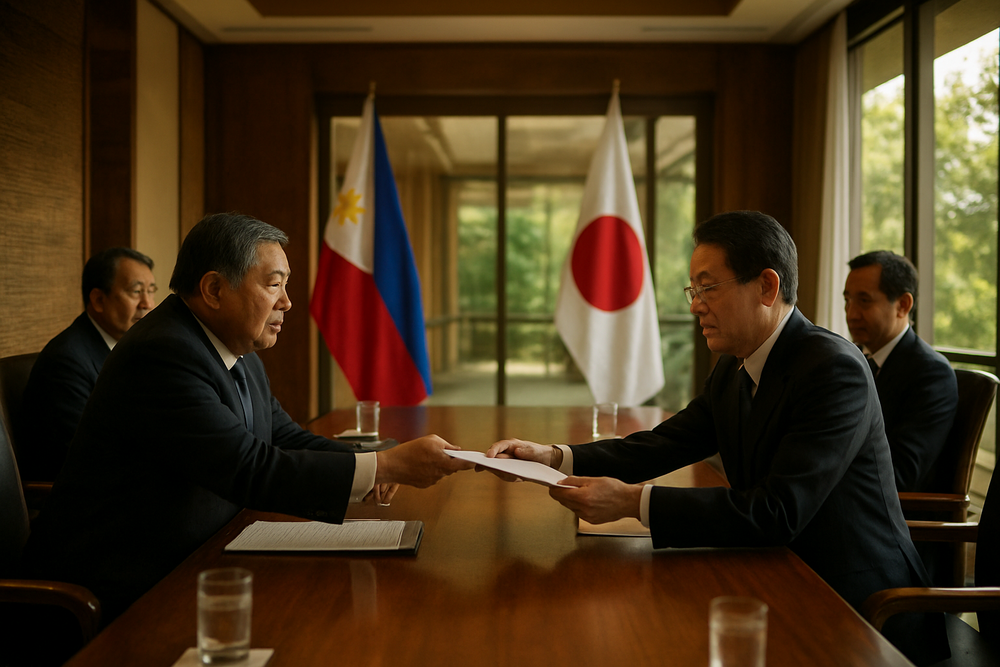
Compared to November 2024’s debt stock of around ₱16.05 trillion, this represents a staggering rise of nearly 10% in just one year. The accumulation stems largely from continuous net issuance of domestic government securities, such as Treasury bonds and Treasury bills, complemented by fresh external borrowings from foreign governments, multilateral institutions, and international capital markets.
Domestic Debt Dominates as External Borrowing Rises
The debt stock’s composition reveals ₱12.12 trillion (68.7%) held in domestic obligations, with the remaining ₱5.53 trillion (31.3%) constituting external debt. These figures align with the government’s borrowing strategy to prioritize local peso-denominated securities to mitigate foreign exchange risk and channel interest payments to Filipino investors.
The BTr noted that while the peso appreciated slightly in November—temporarily easing peso-equivalent valuations of foreign-currency obligations—the peso’s overall depreciation by roughly 16% over the past 3.5 years has inflated the peso cost of the country’s external debt. A market economist explained that the peso’s softness “effectively increased the peso equivalent of the outstanding National Government external debts,” which, combined with ongoing deficits, pushes debt levels beyond official targets.
Fiscal Deficit Worsens Amid Expanding Borrowing Needs
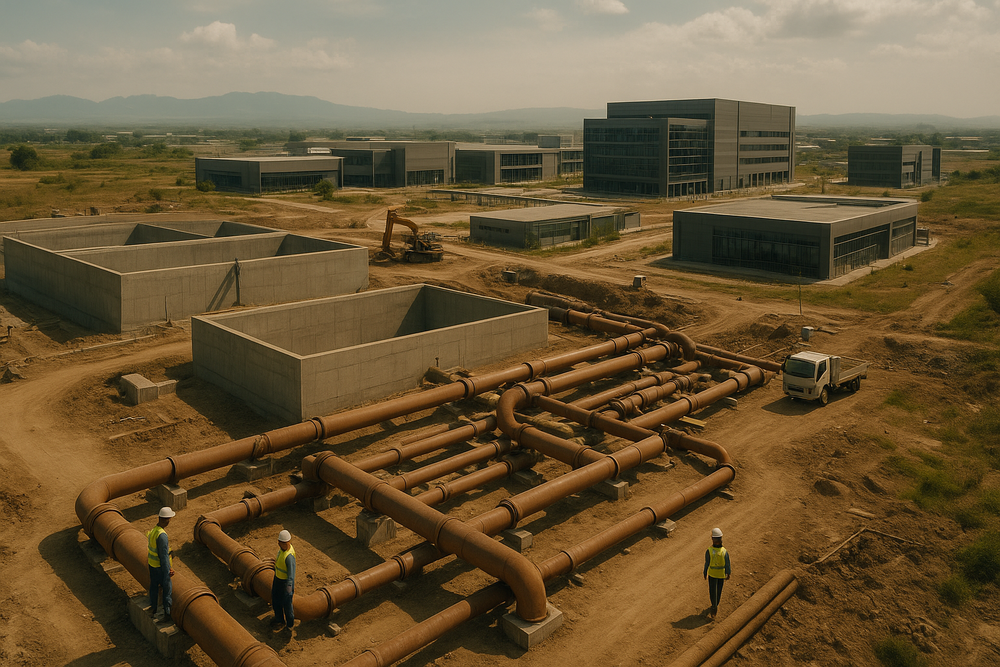
The government’s budget deficit widened to about ₱1.26 trillion as of November 2025, surpassing the previous year’s deficit. This persistent shortfall necessitates continued borrowing to cover spending gaps, inflating the debt stock further. Officials link the deficit to pandemic recovery efforts, inflationary pressures, and expansive infrastructure programs under the “Build Better More” initiative.
Looking forward, the 2026 budget projections forecast a national debt surpassing ₱19 trillion by year-end, with a planned borrowing mix shifting slightly towards more external sources—about 23% external debt compared to 19% in 2025—reflecting both financing needs and economic conditions.
National Debt’s Ripple Effects Across the Archipelago
The record debt level carries significant implications for millions of Filipinos. The government’s rising debt commitments reduce fiscal space—effectively tightening the purse strings for social services, education, healthcare, and subsidies. This squeeze may be particularly felt in poorer provinces, where local government units depend heavily on national transfers and infrastructure projects.
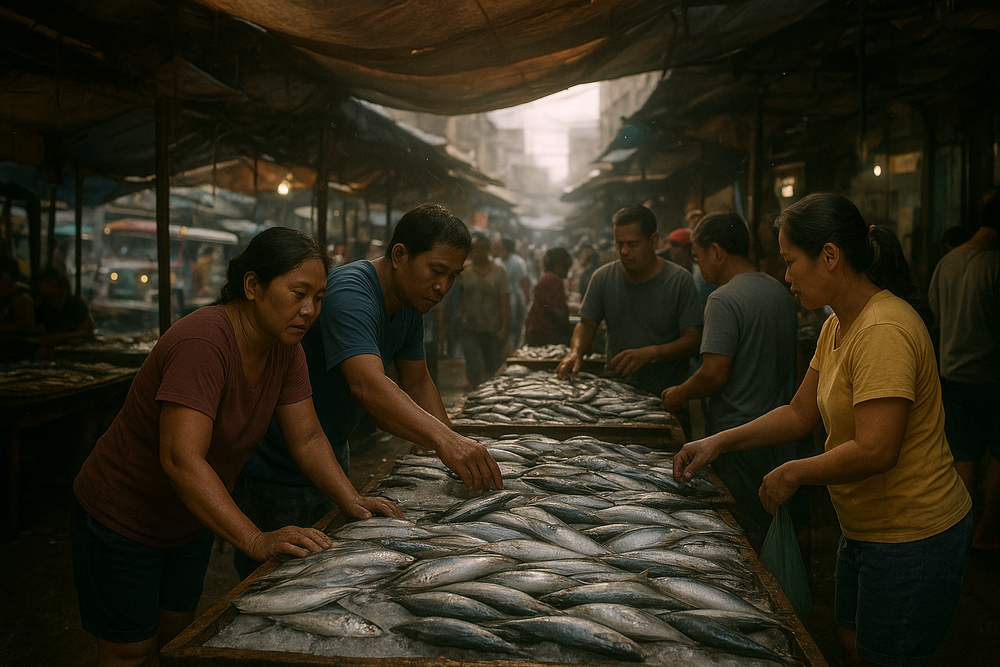
Residents of Metro Manila and thriving urban centers may see tangible gains from debt-financed infrastructure such as new rail lines or highways. However, communities in less developed regions risk bearing the long-term debt burden without parallel improvements in public services or economic opportunities. For jeepney drivers, sari-sari store operators, and informal workers, looming tax hikes and persistent inflation threaten to erode already slim incomes and purchasing power.
Moreover, high debt narrows the government’s ability to respond flexibly to future shocks, such as natural disasters or health emergencies, potentially leaving vulnerable sectors without adequate support.
Mixed Perspectives on Fiscal Strategy and Risks
Government leaders emphasize that borrowing remains a necessary tool to finance the country’s recovery and growth. The BTr has reiterated its commitment to sustainable debt management by focusing on domestic, peso-denominated borrowings, which reduce currency risk and keep interest earnings within local markets. Officials insist the current debt is manageable relative to GDP and consistent with credit rating agency thresholds.
They further argue that the ongoing infrastructure push under the “Build Better More” program will generate economic return and increased revenues, helping to service the debt in the long term. The administration highlights planned fiscal reforms aimed at improving tax collection and rationalizing expenditures as means to gradually ease the debt burden.
Conversely, opposition lawmakers and critics warn that the breach of the debt ceiling signals weak fiscal discipline and forecasting errors. They express concern that the growing debt combined with a considerable budget deficit and peso depreciation escalates exposure to interest rate shifts and foreign exchange volatility. Skeptics question the allocation of resources, highlighting perceived Metro Manila-centric spending and insufficient attention to poverty alleviation in outlying regions.
Calls for enhanced transparency from COA audits and Congressional oversight gain momentum amid fears that accelerated borrowing may fuel election-related expenditures under the guise of development.
Calls for Prudence from Economists and Civil Society
Independent economists caution that while the current debt level remains serviceable, the Philippines’ margin for error is thin. They stress that global interest rate hikes, sluggish domestic growth, or further peso depreciation could quickly exacerbate debt costs, jeopardizing fiscal sustainability.
Experts advocate prioritizing high-quality, productive investments over wasteful spending, broadening the tax base in a fair manner, and strengthening institutional capacities—specifically within the BIR, BOC, and COA—to reduce dependence on borrowing.
Grassroots organizations highlight that despite the ballooning debt, many communities continue to face job insecurity, insufficient public services, and high everyday costs. Some social advocates demand comprehensive debt audits or even renegotiation of opaque loans they describe as “odious.” Meanwhile, the business sector urges a credible fiscal consolidation plan to maintain investor confidence and prevent rising costs of borrowing that could stifle private sector growth.
Looking Ahead: Balancing Growth and Fiscal Responsibility
As the Philippines enters the 2025–2028 mid-term political cycle, the challenge of managing a record-breaking debt amidst pressing social and economic demands looms large. The government must tread carefully to balance infrastructure-led growth ambitions with fiscal prudence, ensuring that debt does not become an albatross that stifles future generations.
With key elections on the horizon, the national discourse will undoubtedly center on how best to harness borrowed resources for inclusive development while safeguarding economic sustainability in an increasingly complex global environment.