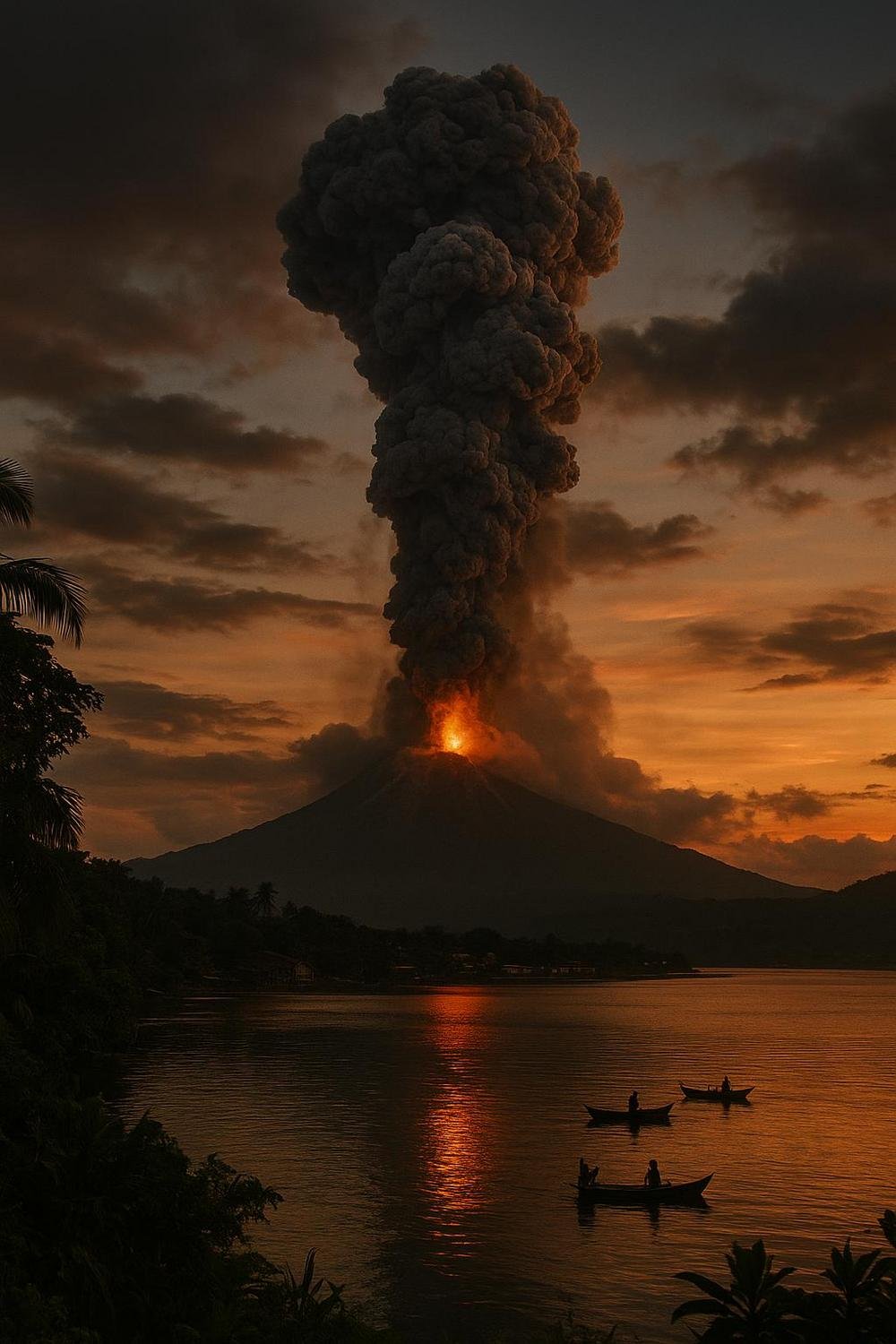
In the early evening of last Friday, Taal Volcano once again demonstrated its restless nature with a minor phreatomagmatic eruption that lasted four minutes and produced a dramatic 900-meter-high plume rising from its Main Crater. The plume drifted southwest across the skies above Batangas, rekindling caution among local residents and authorities tasked with monitoring volcanic unrest in the region.
Phreatomagmatic Burst Signals Ongoing Volcanic Unrest
Between 7:11 PM and 7:15 PM, the Philippine Institute of Volcanology and Seismology (PHIVOLCS) recorded a brief but distinct phreatomagmatic eruption—an event characterized by explosive interactions between water and magma or heat at the volcano’s Main Crater. This type of eruption generates steam-driven explosions, releasing ash and gas that form towering plumes, though no significant magmatic explosions are currently anticipated.
PHIVOLCS maintained its Alert Level 1 status (on a scale of 0 to 5), indicating low-level abnormal unrest. While no hazardous eruption is imminent, the agency cautioned that sudden steam-driven explosions and ash fall remain possible, especially near the lake’s rim communities.
Prime Location and Persistent Volcanic Behavior
Situated about 60 kilometers south of Metro Manila, in Batangas Province within the CALABARZON region, Taal Volcano is infamous for its complex volcanic activity and proximity to densely populated areas. The most recent phreatomagmatic activity echoes similar events earlier this year, including a comparable eruption on January 10 that also produced a 900-meter plume lasting several minutes.
Throughout early January 2025, PHIVOLCS has noted continuous gas and steam emissions ranging between 400 to 600 meters above the crater rim, alongside fluctuating sulfur dioxide emissions—a proxy for the volcano’s magmatic activity. Seismic monitoring revealed an average of one volcanic earthquake daily, which remains consistent with ongoing low-level volcanic unrest.
Warnings and Restrictions: The Permanent Danger Zone
PHIVOLCS unequivocally classifies all of Taal Volcano Island as a Permanent Danger Zone (PDZ), strictly prohibiting public entry due to the risk of sudden explosions, ash emission, and hazardous base surges. Authorities specifically highlight the Main Crater and the Daang Kastila fissure as prohibited areas to prevent casualties.
Local governments surrounding Taal Lake—including municipalities such as Talisay, Laurel, Agoncillo, and Tagaytay City—have been urged to maintain vigilance, enforce disaster risk reduction protocols, and prepare for potential ash fall and gas hazards that may affect their constituents.
Regional Impact: Economic, Health, and Livelihood Concerns
Though the recent eruption is minor, its implications extend beyond the immediate volcanic island. The CALABARZON region, which accounted for over 1.68 million people below the poverty line in prior assessments, remains vulnerable to volcanic effects that disrupt daily life.
Historical data from the significant 2020 eruptive episode offers a sobering view of potential consequences. The National Economic and Development Authority (NEDA) estimated foregone incomes ranging between PHP 4.3 billion and PHP 6.66 billion within a 14- to 17-kilometer radius from the volcano, representing between 0.17% and 0.26% of the regional gross domestic product.
- Agriculture: Damages exceeded PHP 3 billion, affecting nearly 16,000 hectares of crops and close to 2,000 heads of livestock.
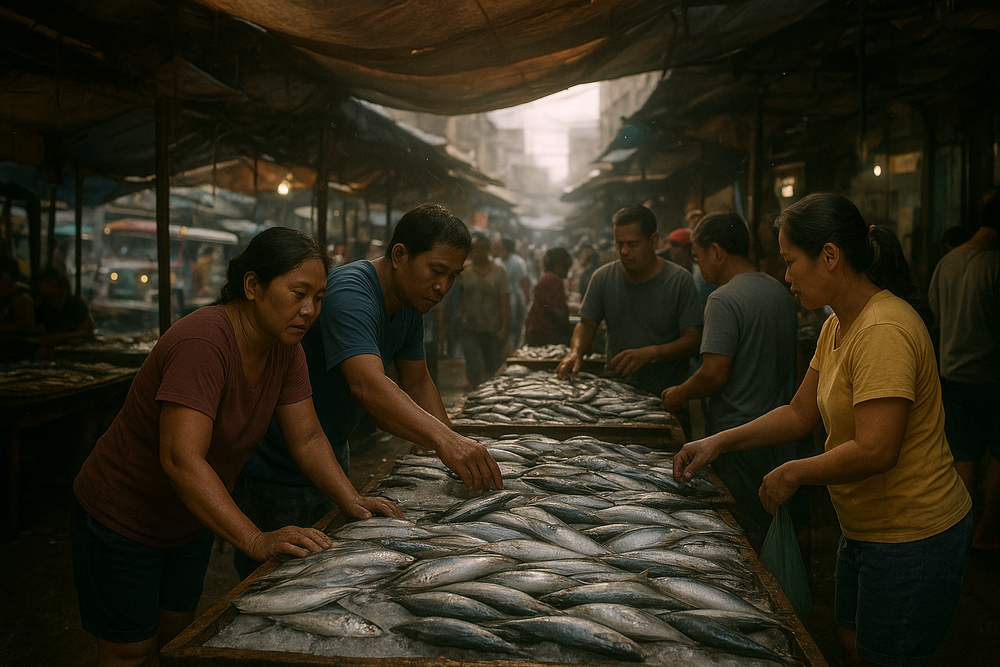
- Fisheries: Losses around Taal Lake tallied at approximately PHP 1.6 billion, largely attributed to disruptions in tilapia and bangus culture.
- Tourism: Revenue losses and property damages to tourism facilities within the hazard zones approached several million U.S. dollars.
This context underscores the precariousness of local livelihoods, which remain heavily dependent on farming, fishing, and tourism—all sectors acutely sensitive to volcanic activity and its unpredictable disruptions.
Health Risks and Everyday Challenges for Residents
The persistence of volcanic smog (vog) and ash clouds exacerbates respiratory conditions, notably affecting vulnerable groups such as children, the elderly, pregnant women, and individuals with pre-existing health issues. Even at Alert Level 1, communities in Calabarzon and neighboring Central Luzon and Metro Manila experience irritating eye and throat symptoms, occasionally prompting advisories for mask usage and air quality monitoring.
Additional impacts include contamination of water sources and the burden of procuring protective equipment and basic medicines, which can strain limited household resources amid ongoing challenges associated with volcanic unrest.
Government Preparedness and Regulatory Frameworks
The country’s robust disaster risk management system mobilizes a broad network of agencies in response to Taal’s activity. PHIVOLCS leads scientific monitoring and alerting, supported by the Department of Science and Technology (DOST), National Disaster Risk Reduction and Management Council (NDRRMC), Office of Civil Defense (OCD), and various other government offices.
Local government units around Taal Lake enforce evacuation orders, maintain the PDZ restrictions, and operate relief operations funded partly by allocated disaster risk reduction funds as per Republic Act No. 10121 (Philippine Disaster Risk Reduction and Management Act of 2010).
Health guidelines, environmental monitoring, law enforcement, and economic impact analyses feed into coordinated strategies designed to protect lives, sustain livelihoods, and prepare for potentially escalated volcanic episodes.
Voices from the Field: Balancing Caution and Community Resilience
PHIVOLCS reiterates that while the current unrest remains at Alert Level 1, vigilance cannot wane. “The Alert Level remained at 1… and the entire Taal Volcano Island was a Permanent Danger Zone,” PHIVOLCS emphasized, urging residents to heed the no-entry advisories and remain prepared for sudden changes.
Meanwhile, government planners from NEDA have assessed that unless a larger, violent eruption occurs, economic disruptions will remain largely localized and temporary. The Bangko Sentral ng Pilipinas echoed these sentiments, saying any inflationary effects stemming from price spikes in food and services would dissipate once volcanic activity stabilizes.
Nonetheless, fisherfolk, farmers, and tourism workers living on the volcano’s periphery face fragile economic prospects. Past eruptions demonstrate the real hardships caused by ashfall, water contamination, and disrupted access to markets and workplaces. Calls for reliable emergency support, insurance, and transparent risk communication continue to grow louder from these sectors.
Looking Ahead: Monitoring, Preparedness, and Community Support
As Taal Volcano continues its subtle rumblings and intermittent eruptions, the focus remains on preparedness and minimizing risk. Authorities stress the importance of integrating scientific data with community-based disaster risk reduction programs. Strong local governance, clear communication, and resilient infrastructure are seen as vital to mitigating damage from any renewed and more powerful activity.
Though the major eruptions of the past remain a stark reminder of nature’s might, the current status calls for cautious optimism: a fragile balance between volcanic vigor and human resilience on the picturesque but volatile shores of Taal Lake.