Colonel Audie A. Mongao, a 34-year veteran officer of the Philippine Army, was relieved from his post as commander of the Training Support Group under the Army Training Command on January 9, 2026, after publicly announcing his withdrawal of personal support for President Ferdinand “Bongbong” Marcos Jr. The swift action by the Philippine Army’s leadership underscores deepening fissures within the military amid corruption controversies surrounding the current administration.
Immediate Relief Sparks Military and Public Debate
Lt. Gen. Antonio Nafarrete, Philippine Army Commanding General, directed the immediate relief of Colonel Mongao following the circulation of a social media post in which the senior officer declared, “I, Col. Audie A. Mongao, am withdrawing my personal support to our President and Commander-in-Chief, Ferdinand ‘Bongbong’ Marcos, Jr! Enough is enough! The Filipino people are worth fighting for.”
Placed in attached/unassigned (A/U) status, Mongao remains on the payroll pending a formal investigation by the Training Command. The probe will determine the veracity of the post’s authorship and consider potential administrative and legal charges, including court martial under Article 96 of the Articles of War, which penalizes conduct unbecoming an officer and gentleman.
Military Leadership Reasserts Institutional Loyalty
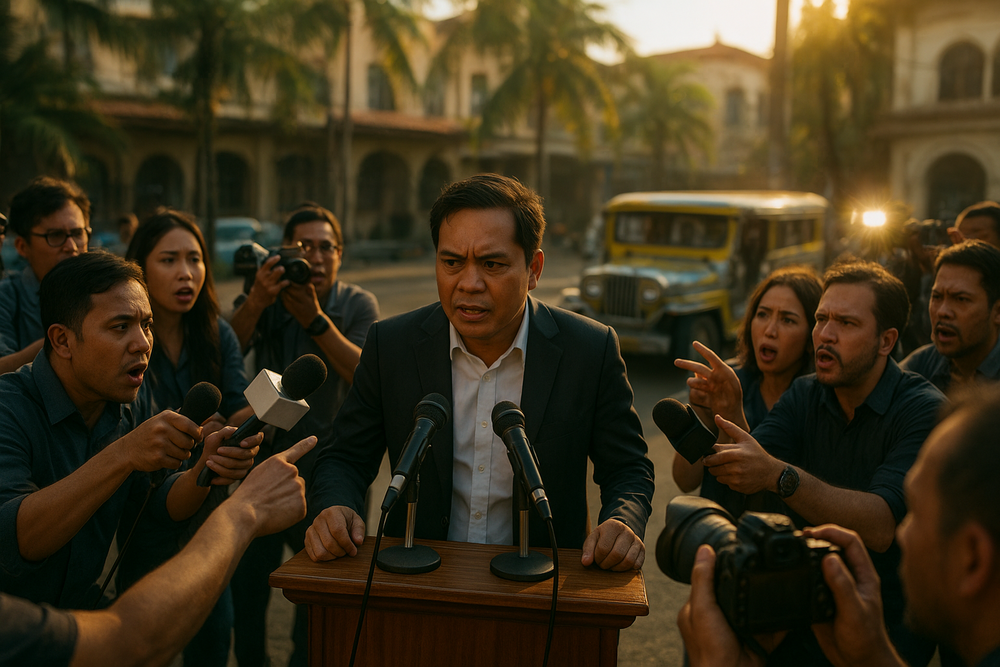
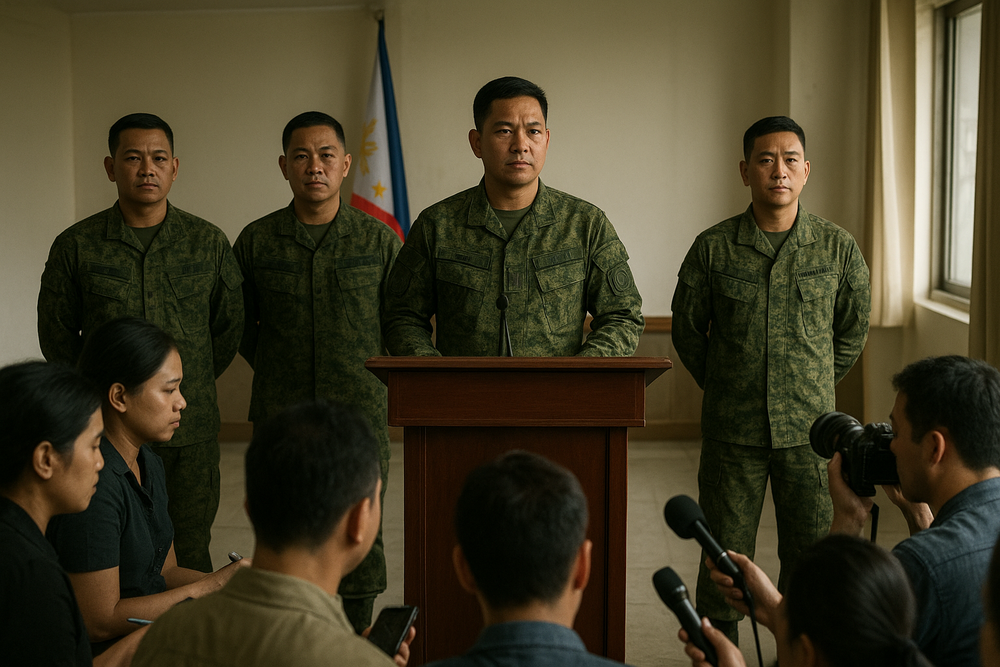
In a statement, Colonel Louie Dema-ala, Philippine Army spokesperson, confirmed the relief order and emphasized adherence to military discipline and chain of command. Major General Michael Logico, head of the Training Command, underscored the Army’s “professional and steadfast” commitment to the Constitution and the military hierarchy. He further noted efforts to reach Mongao during his New Year’s break for “emotional support,” which have so far been unsuccessful.
“While officers may hold private views, public declarations withdrawing support for the Commander-in-Chief undermine the chain of command and military cohesion,” military officials stated, portraying the investigation as a necessary process of due diligence rather than mere reprisal.
Retired Military Officers Express Solidarity
Contrasting the active military’s stance, the United People’s Initiative (UPI), a group of retired officers critical of the Marcos administration, voiced strong support for Mongao. Retired Air Force Major General Romeo Poquiz, convenor of UPI and recently arrested on sedition charges, hailed Mongao for choosing “conscience over convenience, honor over silence, country over power.”
UPI characterized Colonel Mongao’s words as an act of fidelity to the Constitution rather than rebellion, restating that “The Armed Forces serve the PEOPLE, not personalities.” The group linked Mongao’s dissent to broader efforts by retired generals in September 2025 to encourage active military leaders to distance themselves from the President amid corruption allegations involving flood control and infrastructure funds.
Historical Context: Military Discontent Brewing Since 2025
Internal discussions among retired generals began in September 2025 when UPI members, led by Poquiz and other retired officers, convened with Armed Forces Chief General Romeo Brawner Jr. at Camp Aguinaldo. They urged active commanders to distance themselves from President Marcos due to alleged fund misappropriation. Brawner rejected these calls, reaffirming the military’s loyalty to the Constitution.
Since then, tensions have simmered within the ranks. The January 9 incident involving Mongao reflects this unresolved disquiet over governance and accountability, which now crisply confronts the Philippine Army’s commitment to discipline.
Legal Stakes and Institutional Implications
The investigation into Colonel Mongao’s actions carries significant legal weight. If found guilty of violating Article 96, he faces dismissal from service. The military justice process will also scrutinize whether Mongao personally authored the social media message or if it was fabricated—a critical factor that remains unsettled as of this writing.
At the same time, Mongao’s relief signals to active-duty officers and enlisted personnel the stringent boundaries governing expressions of dissent within the armed forces—particularly regarding statements that publicly challenge the Commander-in-Chief.
Broader Impact on Civil-Military Relations and Public Confidence
The episode paints a complex picture for the Filipino public. On one hand, military leadership’s swift action may reassure citizens that the armed forces remain disciplined and loyal to constitutional order. On the other, the sidelining of a decorated officer questioning presidential leadership risks eroding public trust in the military’s independence as a check on corruption.
Moreover, the incident echoes beyond Manila, affecting provinces where military presence and public skepticism about infrastructure projects are high. It raises concerns about whether officers and enlisted ranks feel constrained from raising institutional grievances openly without fear of reprisal.
Emerging Divides Within the Military
The dichotomy between active command structures and retired officers loyal to UPI reveals an ideological and generational fissure within the military establishment. The arrest of Major General Poquiz on sedition charges only amplifies the tension, signaling heightened sensitivity from the administration toward manifestations of military dissent.
Meanwhile, the Army’s offering of “emotional support” to Mongao, despite his relief, hints at internal discomfort with the severity of the disciplinary actions, suggesting that the institution grapples with the balance between enforcing discipline and preserving camaraderie among its personnel.
Looking Ahead: Awaiting Further Developments
Colonel Mongao remains unreachable, even as inquiries advance. The Philippine Army has yet to specify a timeline for concluding its investigation or the outcomes of potential charges. Meanwhile, unanswered questions loom large: the exact timing and motivations behind Mongao’s public statement, the extent of institutional sympathy within the ranks, and the broader consequences for military morale and political stability.
As the Philippine Army maneuvers to reaffirm discipline amidst wavering support, the unfolding events assert a vital truth: loyalty within the military is being contested not merely in command rooms, but also in the court of public opinion where questions about leadership and accountability resonate deeply.