The Philippine Atmospheric, Geophysical and Astronomical Services Administration (PAGASA) has issued a strong warning of heavy rains expected to batter the Eastern Visayas, Bicol Region, and parts of Southern Luzon on January 5, 2026. This severe weather episode results from the interaction of a shear line with the ongoing Northeast Monsoon (amihan), prompting precautionary measures including class suspensions in Biliran, Camarines Sur, and Leyte.
Shear Line and Amihan Converge to Bring Heavy Downpours
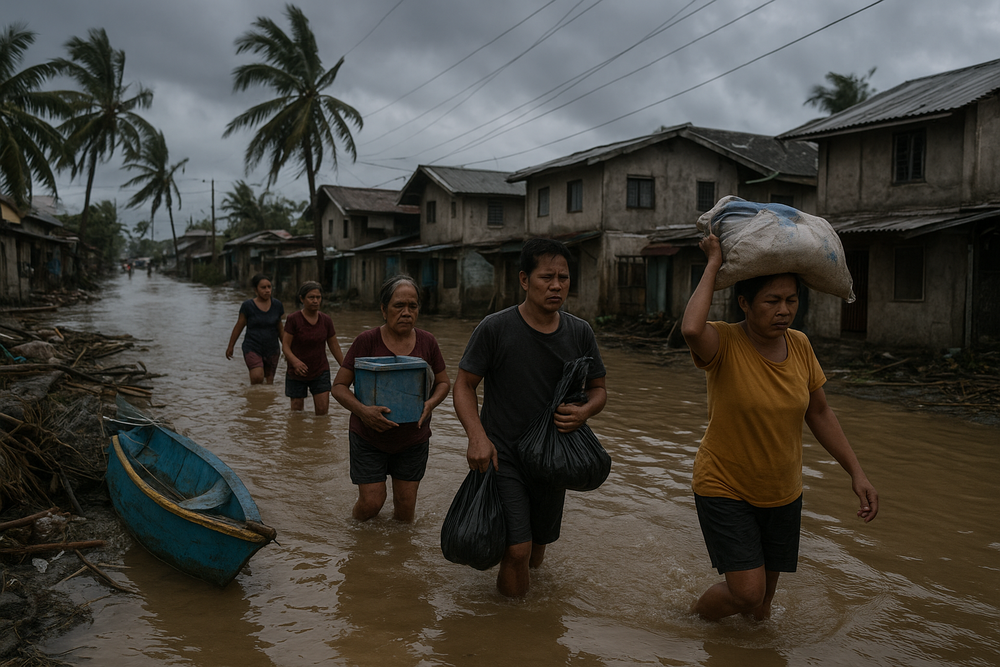
PAGASA forecasts that the combination of the shear line and the amihan will unleash 50 to 100 millimeters of rainfall over the Bicol provinces and Eastern Visayas. This moisture-laden system is expected to create volatile conditions marked by flash floods and landslides, particularly in topographically vulnerable areas. Despite the severity of these rains, no tropical cyclones or low-pressure systems currently pose a threat within Philippine territory, according to official bulletins.
Regions on Alert: Rainfall, Suspended Classes, and Risks
The brunt of the heavy rainfall will primarily impact provinces in the Bicol Region—including Albay, Sorsogon, Catanduanes, Camarines Norte, and Camarines Sur—as well as the Eastern Visayas provinces. Additional scattered rains and thunderstorms are projected in Quezon, Oriental Mindoro, Marinduque, Romblon, and parts of Mindanao due to easterly winds. In response to these conditions, local government units have ordered the suspension of classes in Biliran, Camarines Sur, and Leyte, prioritizing student safety amid anticipated hazards.
Further complicating mobility, gale warnings have been issued for coastal communities in Aurora, Quezon, Catanduanes, Albay, and parts of Samar. Fisherfolk are advised to avoid venturing out to sea, while residents in flood- and landslide-prone areas should remain vigilant.
Preparing for Disruptions: Transportation, Livelihoods, and Daily Life
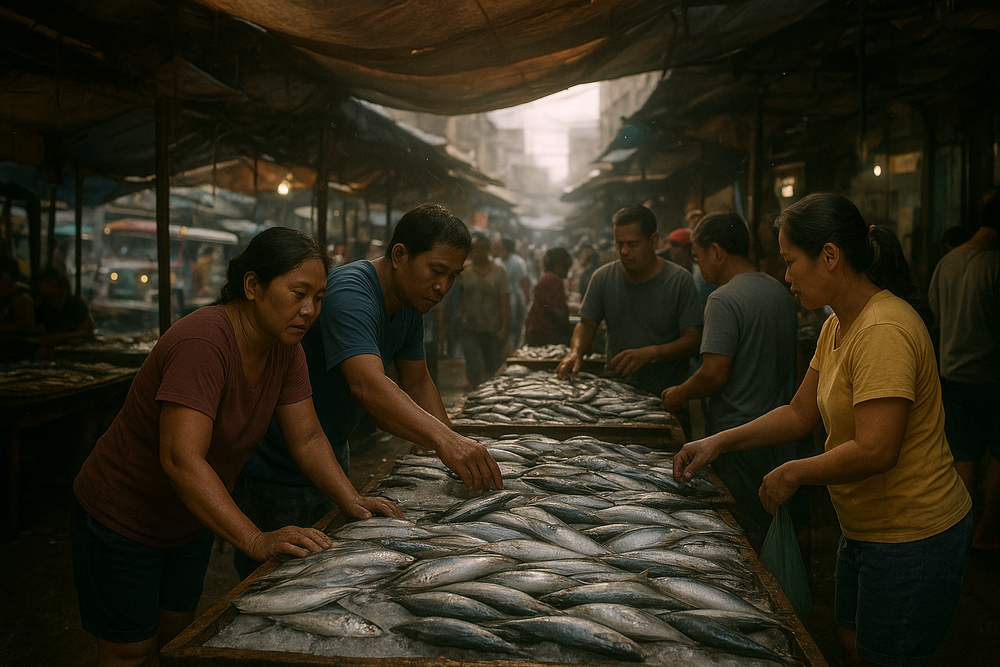
The forecasted heavy rains threaten to unsettle multiple facets of daily life and the regional economy. Coastal and inter-island transport may face interruptions, with smaller fishing vessels particularly vulnerable to rough seas and gale conditions. This disruption threatens local supply chains and could trigger price increases for fish and agricultural products, at a time when crops in Bicol and Visayas are especially susceptible to rain-induced damage.
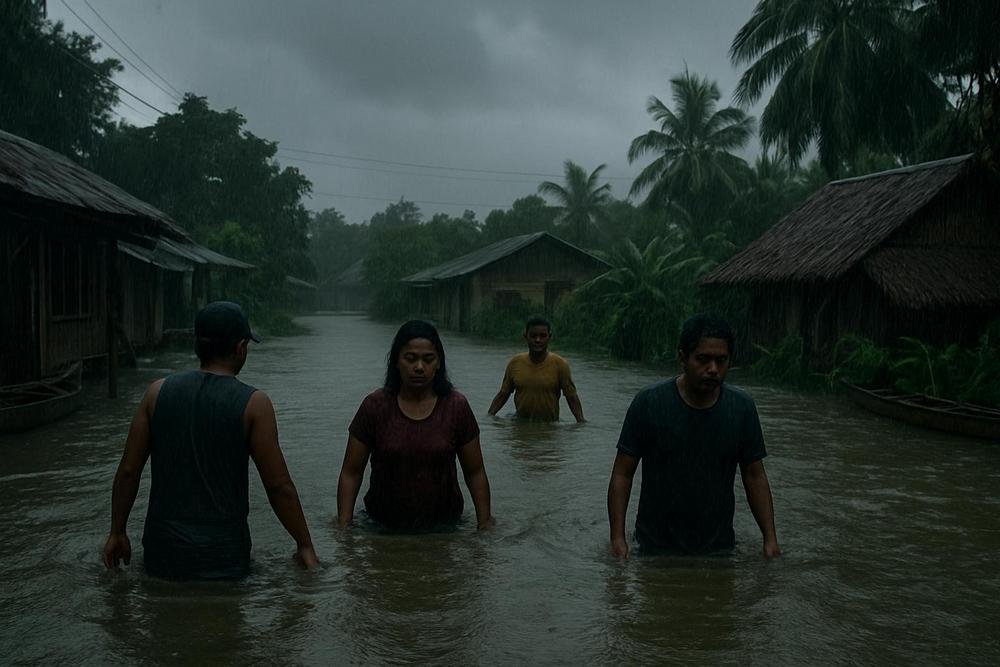
Residents in low-lying communities confront heightened flood risks, with the accompanying dangers of water contamination and impaired access to medical services. Prolonged wet conditions additionally raise concerns about potential outbreaks of water-borne diseases and respiratory ailments. Families are urged to secure essential supplies of food and water while remaining attuned to further advisories.
Expert Advice: PAGASA’s Warning and Government Response
Grace Castañeda, a PAGASA weather expert, explained the meteorological drivers of the weather pattern: “This is due to the potential shift of the shear line axis higher tomorrow, or the possibility of the denser cloud mass it brings becoming more focused over the southern part of the Bicol Region.” She underscored the importance of preparedness and continuous monitoring.
PAGASA’s official advisory calls on residents to remain alert for flash floods and landslides, especially during moderate to heavy rainfall. The agency urges communities in vulnerable locations to adhere strictly to safety protocols and evacuation orders where necessary.
Broader Impact and Ongoing Outlook
Looking ahead, the shear line is expected to persist through at least January 9, sustaining scattered rains and thunderstorms in Visayas, Bicol, and MIMAROPA regions. Meanwhile, the Northeast Monsoon will continue to influence weather conditions in northern and eastern Luzon.
Emergency services including the Philippine National Police and Bureau of Fire Protection remain on standby to respond to incidents arising from flooding or landslides. Local government units across affected provinces continue coordinating with the Department of Education and disaster risk agencies to ensure public safety.
Coastal and Temperature Conditions
- Coastal waters in the eastern Philippines will experience moderate to rough sea conditions, with wave heights between 2.1 to 3.7 meters.
- Temperature forecasts for January 5 anticipate mild to warm weather: Metro Manila 23-31°C, Baguio City 15-23°C, and Davao City 25-33°C.
Public Advisory: Staying Safe Amid Unstable Weather
Authorities encourage residents in flood- and landslide-prone areas to consistently monitor updates from PAGASA and local officials. Timely observance of official warnings and adherence to recommended precautions can mitigate risks to life and property.
As nature’s shifting forces converge over the archipelago, the nation is reminded of the delicate balance between weather’s power and community resilience. Staying informed and prepared remains the best defense against the challenges posed by the coming days’ heavy rains.