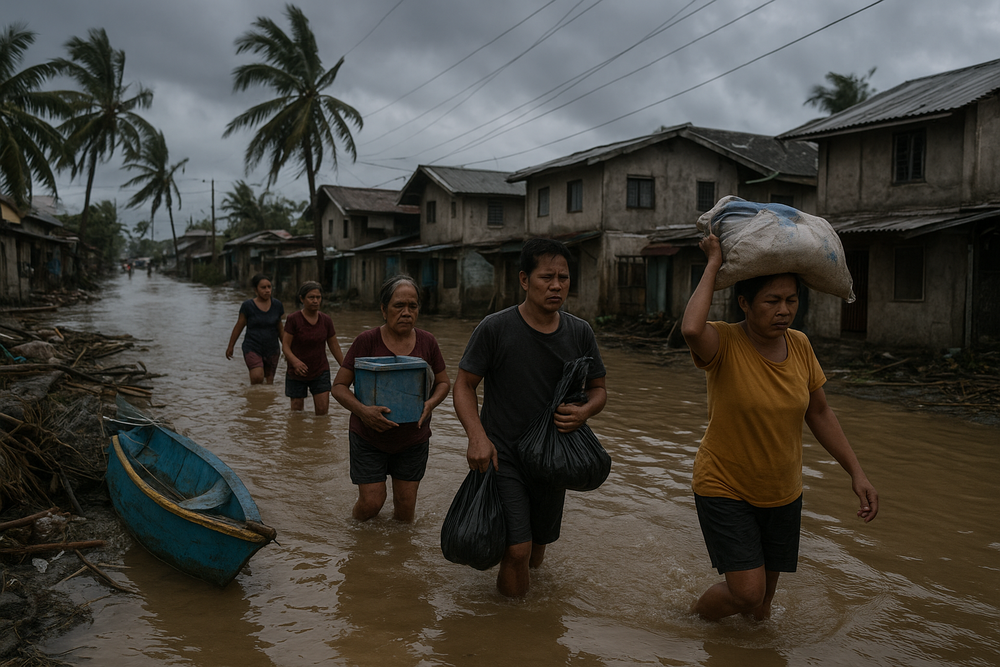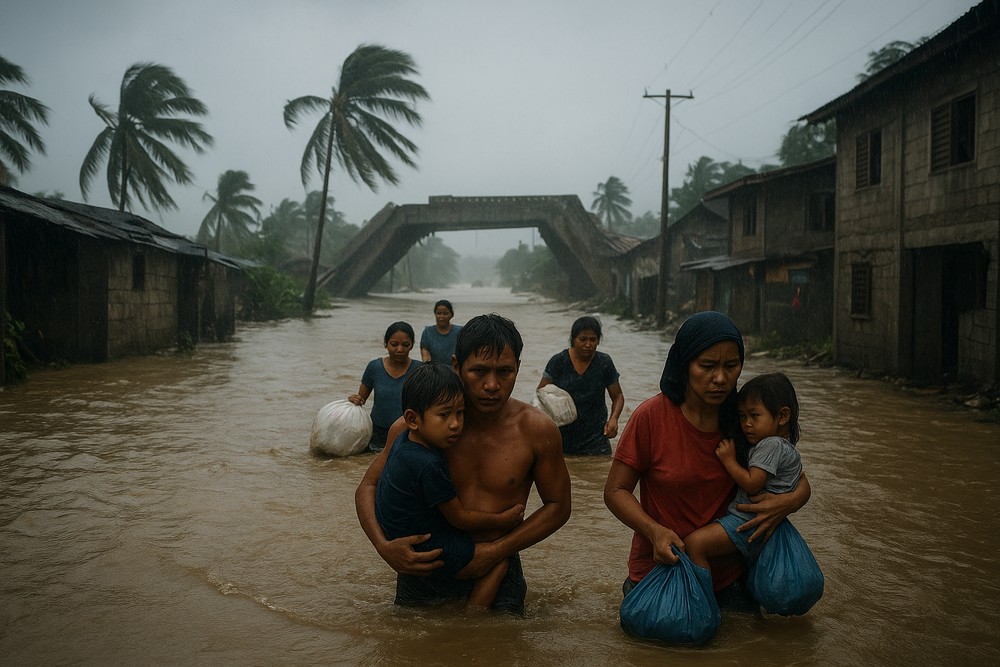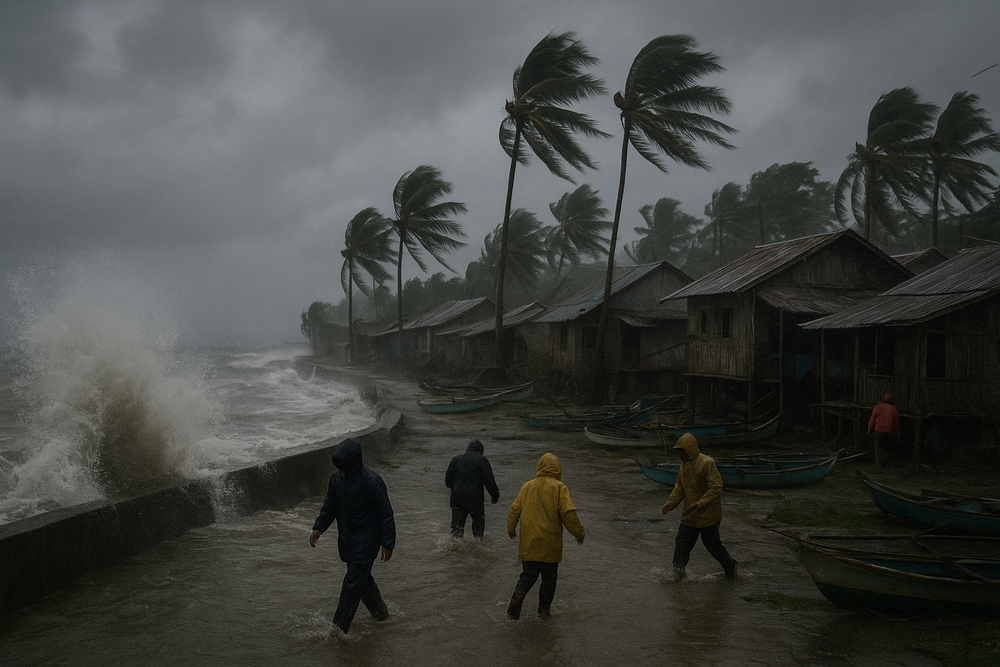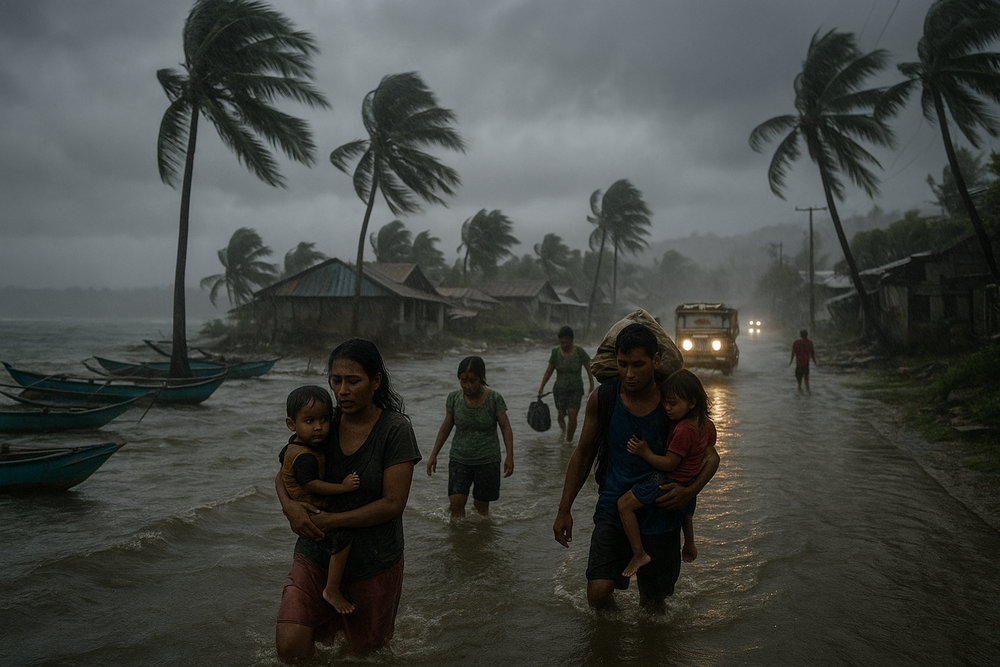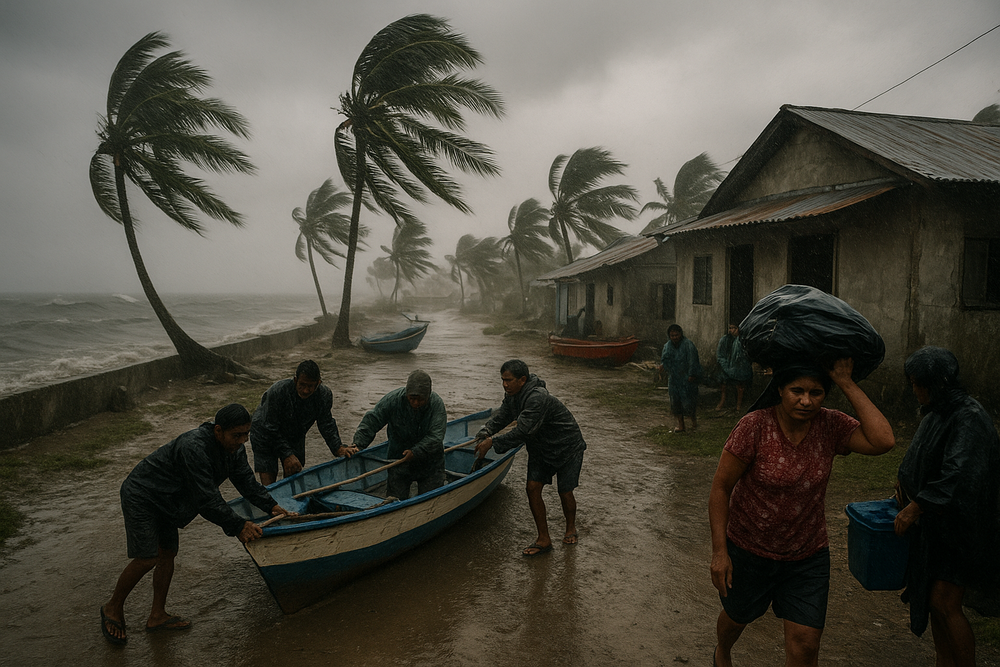
The Philippine Atmospheric, Geophysical and Astronomical Services Administration (PAGASA) has unveiled its official roster of tropical cyclone names for the 2026 Pacific typhoon season, notably introducing the name Kiyapo to replace a retired moniker from last year’s devastating storms. As Metro Manila grapples with one of its worst air quality episodes in recent memory, attributed to New Year’s celebratory fireworks, the persistent Northeast Monsoon continues to deliver steady rains across parts of Luzon. These concurrent environmental events frame the complex start to 2026, underscoring concerns about climate impacts and public health.
PAGASA Introduces Kiyapo and Other Names for 2026 Storm Season
In a public announcement released on January 1, 2026, PAGASA disclosed its list of 25 tropical cyclone names designated for the upcoming year. The bureau emphasized the introduction of Kiyapo, alongside Ada, Francisco, and Pilandok, each serving as replacements for typhoon names retired following the catastrophic 2022 season.
According to PAGASA regulations, cyclone names are retired if the storms they represent cause either at least 300 fatalities or damage exceeding one billion Philippine pesos in infrastructure, housing, and agriculture. The retired names include Agaton, Florita, Karding, and Paeng, which register among the deadliest and costliest typhoons in recent history.
The complete primary list for 2026 is as follows:
- Ada
- Basyang
- Caloy
- Domeng
- Ester
- Francisco
- Gardo
- Henry
- Inday
- Josie
- Kiyapo
- Luis
- Maymay
- Neneng
- Obet
- Pilandok
- Queenie
- Rosal
- Samuel
- Tomas
- Umberto
- Venus
- Waldo
- Yayang
- Zeny
PAGASA forecasts at least eight tropical cyclones to develop during the first half of 2026, averaging about one per month from January to April, with one to two systems expected in May and June.
New Year’s Fireworks Drive Metro Manila Air Quality to “Acutely Unhealthy” Levels
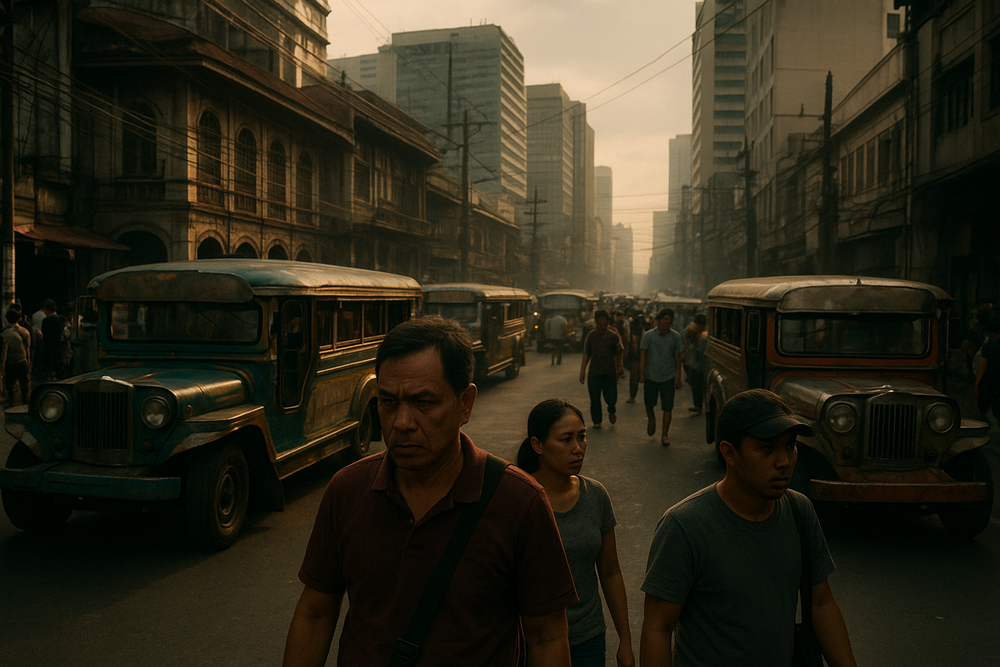
As the new year began, the National Capital Region struggled with serious air pollution, registering “acutely unhealthy” levels of PM2.5 particulate matter. At around 8 a.m. on January 1, key monitoring stations across Caloocan and Makati recorded an Air Quality Index (AQI) of 274, while Taguig reached 260, overtaking safe thresholds by a significant margin.
The AQI scale places PM2.5 readings between 201 and 300 in the “acutely unhealthy” category, signaling risk not only to sensitive populations—such as children, the elderly, and those with respiratory conditions—but also hazards to the general public during outdoor activities.
In contrast, other areas in Metro Manila, including Marikina, Muntinlupa, Parañaque, San Juan, and Valenzuela, experienced comparatively “good” air quality, with PM2.5 levels ranging from 21 to 32.
The Department of Health emphasized the health implications of smoke exposure during this period, stating, Smoke from fireworks poses a higher asthma risk to children and senior citizens.
The proliferation of particulate matter from New Year’s Eve celebrations has become a recurring public health challenge, particularly for daily wage earners and vulnerable groups who remain active outdoors amid the smog.
Northeast Monsoon Delivers Rain but Complicates Pollution Dispersal
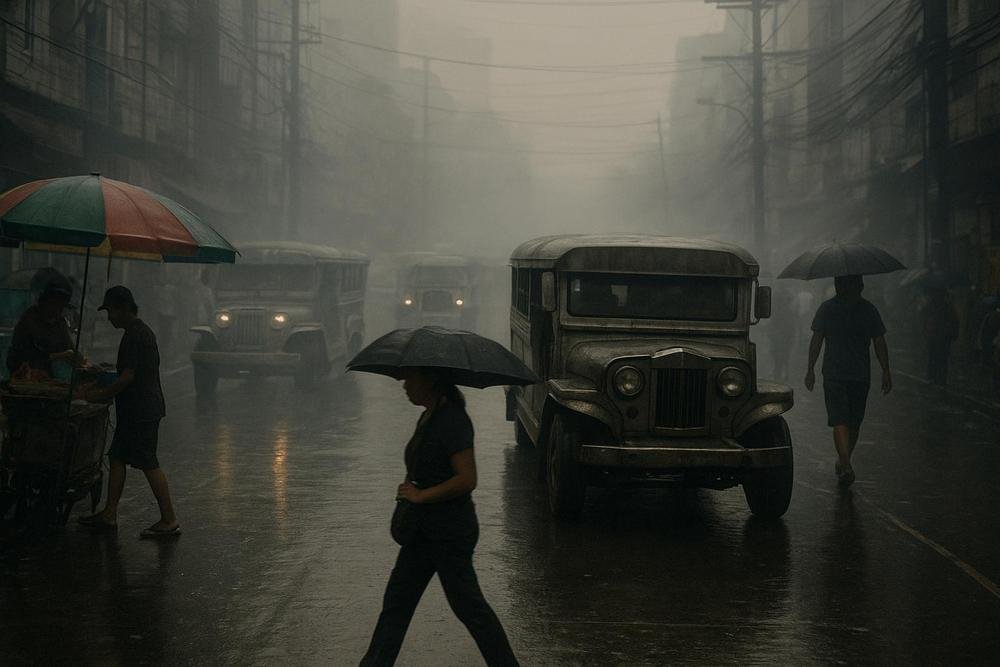
While Metro Manila contends with hazardous air quality, the Northeast Monsoon—or Amihan—continues to bring rains to eastern and northern parts of Luzon. These steady showers support agricultural activities but also inhibit the natural dispersal of accumulated pollution in urban areas.
The confluence of precipitation and smog forms a taxing environment for residents, where disrupted public transport, delayed school schedules, and respiratory health risks converge to heighten early-year challenges.
Preparing for the Storms Ahead: Lessons from 2022 Retirements
The inclusion of Kiyapo and other fresh names in the cyclone roster is symbolic of PAGASA’s commitment to learning and resilience. The devastating 2022 typhoon season prompted the retirement of four names—reflecting the immense human and economic toll of those storms.
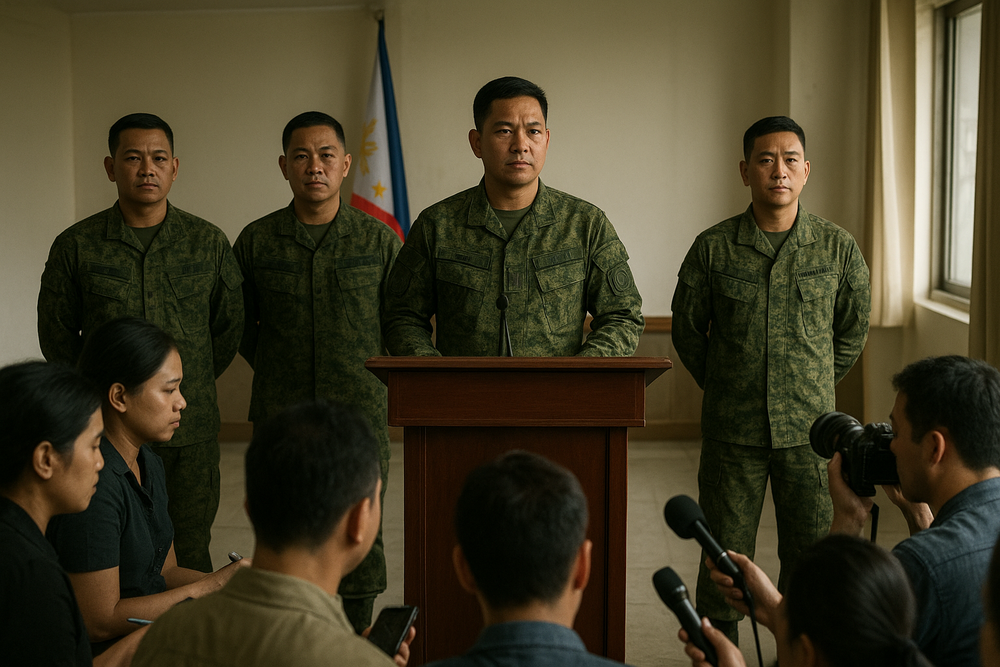
The Office of Civil Defense (OCD) reports that these storms collectively caused over 300 deaths and inflicted damages amounting to well over one billion pesos. The fresh naming list aims to streamline communication and preparedness efforts as the country braces for its regular encounter with tropical cyclones.
Public Health and Safety on the Frontlines
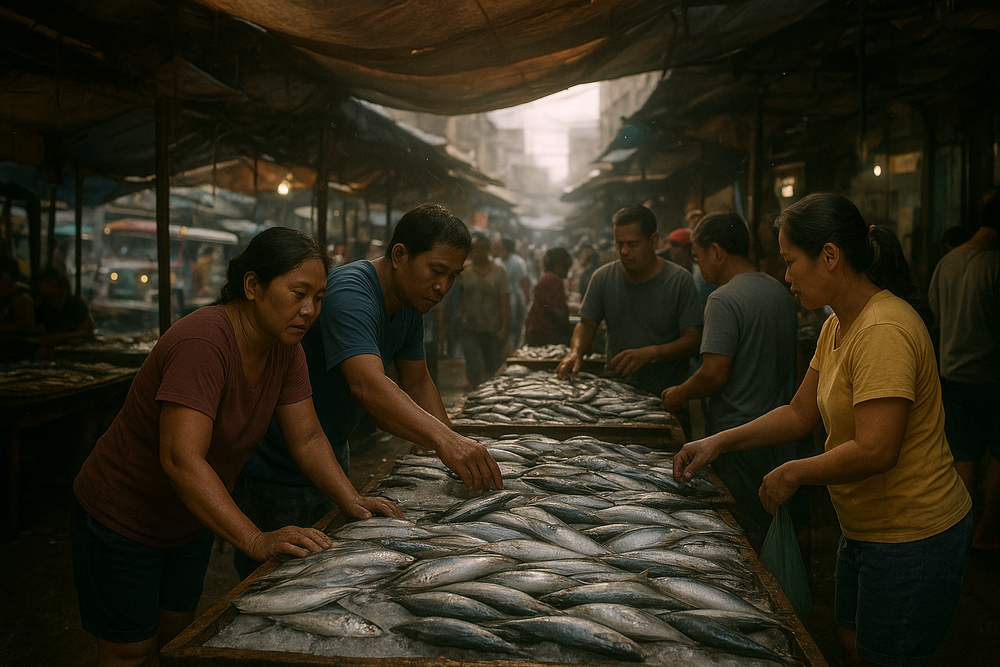
For Metro Manila’s masa—many of whom rely on public spaces and street-based occupations—the convergence of “acutely unhealthy” air and persistent rains represents a severe health and economic strain. Jeepney drivers, street vendors, and construction workers face respiratory hazards, often compelled to continue their daily routines despite warnings.
PAGASA’s careful forecasting and the Department of Health’s advisories form the backbone of efforts to mitigate these impacts, underscoring the ongoing imperative for coordinated government action and community awareness.
Looking Ahead
As 2026 unfolds, PAGASA’s cyclone name release marks more than administrative housekeeping; it signals a call for vigilance and preparedness. Meanwhile, Metro Manila’s struggle with post-festivity pollution serves as a stark reminder of the environmental and health costs embedded in cultural traditions. Together, these challenges paint a complex portrait of a nation at the nexus of natural forces and human activity.