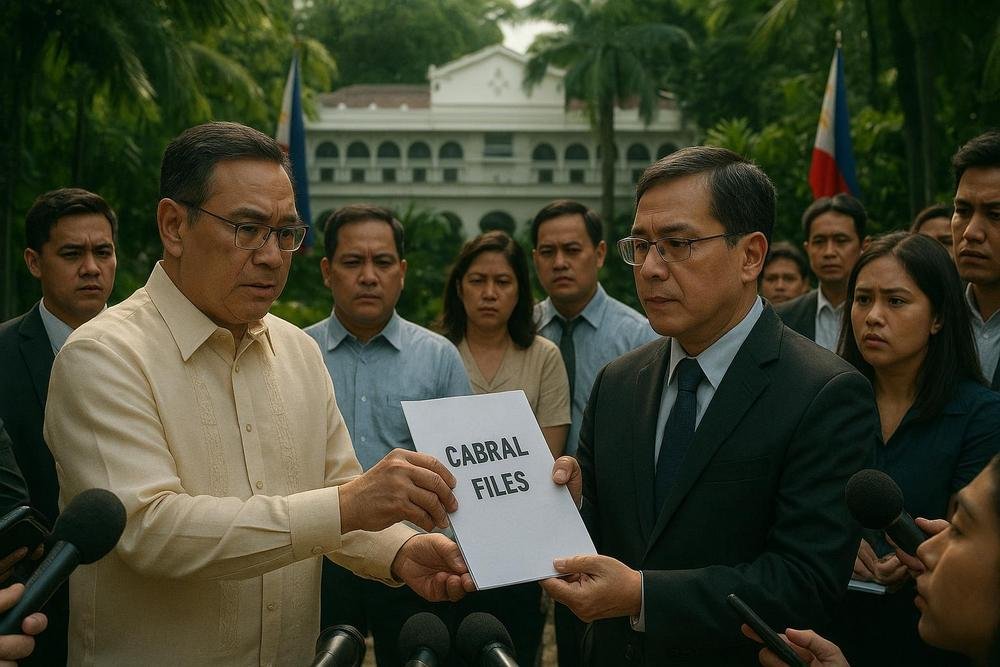
The persistent turmoil surrounding the “Cabral Files” took a decisive turn as Malacañang confirmed that the Office of the Ombudsman now holds jurisdiction over the authentication and investigation of the controversial documents. Leaked by Batangas Representative Leandro Leviste, the files allege systemic corruption in flood control projects, a claim that Department of Public Works and Highways (DPWH) Secretary Vince Dizon continues to dismiss as malicious and unsubstantiated.
Ombudsman Takes Custody of Explosive Corruption Evidence
On the back of mounting public scrutiny, the Palace acknowledged the transfer of the so-called Cabral Files—a voluminous portfolio purporting to reveal graft and irregularities in multi-billion peso flood control initiatives—to the Office of the Ombudsman. The files, reportedly shared by the late DPWH Undersecretary Maria Catalina Cabral and made public by Rep. Leviste, contain alleged budget allocations exceeding PHP 3.5 trillion earmarked for flood control projects between 2023 and 2026.
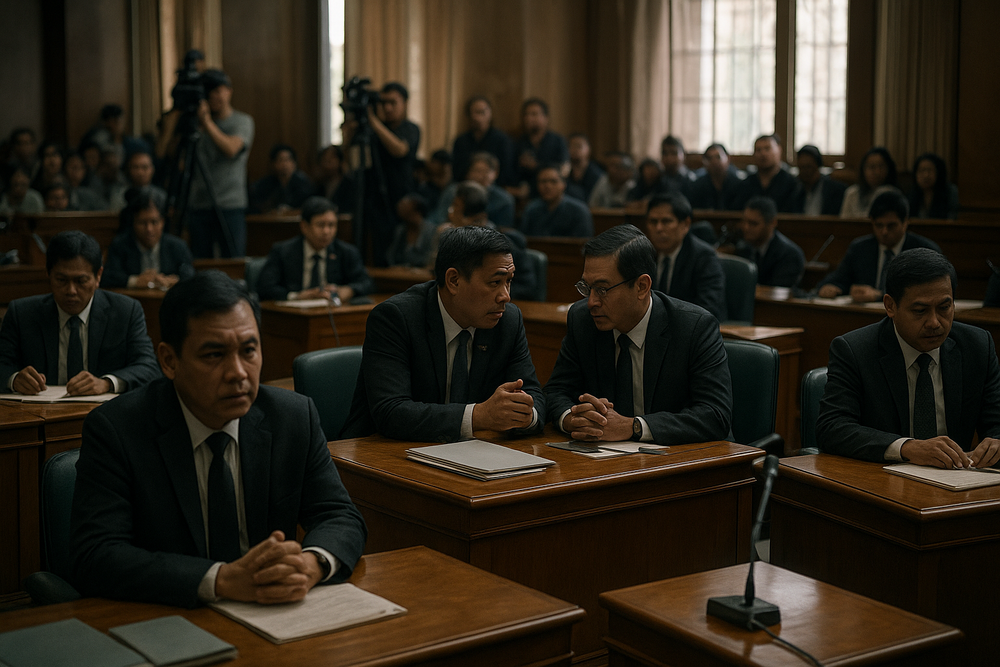
The handover marks a critical phase in unraveling what is widely regarded as the largest corruption scandal shadowing President Ferdinand “Bongbong” Marcos Jr.’s administration. The Ombudsman, newly led by Jesus Crispin Remulla, now shoulders the responsibility of authenticating the documents and spearheading investigations into claims of ghost projects, subpar construction work, and a complex web of kickbacks implicating top government officials.
Allegations of Corruption Stir High-Level Investigations
The controversy springs from revelations that a disproportionate 20 percent (approximately PHP 100 billion) of the flood control budget since mid-2022 was funneled to only 15 contractors—raising alarm bells about possible cartel-like practices and favoritism. President Marcos underscored this troubling concentration of funds during a press briefing last August, calling for stringent scrutiny.
Two significant batches of charges have already been filed against DPWH officials and contractors for alleged malversation and document falsification in projects worth hundreds of millions. Cases target controversial flood control projects such as the MagAsaw Tubig initiative in Oriental Mindoro and a PHP 96.5 million project in Davao Occidental, with implicated individuals including former DPWH Executive Zaldy Co and contractor Sarah Discaya.
A Web of Allegations: From Kickbacks to Ghost Projects
Intrigue deepened after Co’s explosive claim that Speaker Martin Romualdez and President Marcos themselves had received billions in kickbacks from flood control funds—an assertion prompting the DPWH to recommend plunder and graft charges against Romualdez and 86 other figures by mid-December.
These allegations coincide with the creation of the Independent Commission for Infrastructure (ICI), established by Executive Order 94 in September 2025 to audit flood control projects with suspect contractors. As of November, the ICI has prioritized reviews of 80 flagged projects.
Conflicting Claims Cloud Authentication of the Files
The authenticity of the Cabral Files remains hotly contested. Malacañang, through Undersecretary Claire Castro, challenged their provenance, dismissing the documents as hearsay unless formally sourced from DPWH. “It is nothing but hearsay and can be treated as mere fabricated documents,” she said, emphasizing the legal burden of proof rests on Rep. Leviste.
Conversely, Leviste asserts that he obtained the files with authorization from Cabral following a phone conversation involving Secretary Dizon. He insists that Dizon consented to public dissemination and that the files were already submitted to both the ICI and Ombudsman last November—weeks before Cabral’s untimely death in December.
Political and Legal Ramifications Intensify
While President Marcos maintains the need to balance rigorous accountability with due process—asserting, “we know many of these individuals are not innocent but if we’re going to take them to court, you must have a robust case”—the specter of unauthorized document leaks sparks concerns among governance watchdogs.
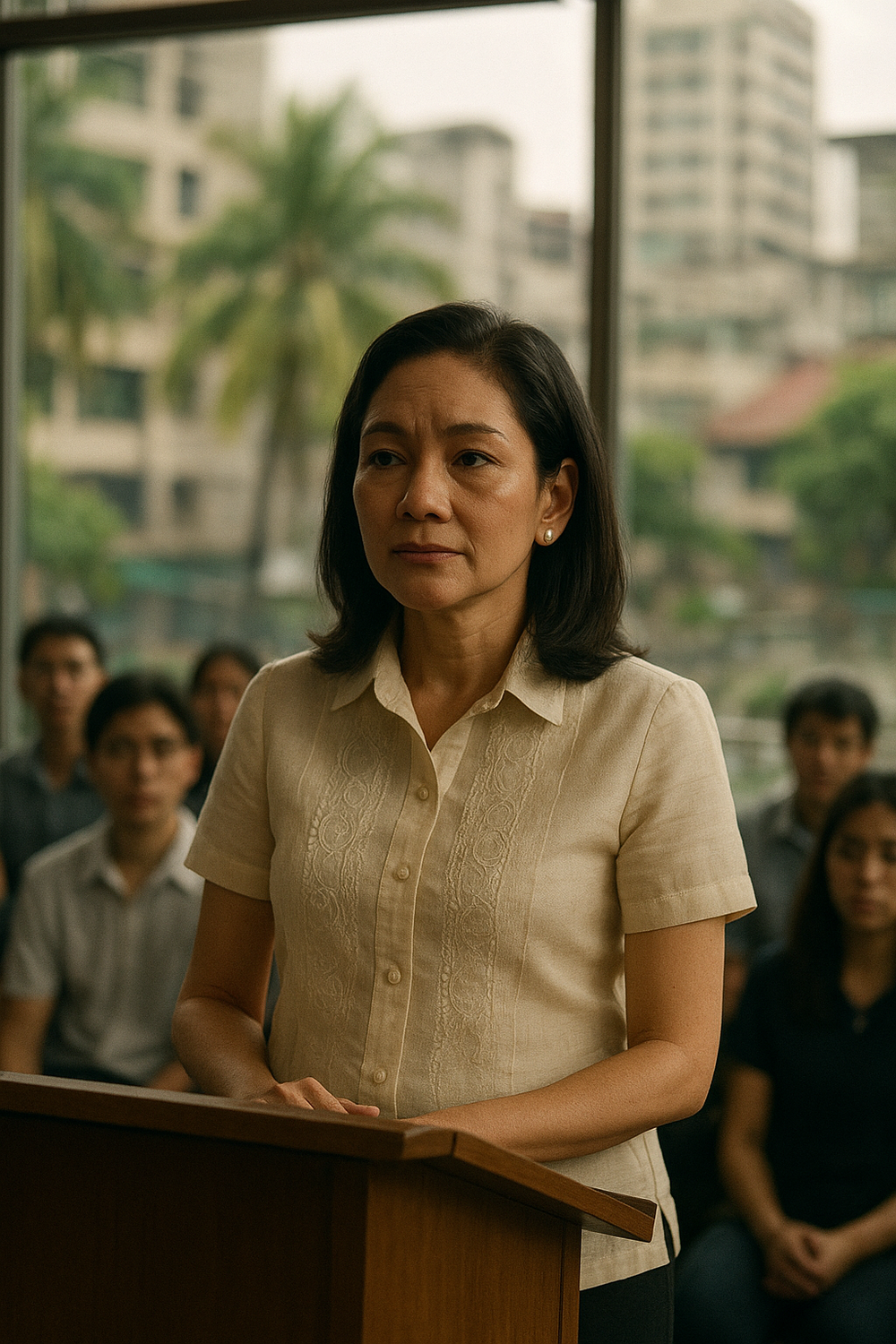
Prominent critic Rep. Terry Ridon has called on Leviste to clarify how the files were obtained and questions the legality of their acquisition without official DPWH consent. “A red line is crossed when government records are obtained without official authority,” Ridon warned, highlighting the tension between transparency and procedural propriety.
Societal Impact: Risk to Lives and Public Trust
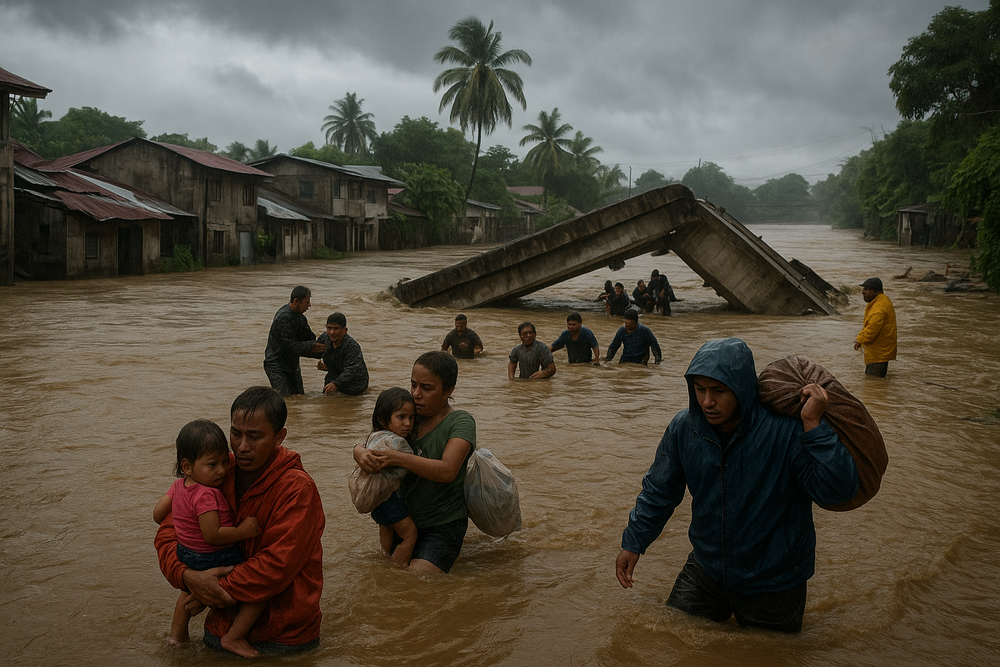
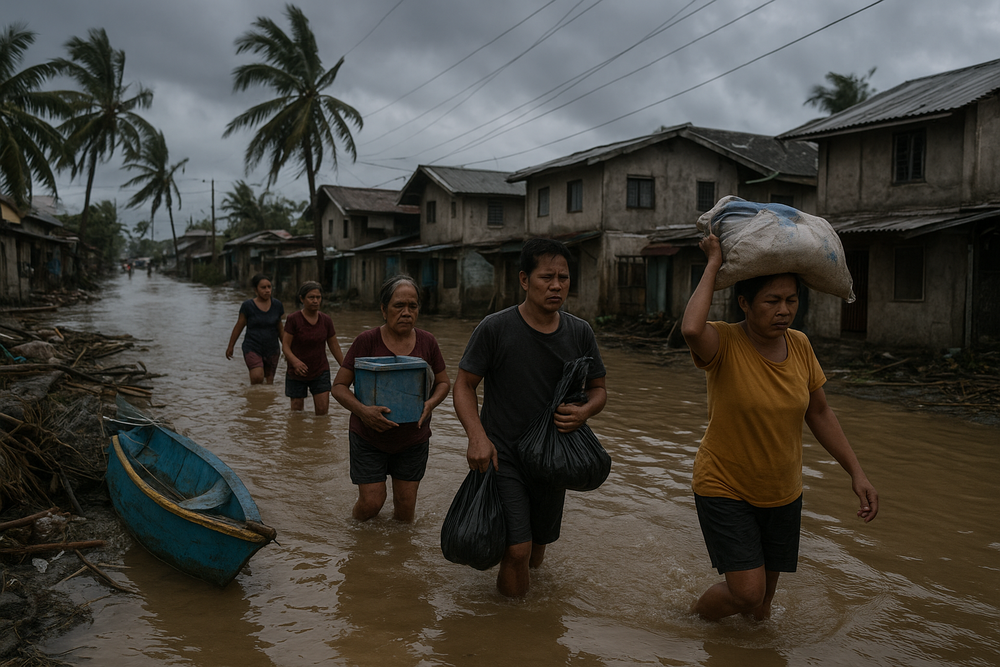
Beyond bureaucratic infighting, the implications of these allegations resonate profoundly with millions of Filipinos in flood-prone areas like Bulacan, Oriental Mindoro, and Davao Occidental. Substandard and ghost flood control projects imperil countless communities, undermining safety and exacerbating vulnerabilities to natural disasters.
The diversion of massive funds to a handful of contractors reduces employment opportunities for qualified local firms and jeopardizes the integrity of infrastructure critical to agriculture, public health, and disaster resilience. Flooding’s knock-on effects inflate health risks related to waterborne diseases and impose additional financial burdens on local governments forced to channel emergency funds towards inadequate infrastructure crises.
Ombudsman Signals Commitment to Thorough Investigation
Ombudsman Remulla has mobilized prosecutors in collaboration with the Department of Justice, National Bureau of Investigation, and Anti-Money Laundering Council to aggressively pursue cases and track financial trails linked to the scandal. He has indicated plans to file upwards of fifteen cases related to flood control corruption before year-end, signaling an escalation from inquiry to litigation.
As custodians of the Cabral Files, the Ombudsman’s office now holds the key to validating the controversial documents and determining the veracity of the explosive allegations they contain. This pivotal role places it at the fulcrum of the government’s efforts to restore public trust and uphold accountability.
Road Ahead: Unanswered Questions and Public Vigilance
- Will the Ombudsman publicly authenticate the Cabral Files and outline subsequent actions?
- How will Secretary Dizon respond to persistent claims of authorization over the release of these documents?
- What are the outcomes of the ethics complaints and the unfolding multi-agency investigations into flood control projects?
- Could the alleged involvement of high-ranking officials in kickback schemes lead to significant political fallout?
- Will further clarity emerge regarding the suspicious circumstances of Undersecretary Cabral’s death?
As these complex questions remain unresolved, Filipinos across the nation watch closely—aware that at stake are not only billions in public funds but the very integrity of the institutions tasked with safeguarding their welfare and future.