Filipinos faced a stinging end to 2025 as oil companies raised the prices of diesel and kerosene by ₱0.60 per liter starting at 6 a.m. on December 30. This latest increase, which comes on the heels of recent price cuts just a week earlier, adds fresh fuel to ongoing inflationary pressures that have weighed heavily on households nationwide throughout the year.
Diesel and Kerosene Prices Reverse Recent Declines
Several major oil firms, including Petron, Seaoil Philippines, Jetti Petroleum, Chevron Philippines, Shell Pilipinas, Petro Gazz, Caltex, and Cleanfuel, implemented the diesel and kerosene price hike, with Cleanfuel’s adjustment delayed until 4:01 p.m. of the same day. Notably, gasoline prices remained unchanged during this round of adjustments.
This increase contrasts sharply with the December 23 reductions, when gasoline prices dropped by ₱0.80 per liter, diesel by ₱1.30, and kerosene by ₱1.60. The rapid reversal has eroded any temporary relief gained in the final week of the year.
Geopolitical Tensions and Market Dynamics Drive Price Surge
According to the Department of Energy (DOE) Oil Industry Management Bureau, global factors continue to exert significant influence on local fuel prices. DOE Director Rodela Romero highlighted the interplay of “global oversupply from non-OPEC economies such as the United States, weakening demand as holiday travel winds down, and continued uncertainty surrounding tensions in Venezuela, Ukraine, and Russia.”
Jetti Petroleum President Leo Bellas provided further insight, stating, “The adjustments reflect the fluctuations in the prices of refined fuel products, transportation costs, and market premiums in the international arena.” He underscored the risks posed by “tougher U.S. sanctions enforcement on Venezuela and intensified attacks by Ukraine on Russian oil infrastructure,” which “have raised the risk of supply disruptions.” Bellas added concerns about potential stricter sanctions on Russia should peace talks fail, signaling added volatility ahead.
Impact on Transport and Rural Communities
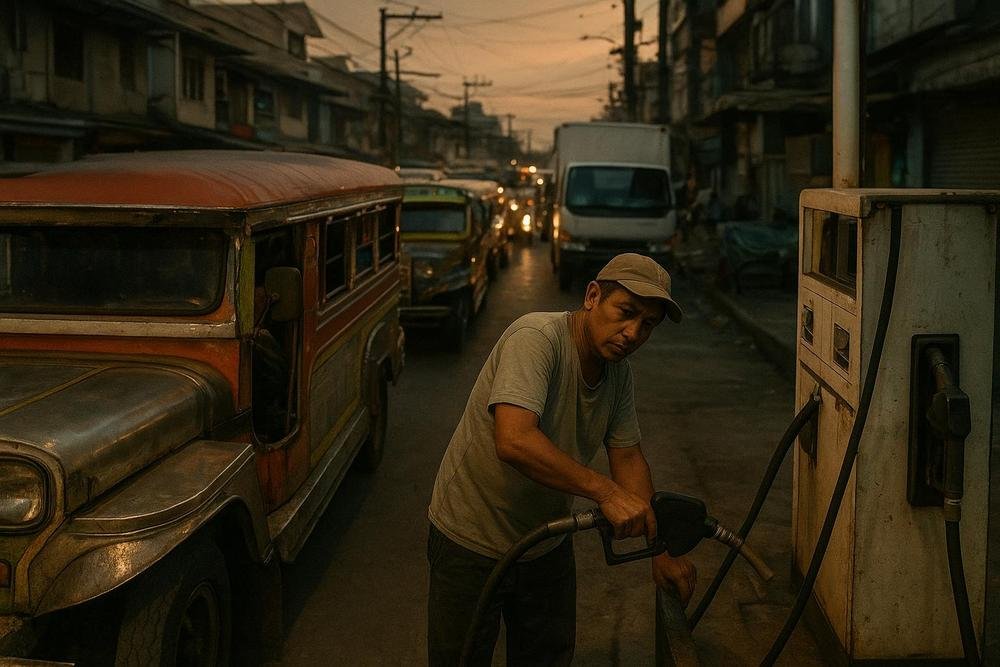
The hike disproportionately burdens transport sectors reliant on diesel, including public utility vehicles (PUVs), jeepneys, cargo trucks, and fishing boats operating across the archipelago. Experts anticipate upward pressure on fares in Metro Manila—where jeepney minimum rates could jump from ₱13 to ₱15 or more—as operators grapple with rising fuel costs amid limited fare adjustment mechanisms.
Kerosene price increases deeply affect rural households and fishing communities where off-grid lighting and cooking commonly depend on this fuel. The additional expense strains low-income families’ budgets, particularly as many have already exhausted Christmas bonuses. Higher diesel costs ripple through the supply chain, elevating prices of daily essentials such as rice and vegetables in local markets.
Year-to-Date Fuel Price Inflation Surpasses ₱20 Per Liter
While exact cumulative figures from government institutions remain pending, industry tracking suggests that diesel and kerosene prices have climbed by more than ₱20 per liter since the beginning of 2025. This steep escalation compounds the inflationary pressures that continue to dominate public concern as Filipinos enter 2026.
Government Monitoring Amid Continued Volatility
The Philippine government, through the DOE, maintains a watchful stance but largely attributes price movements to factors beyond its immediate control. The industry remains regulated under the Downstream Oil Industry Deregulation Act of 1998, which allows market-driven pricing subject to DOE oversight. As such, authorities anticipate persistent fluctuations influenced by unpredictable geopolitical developments and changing global supply-demand balances.
Outlook: An Inflationary Sting Heading into 2026
The December 30 price hikes close 2025 on a challenging note for Filipino consumers and businesses alike. The tug-of-war between fleeting price respite and swift market-driven increases paints a picture of enduring volatility. For many, the pump price is not merely a number but a barometer of wider economic strain, affecting daily commutes, household expenses, and the cost of goods that sustain livelihoods across the nation.