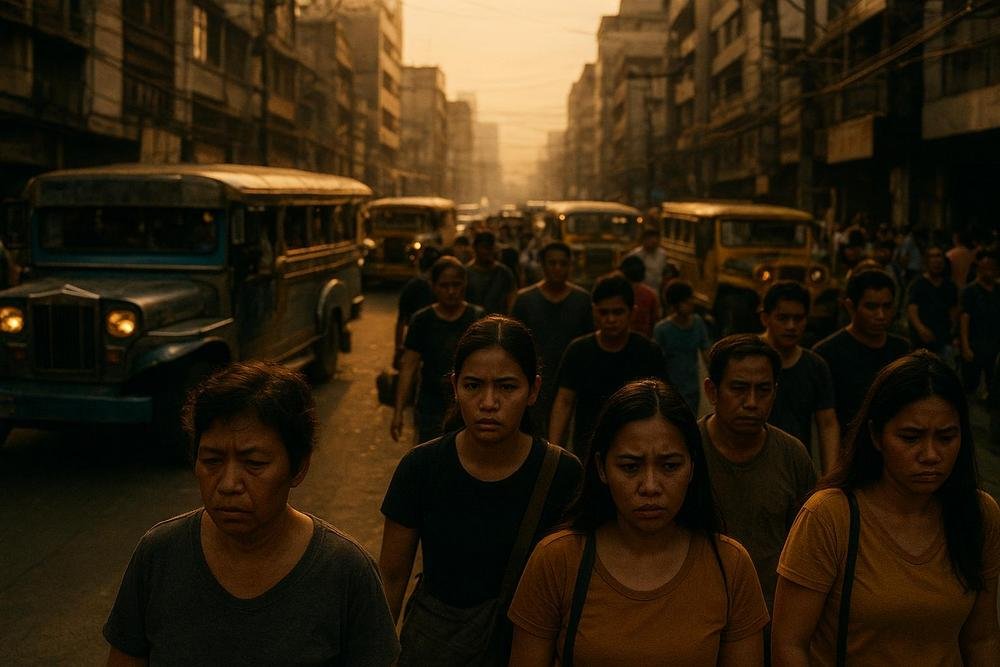
Public trust in the Philippines’ top leadership has shown signs of strain, as recent surveys reveal a notable decline in confidence toward both President Ferdinand Marcos Jr. and Vice President Sara Duterte. The latest Pulse Asia results show a complex and shifting landscape of approval, marked by mounting concerns over inflation and corruption—two persistent national anxieties driving a wedge within the once-solid “UniTeam” coalition.
Trust Ratings Dip Amid Dual Pressures of Corruption and Inflation
The December 2025 Pulse Asia Ulat ng Bayan survey reports a slight erosion in trust ratings for President Marcos and Vice President Duterte. Marcos’ trust rating fell to 32%, down from 34% in September 2025, accompanied by a pronounced 47% distrust. On the other hand, Vice President Duterte, while still holding a relative edge with a 54% trust rating, also saw a two-point dip from her previous 56%. These figures underscore growing public frustration driven chiefly by concerns over inflation and corruption—ranked as the first and second most pressing national issues by respondents.
Regional Divide Exposes Fractured Support Base
The survey’s regional breakdown reveals a stark geographic polarization in political support. President Marcos retains majority approval in rest of Luzon at 51%, sustaining his grip on the nation’s economic and political heartland. However, this contrasts sharply with his overwhelming disapproval in Mindanao, where a staggering 85% of respondents expressed dissatisfaction with his performance.
Vice President Duterte’s popularity, conversely, remains robust in Mindanao, reflected in a commanding 95% approval rating, and strong support in the Visayas at 68%. Yet her approval falters in Metro Manila (44%) and Luzon (35%), highlighting the complexity of political allegiances even within the ruling coalition.
Corruption and Inflation: The Wedge Driving Public Distrust
The twin challenges of unrelenting inflation and perceived corruption underpin the erosion of trust. Pulse Asia’s survey identifies inflation control as the top public concern, followed closely by graft and corruption. Everyday Filipinos grapple with rising costs in basic commodities and transportation, which directly affect purchasing power and quality of life.
Corruption scandals, including ongoing investigations into anomalies in flood control projects, further fuel skepticism toward the administration’s capacity to foster transparent governance. While the government insists that aggressive anti-corruption probes may cause temporary dips in popularity, critics warn that sustained public confidence will require more than investigations—it demands concrete outcomes.
Administration Responds to Survey with Focus on Continued Work
The Palace, through Press Officer Claire Castro, characterized the survey results as an important but non-defining barometer. Castro emphasized that despite the ratings, the President remains undeterred in his commitment to combating corruption, stating, “Alam ng Pangulo na maaapektuhan ang kanyang administrasyon pero tinuloy ang pagpapaimbestiga para sa bayan at para sa mamamayan.”
While Marcos seeks to weather this storm, the administration faces pressure to address inflation more effectively. Notably, the government only gained majority approval in the welfare of overseas Filipino workers, indicating other socio-economic areas remain fraught with public dissatisfaction.
Implications for the UniTeam Coalition
The widening gap in regional approval ratings signals potential fractures within the “UniTeam” coalition. Marcos’ collapse in Mindanao poses a unique challenge, given the region’s strategic importance in agriculture, remittances, and political balance.
Analysts suggest Mindanao’s stark disapproval could foreshadow weakening coalition cohesion, particularly as Duterte’s strong base there contrasts with Marcos’ dwindling support. Meanwhile, Luzon and Metro Manila remain battlegrounds where polarized opinions may test the coalition’s unity.
The Masa Perspective: Real-World Effects of Dissatisfaction
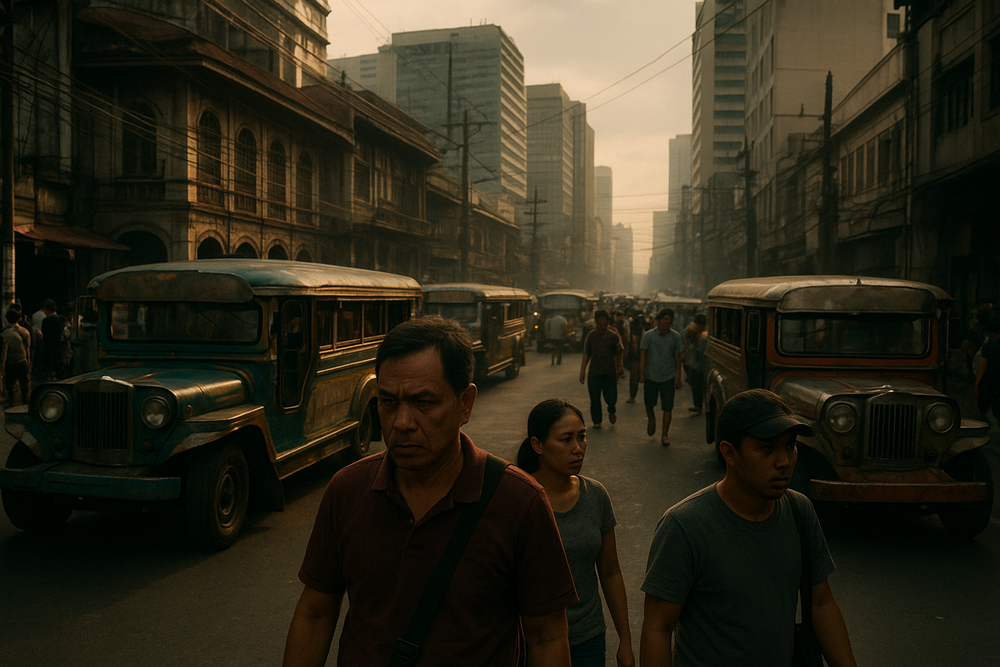
For many Filipinos, especially those who rely on daily wages and small-scale commerce, inflation’s bite has brought tangible hardship. The cost of daily transport fares—ranging from PHP 13-15 in Metro Manila to even higher rates in provincial areas—adds to the burden on families and workers already strained by limited wage increases and stagnant job growth.
Public skepticism over corruption feeds into worries about the government’s ability to generate sustainable employment or raise wages, which in turn affects informal sectors such as sari-sari store operators—an essential part of the local economy. The erosion of trust mirrors these lived realities, contributing to a sense of political alienation in key regions.
Looking Ahead: Leadership Under Pressure
As the administration moves into the new year, maintaining the fragile unity of the ruling coalition and regaining the trust of a wary public will be critical. The latest Pulse Asia survey offers a candid snapshot: while the “UniTeam” holds pockets of strength, notably in Luzon for Marcos and Mindanao for Duterte, the overall trend reveals cracks driven by economic and governance challenges.
Winning back public confidence will require tangible action on inflation control and demonstrable gains in anti-corruption efforts—tasks that test both policy and political will. Until then, the coalition’s cohesion and the leadership’s legitimacy remain fields of contest, reflective of a nation seeking stability amid persistent uncertainties.