As 2025 draws to a close, President Ferdinand “Bongbong” Marcos Jr. has placed flood control projects squarely at the center of his administration’s intensified anti-corruption drive. In a decisive policy shift, the President ordered stringent audits and performance reviews across infrastructure agencies, halting new allocations for flood control in 2026 until it is proven that the sprawling PHP350 billion 2025 budget has been fully and effectively utilized. This move aims to curb endemic fiscal irregularities in flood management that have long left millions vulnerable to disruption and devastation.
Unspent Funds and Ghost Projects Shadow Flood Control Efforts
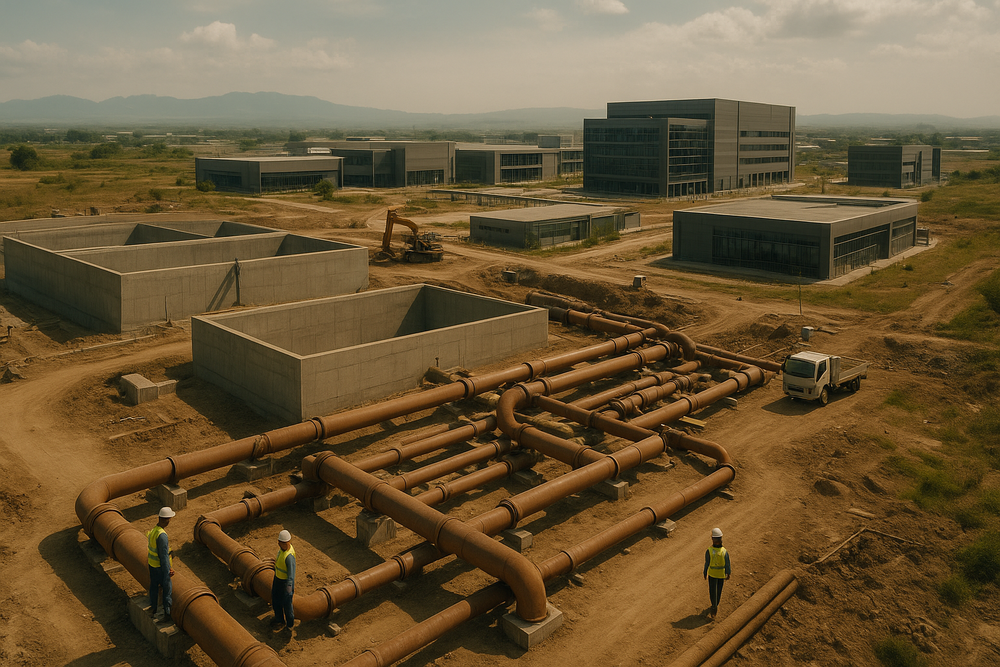
The government allocated a massive PHP350 billion in 2025 for flood control, yet audits reveal a troubling undercurrent of unspent funds, delays, and incomplete initiatives. The Department of Public Works and Highways (DPWH) identified 421 ghost projects—phantom schemes absent of tangible work—amid a nationwide review of more than 8,000 infrastructure efforts. The Independent Commission for Infrastructure (ICI), established by Executive Order 94 in September, is spearheading investigations into these anomalies.
Instances of substandard work and financial misconduct have prompted the suspension of new flood control budget allocations for 2026. Instead, funds have been redirected toward health programs, agricultural support, and social services, including the Department of Social Welfare and Development’s flagship 4Ps initiative, which recently absorbed nearly PHP36 billion from reallocated flood control funds.
Crackdown Reveals a Web of Corruption
Reports indicate that approximately PHP115 billion in flood control projects exists outside the official Flood Management Program, often referred to as “shadow” projects. The scale of this parallel system has ballooned since 2022’s PHP81.552 billion figure, raising murmurs of patronage and graft.
President Marcos openly acknowledged that over PHP350 billion of the 2025 budget remained unspent as of September, prompting the administration to head off potentially wasteful spending. “We are already observing that all flood control projects intended for the 2026 budget may no longer be essential,” he declared on his podcast that month.
Investigations led by the ICI and the DPWH have since focused on a handful of dominant contractors, including Sun, Inc., implicated in projects such as a PHP289.5 million flood control venture in Oriental Mindoro. Arrests have involved contractor personnel and lower-tier officials, but calls for accountability among higher echelons persist.
Economic Fallout and Infrastructure Slowdown
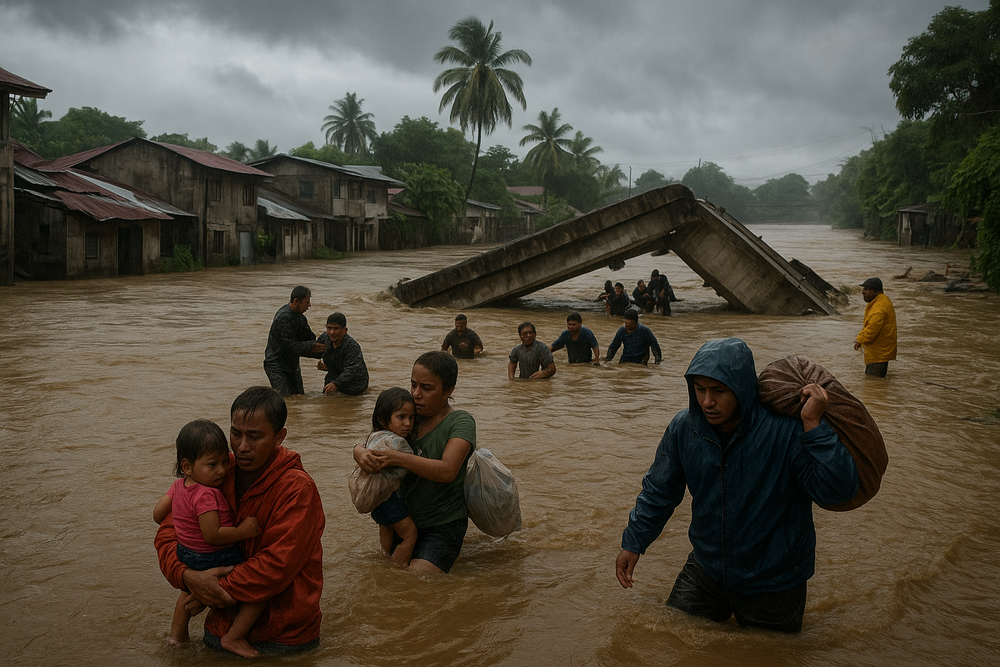
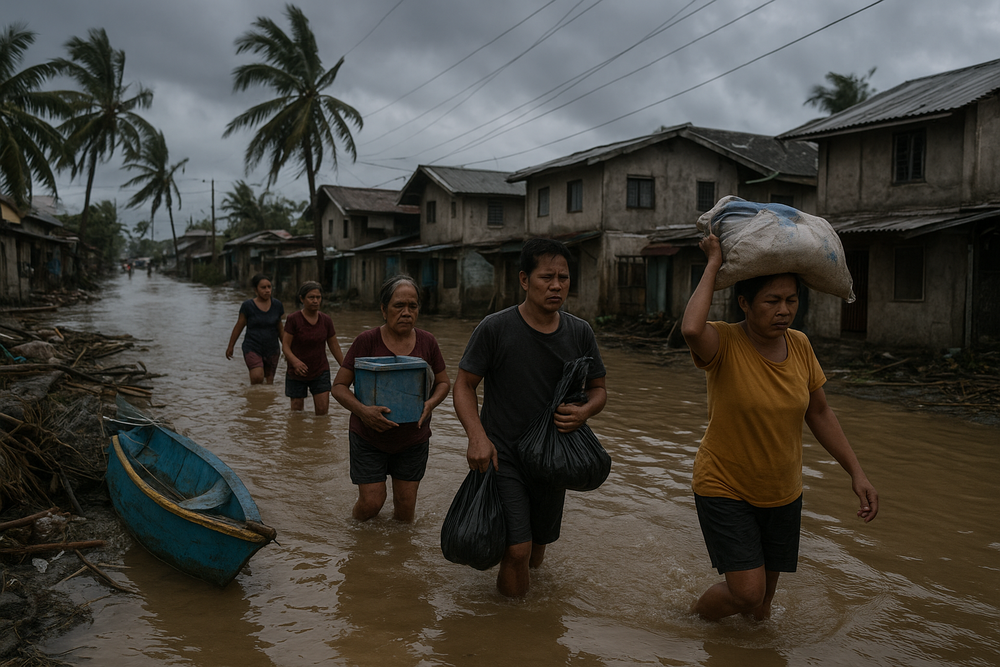
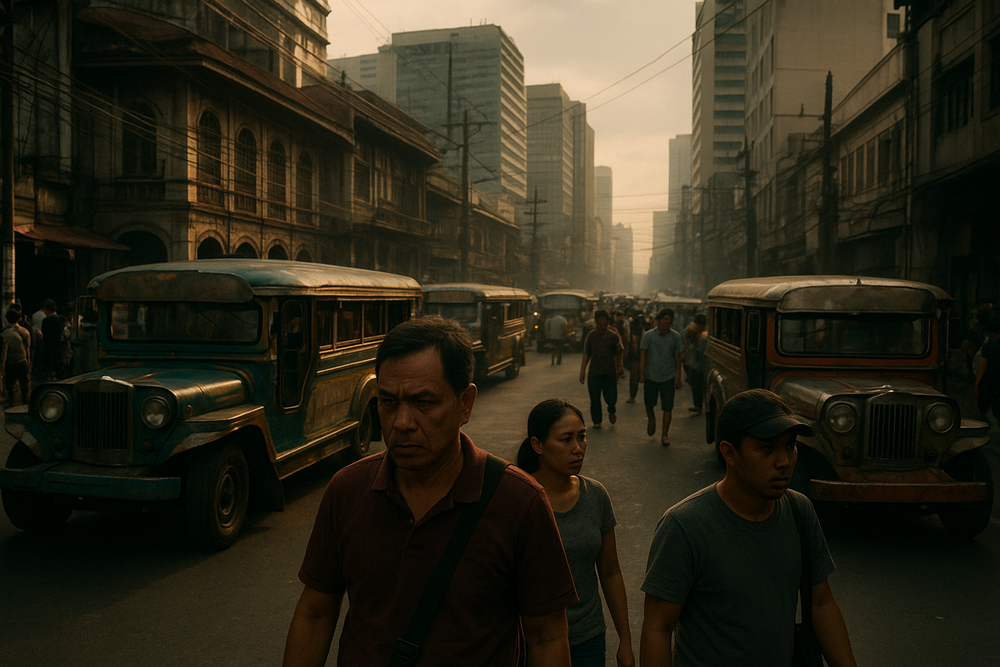
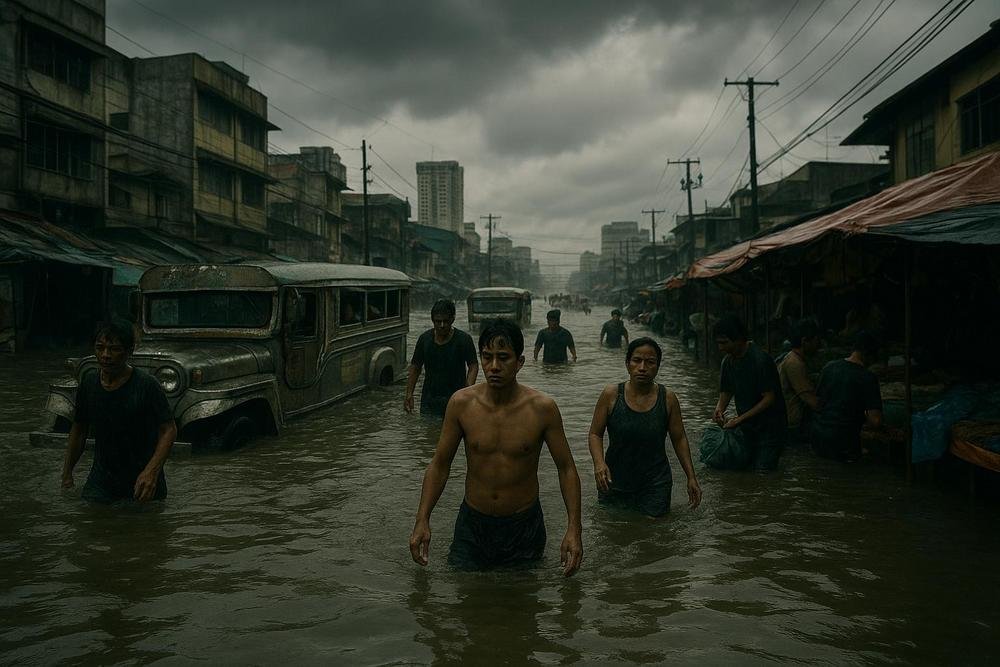
The public consequences of the flood control debacle are manifold. Metro Manila and Central Luzon, regions perennially pummeled by typhoons and flooding, remain at heightened risk due to delayed or abandoned mitigation projects. Informal settlers, jeepney drivers, and market vendors face waist-deep water during peak rainy season, disrupting livelihoods and exacerbating poverty cycles.
These infrastructural troubles have deepened economic woes. Infrastructure spending plunged by nearly one-third in the third quarter of 2025, with a corresponding 17.5 percent drop in building permits recorded in October alone. Economists warn that this slowdown threatens critical employment sectors tied to construction and infrastructure development, further imperiling economic momentum.
Government Measures and Institutional Reforms
In the executive branch, the DPWH has committed to stringent internal reviews and cooperation with the ICI to ensure transparency and recover misappropriated funds. Efforts coordinated with the Anti-Money Laundering Council have already reclaimed an estimated PHP5 billion linked to fraudulent flood control expenditures.
The ICI’s ongoing audit includes 80 flagged projects associated with 15 contractors who dominate significant flood control contracts amounting to at least PHP100 billion. This deep dive aims at clearing out systemic corruption and setting new benchmarks for accountability.
President Marcos has emphasized that no individuals—regardless of rank or relation—will be spared from investigation. “There will be no protection for involved parties, including relatives,” he vowed, promising further arrests in 2026.
Voices from the Opposition and Policy Experts
Despite these bold steps, critics underscore a lingering gap in accountability. The opposition Makabayan bloc dismissed the pre-Christmas arrests as insufficient, accusing the administration of targeting only “low-level workers” while shielding “big fish” implicated in the scandal. Representative Eli San Fernando questioned, “Where are the big fish? It’s insufficient for only DPWH officials or contractors to face imprisonment… You can’t just target the low-level workers while the masterminds and their patrons remain unharmed.”
Meanwhile, civil society and academic institutions such as the University of the Philippines National College of Public Administration and Governance (UP-NCPAG) caution that the DPWH’s entrenched organizational structures remain vulnerable to corruption. They advocate for transferring disaster risk reduction functions to a dedicated and risk-sensitive agency to ensure more effective, transparent management.
Looking Ahead: Balancing Reform and Resilience
The administration faces a delicate balancing act. While redirecting funds to social welfare programs offers immediate relief, the looming wet season in 2026 demands robust, timely flood control measures. The stakes are high: failure to address corruption and inefficiency threatens not only the country’s economic growth but also the safety and dignity of millions of Filipinos who endure floods as an annual hardship.
President Marcos’s anti-corruption campaign targeting flood control projects underscores a landmark effort to dismantle a long-standing network of waste and fraud. Whether this initiative will translate into lasting reform remains a critical question as the nation steps into 2026.