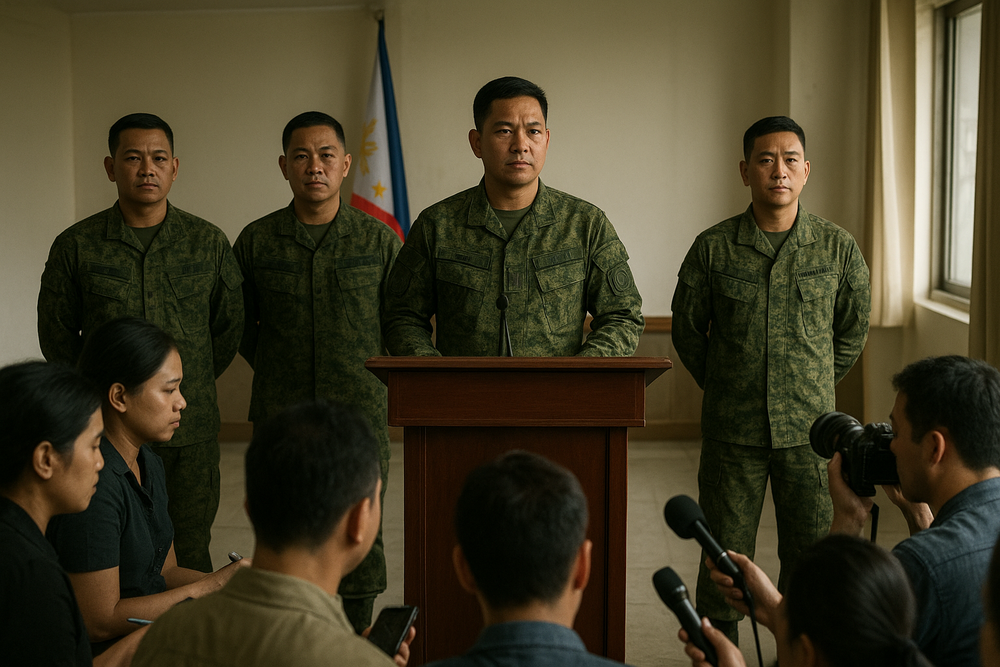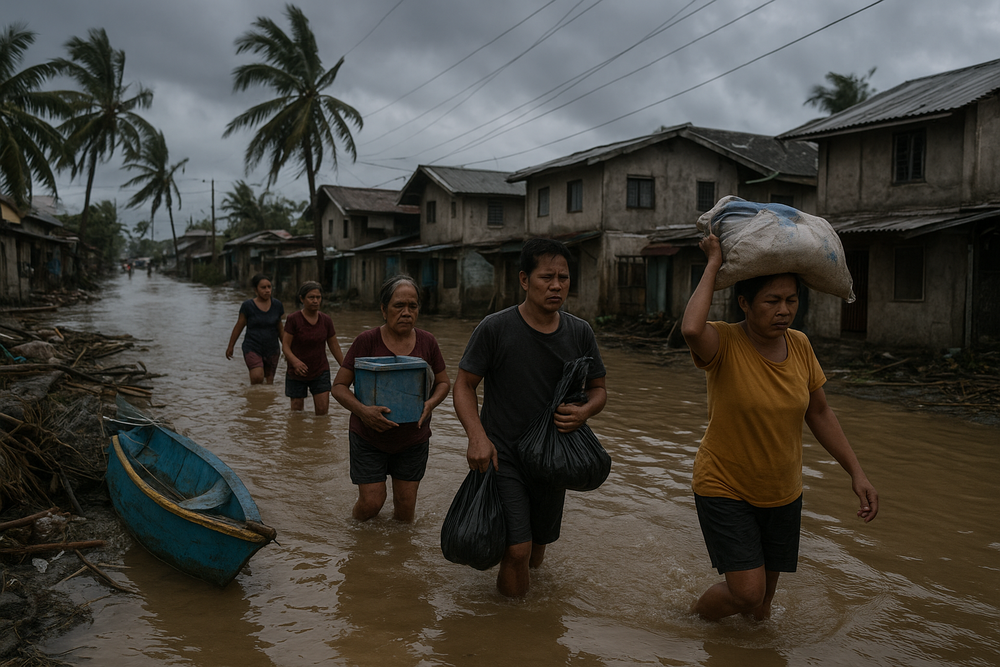
The Philippine government has escalated its pursuit of fugitive former Congressman Elizaldy Co, pivoting its strategy from standard police cooperation to invoking a major global anti-corruption treaty. Facing high-profile graft and malversation charges, Mr. Co is now the subject of an intense diplomatic and legal offensive centered on the utilization of the United Nations Convention Against Corruption (UNCAC), a treaty mechanism intended to pierce through borders and national legal barriers to secure his apprehension and the recovery of alleged ill-gotten wealth.
The Dual Track: Interpol and the UN Treaty
Mr. Co, a former Ako Bicol Party-list Representative, is accused of involvement in an anomalous flood control project in Oriental Mindoro. His legal difficulties deepened on November 21, 2025, when the Sandiganbayan, the nation’s anti-graft court, issued warrants for his arrest and corresponding hold departure orders. However, Mr. Co had already left the country, having been outside the Philippines since approximately July 2025.
The government is currently employing a two-pronged international strategy:
- Immediate Law Enforcement: Authorities are working through the International Criminal Police Organization (Interpol), which has issued a Blue Notice—a tool for locating, identifying, or obtaining information about a person. A request for a more severe Red Notice, which seeks provisional arrest pending extradition, remains pending.
- The Legal Framework: The strategic shift involves activating the UNCAC, a legally binding treaty ratified by 192 countries, including the Philippines. This proposal was championed by Senate President Pro Tempore Panfilo Lacson.
Senator Lacson articulated the inherent advantage of this approach, emphasizing that the treaty significantly expands the reach of the Philippine legal system. He stated, “One option the Philippine government may explore is to tap the UNCAC, where we are a signatory. Imagine, 192 countries signed the convention. If we tap the resources of 191 other countries, you can imagine how our efforts to locate and arrest Co will be easier.”
While coordination is concentrated on Interpol for now, Malacañang has confirmed it is open to exploring the use of UNCAC, having consulted the Departments of Foreign Affairs, Justice, and Interior. The formal invocation of the treaty would require convening the Presidential UNCAC Inter-Agency Committee, demonstrating the high-level commitment to this path.
High-Stakes Graft: The Charges and Political Counter-Narrative
The pursuit of Mr. Co is complicated by the explosive political dimension he introduced before his passport was revoked. On November 14, 2025, shortly before the arrest warrant was issued, Mr. Co released a public video admitting to facilitating budget insertions, primarily for flood control projects. He then dramatically shifted the blame, directly accusing the Executive Branch.
Mr. Co claimed the directive for about ₱100 billion in insertions came from President Ferdinand Marcos Jr. and former House Speaker Martin Romualdez. Furthermore, he alleged that the “standard operating procedure” kickback for the Office of the President was 25 percent, asserting that ₱25 billion went directly to President Marcos Jr. Mr. Co claimed that he, his staff, and security personnel personally delivered suitcases of cash to residences linked to the President and Speaker Romualdez, and even to Malacañang itself. The administration has since sought to neutralize this narrative by characterizing the pursuit as an uncompromising fight against corruption, marked by the swift decision by President Marcos Jr. to revoke Mr. Co’s passport on December 10, 2025, eliminating his legal basis to remain in any foreign jurisdiction.
The UNCAC Advantage: Extradition and Legal Hurdles
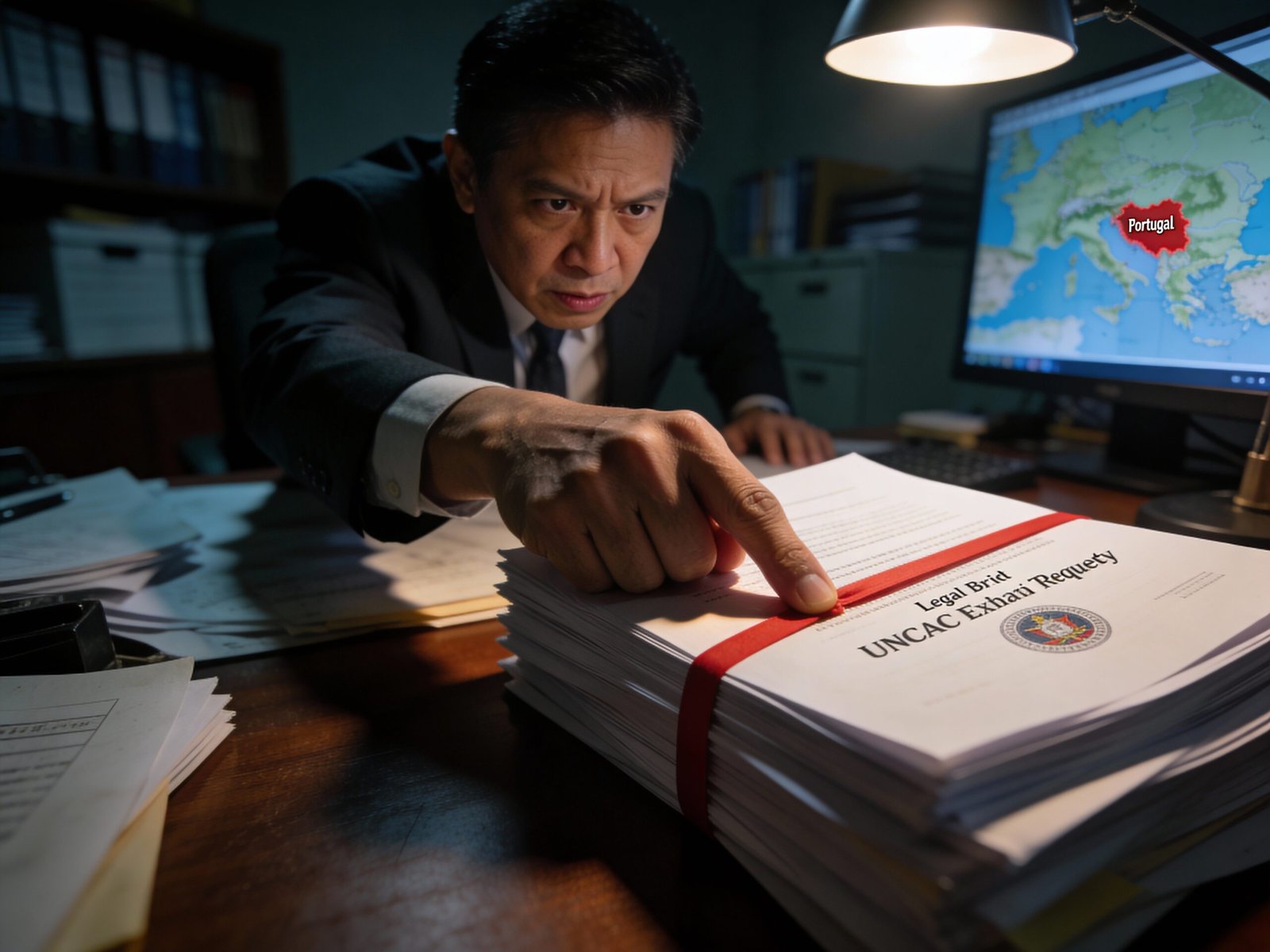
The government is currently verifying reports that Mr. Co is believed to be in Portugal. If this is confirmed, UNCAC Chapter IV, which governs International Cooperation, becomes the critical mechanism for securing his extradition.
In the absence of a bilateral extradition treaty between the Philippines and the requested State Party—a potential scenario with Portugal—UNCAC Article 44 allows the Convention itself to be considered the necessary legal basis for the extradition request. This provision is vital because it maximizes the global reach of the Philippine arrest warrant.
However, the Philippine legal framework presents documented challenges that could complicate the extradition process:
- Dual Criminality Risk: Extradition typically requires “dual criminality”—that the alleged conduct is a criminal offense in both the requesting and requested states. The Philippines’ own compliance review indicates it has only “Partially Implemented” the UNCAC’s extradition provisions. A specific gap identified is the country’s failure to criminalize the bribery of foreign public officials, as required by UNCAC Article 16. A requested state, particularly a European jurisdiction, could potentially cite this incomplete adherence to treaty obligations, weakening the legal force of the extradition request.
- Mutual Legal Assistance (MLA): In cases where a bilateral treaty does not exist, the Philippines’ Notification under UNCAC designates the Office of the Ombudsman—the very agency prosecuting the graft case—as the Central Authority for handling MLA requests. This streamlining is intended to facilitate complex international judicial requests for evidence and financial records.
Chasing the Money: P25 Billion and the Asset Recovery Mandate
Beyond Mr. Co’s physical return, the ultimate objective of the international pursuit is the recovery of the alleged ₱25 billion in illicit gains. This goal falls under UNCAC Chapter V, which provides a comprehensive legal framework for Asset Recovery.
Chapter V mandates cooperation in all stages of asset recovery, including identifying, tracing, freezing, preserving, seizing, and eventually returning stolen assets. Its mechanisms are potent in cases involving fugitives, allowing for:
- Non-Conviction-Based Confiscation: Proceedings can be initiated even if the offender is absent or has fled.
- Direct Civil Action: UNCAC Article 53 requires States Parties to permit the Philippine government to initiate a civil action in their courts to establish ownership claims over property or seek compensation for the harm caused by the corruption offense.
Mr. Co, by virtue of his former congressional role, is categorized as a Politically Exposed Person (PEP), requiring enhanced due diligence by foreign financial institutions under UNCAC. The complexity of tracing and recovering assets is high, but the deployment of the UNCAC framework ensures that the pursuit of the individual and the recovery of the money run simultaneously. The success of this high-stakes confrontation will be measured not just by securing the fugitive, but by the successful identification and return of the alleged vast sums of public funds.