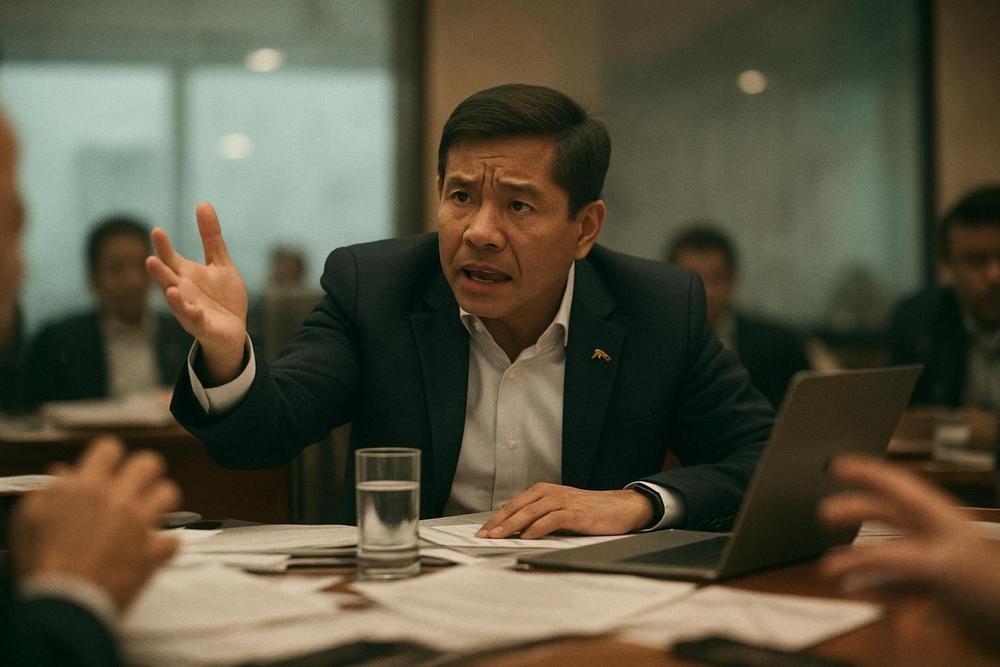
The Bicameral Conference Committee on the 2026 national budget suspended its meeting on December 15, 2025, after failing to reach an agreement on the Department of Public Works and Highways’ (DPWH) plea to reinstate significant portions of budget cuts imposed by the Senate. The dispute centers on a P45–54 billion reduction attributed to adjustments in construction material prices, which DPWH insists were misapplied, potentially jeopardizing nearly 10,000 infrastructure projects amid a fragile economic environment.
Senate-House Budget Deadlock Puts Infrastructure Funding in Limbo
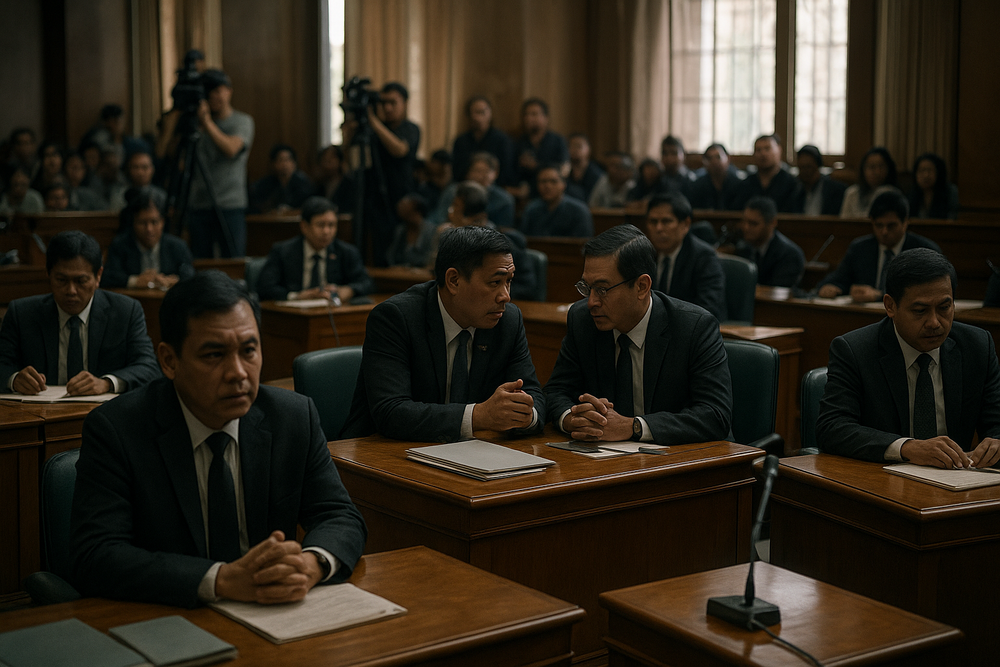
During the bicameral conference, lawmakers wrestled over the divergent versions of the DPWH allocation in the proposed P6.793-trillion 2026 national budget. The House of Representatives set DPWH’s funding at P624.48 billion, while the Senate slashed it to approximately P570.8 billion, a steep cut reflecting heightened scrutiny over material cost estimates.
These adjustments followed data from the Construction Materials Price Data (CMPD), intended to reflect current prices and curb alleged overpricing in projects. However, the application of CMPD across entire project costs, rather than material expenses alone, led to disproportionate reductions that DPWH argues will underfund critical infrastructure work.
DPWH Warns of Risks to Thousands of Projects
DPWH Secretary Vivencio “Vince” Dizon directly appealed to the bicameral committee, emphasizing that the cuts unfairly suppress budgets needed for ongoing projects, not only inflating cost concerns but imperiling implementation. Dizon highlighted the Region IV-B asphalt overlay project as a prime example: its funding was slashed from P41.15 million under the House proposal to P12.97 million in the Senate’s version, creating an P18.56 million shortfall against actual costs nearing P31.53 million.
He stressed a critical nuance: these material price reductions should have been confined to costs of construction inputs, not the total project budget. Dizon rejected accusations of reviving scrapped projects or reverting to inflated prices, underscoring that restoration is needed to align funding with realistic expenditures across nearly 10,000 infrastructure projects.
Political Tensions and Transparency Amid Public Scrutiny
The budget dispute unfolds amid renewed public scrutiny and accountability demands following corruption allegations in flood-control projects. These controversies galvanized protests and prompted the unprecedented livestreaming of bicameral hearings, a shift from prior closed-door sessions.
Senate Finance Committee Chair Sherwin Gatchalian acknowledged the stalemate, labeling it a “deadlock” while committing to ongoing consultations with the House and DPWH. Opposition voices like Senator Ping Lacson cautioned that restoring cuts at this stage could open pathways to undue congressional insertions, a potential threat to transparency efforts.
Malacañang, through Press Officer Claire Castro, aligned with DPWH’s position, warning that reduced funding risks project non-implementation. President Ferdinand Marcos Jr. remains appraised of the situation, emphasizing the importance of balancing fiscal prudence with execution of infrastructure programs.
Economic Growth and Infrastructure Spending at a Crossroads
Infrastructure investment remains a cornerstone of economic growth, yet the country’s Q2 2025 GDP growth slowed to 4%, reflecting the impact of curtailed public spending. Economists have noted that failure to finalize an increased infrastructure budget threatens to stall recovery efforts.
The DPWH argues that reinstating full funding will not only preserve project continuity but also allow for refined, per-project adjustments to pricing, avoiding across-the-board cuts that undermine project viability.
Deadline Pressure as Lawmakers Face Year-End Cutoff
With lawmakers scheduled to adjourn on December 23, the bicameral committee faces mounting pressure to reconcile House and Senate budgets before the year-end deadline. Failure to reach consensus risks the reenactment of the 2025 budget, potentially stalling infrastructure development and exacerbating economic sluggishness.
The ongoing deadlock underscores a broader challenge of balancing fiscal discipline with the demand for accountability and efficient public project delivery—a delicate tightrope that will shape the trajectory of the country’s infrastructure landscape in 2026 and beyond.