The Philippines’ Department of National Defense (DND) has publicly condemned China’s recent radar illumination of Japanese military aircraft, describing the action as “perilous and provocative” amid growing tensions in the Indo-Pacific region. The incident, involving Chinese fighter jets locking weapon radars on Japanese F-15s during carrier drills near Okinawa, underscores a fragile security environment where missteps risk escalating into conflict.
China’s Radar Lock Sparks Regional Alarm
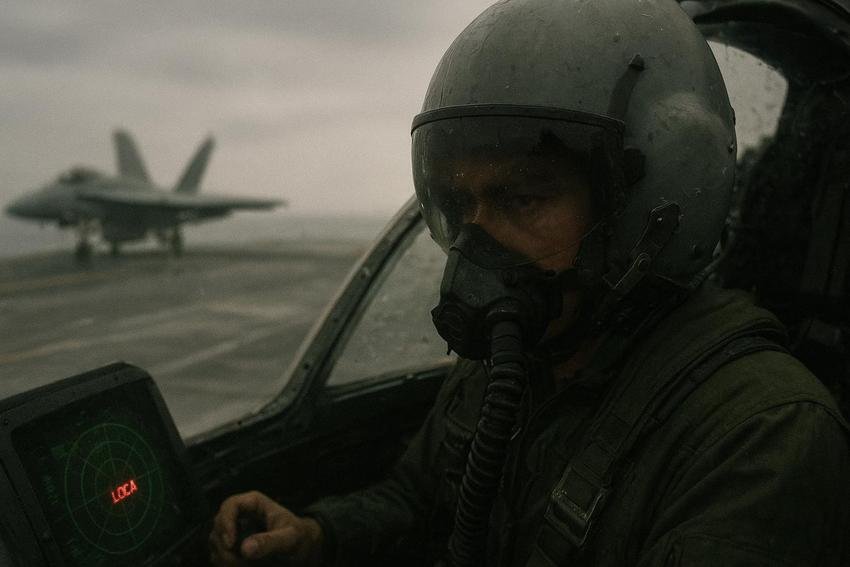
On December 6, 2025, Chinese J-15 fighter jets operating from the Liaoning aircraft carrier targeted Japanese Air Self-Defense Force (JASDF) F-15 fighters with radar locks over international waters southeast of Okinawa. The aircraft carrier was conducting drills after transiting through the narrow Miyako Strait, a strategic waterway connecting the East China and South China Seas.
Japan labeled the radar illumination “unnecessary” and “hazardous,” asserting that China’s actions violated established military conduct standards in international airspace. Despite the intensity of the maneuvers, no damage or injuries were reported. Japan’s government subsequently summoned China’s ambassador to formally protest the “dangerous and regrettable” behavior.
Philippines DND Aligns With Japan, Condemns Escalation
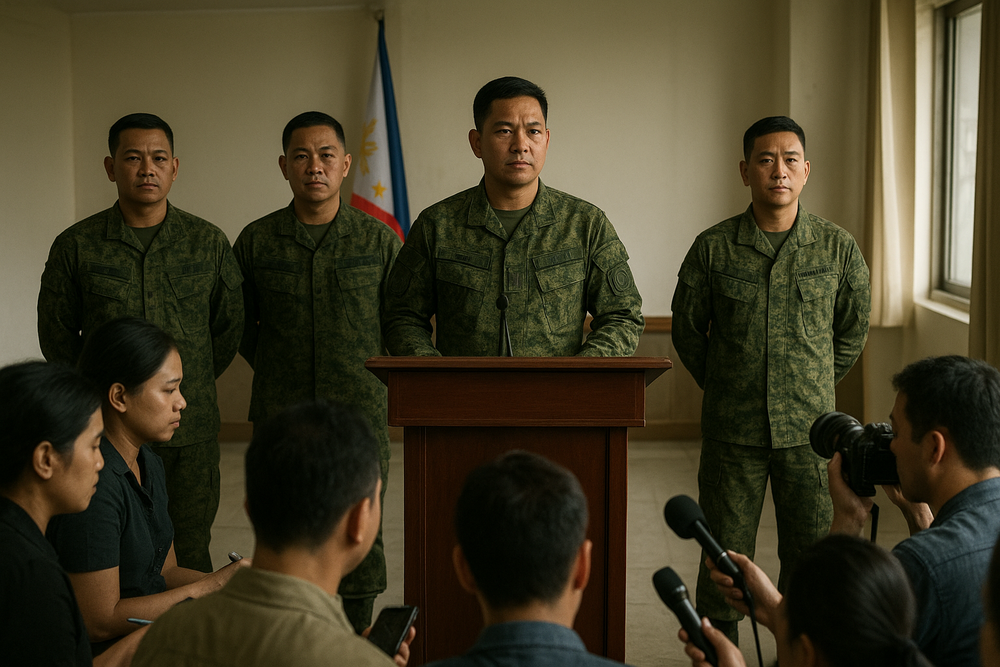
The Philippine Department of National Defense issued a clear statement repudiating the radar incidents as a threat to regional stability. DND Assistant Secretary Arsenio Andolong emphasized that such “radar use against aircraft engaged in legitimate military operations should not occur in international airspace.”
Andolong underscored the need to preserve a rules-based system grounded in transparency and restraint. He stated that the Philippines stands “with Japan and other allies prioritizing compliance with international law over intimidation and provocation.” The statement marked a firm regional pushback against actions perceived as eroding established norms and heightening risks of miscalculation.
Japanese Government Responds Calmly but Firmly
Prime Minister Sanae Takaichi assured that Japan would respond to the incidents “calmly and resolutely,” seeking to balance firmness with measured diplomacy. The Ministry of Defense contested Chinese claims, which portrayed Japan as the provocateur interfering with drills.
Japan’s defense officials described Beijing’s accusations as “unfounded” and demanded China take steps to prevent future radar locking during routine air operations. The backlash followed a broader context of escalating tensions between Tokyo and Beijing, notably after Takaichi hinted at possible Japanese support for U.S. defense efforts in any Taiwan contingency, a move that Beijing criticized as provocative.
China Rejects Accusations, Accuses Japan of Harassment
China’s Foreign Ministry dismissed the Japanese account as “false” and accused Tokyo of stoking regional tensions. Beijing argued its exercises complied fully with international law and framed Japan’s close tracking of the Liaoning carrier as harassment rather than legitimate defense.
China lodged diplomatic counter-protests in both Beijing and Tokyo, maintaining that its military operations in the Miyako Strait and surrounding waters are standard training maneuvers.
Ongoing Naval Movements Heighten Regional Vigilance
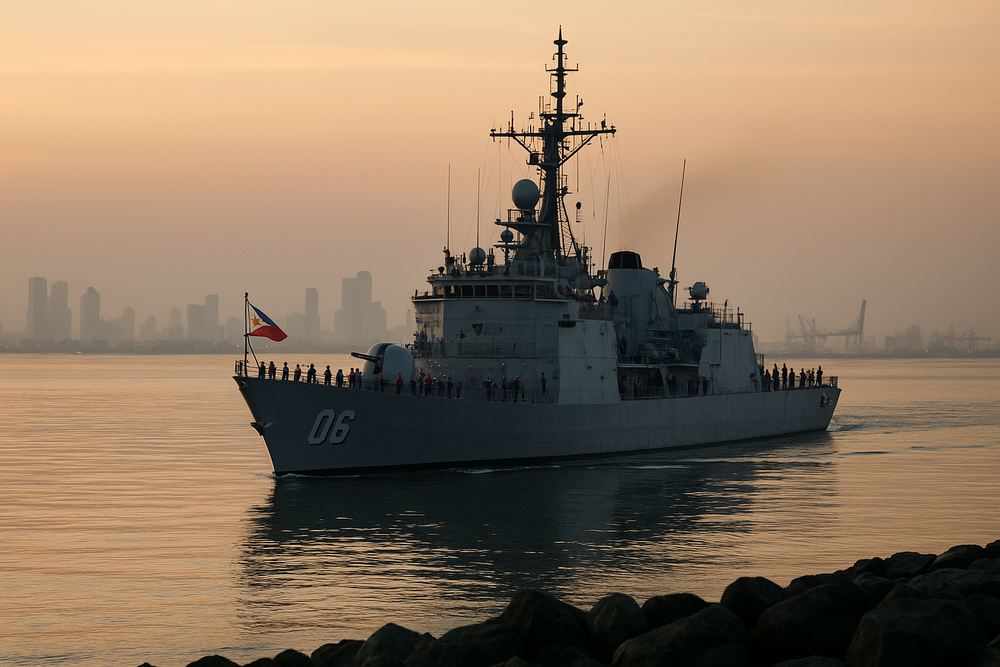
Amid the radar incidents, the Armed Forces of the Philippines monitored two separate Chinese naval formations near the eastern seaboard of Luzon. These developments highlight the broader strategic importance of the Philippine archipelago in the Indo-Pacific security landscape, as well as the increasing presence of Chinese naval power beyond traditional zones of control.
The Miyako Strait remains a critical choke point for Chinese carrier transits between the East and South China Seas, frequently witnessing close-quarter operations that test the boundaries of international law and risk unintended confrontations.
Implications for Regional Stability and International Norms
The radar locking episodes and the diplomatic fallout illustrate deepening strains between major Asian powers. Philippine and Japanese authorities see a pattern of provocative behavior that challenges existing rules designed to prevent conflict. The incidents serve as a stark reminder of the fragility of peace in the Indo-Pacific, where dense militarisation and overlapping territorial claims create a tinderbox atmosphere.
Conversely, China reiterates its narrative of lawful defensive exercises, warning against external interference. Without independent verification beyond the conflicting accounts from Beijing and Tokyo, the risk remains that misinterpretation or misjudgment could lead to dangerous escalation, particularly near Taiwan and Okinawa.
As tensions simmer, the Philippines, Japan, and their allies emphasize adherence to international law and call for restraint, transparency, and diplomacy to navigate these sharp-edged encounters. The challenge lies in maintaining peace and stability amid a contest for influence where radar beams may all too easily become sparks.