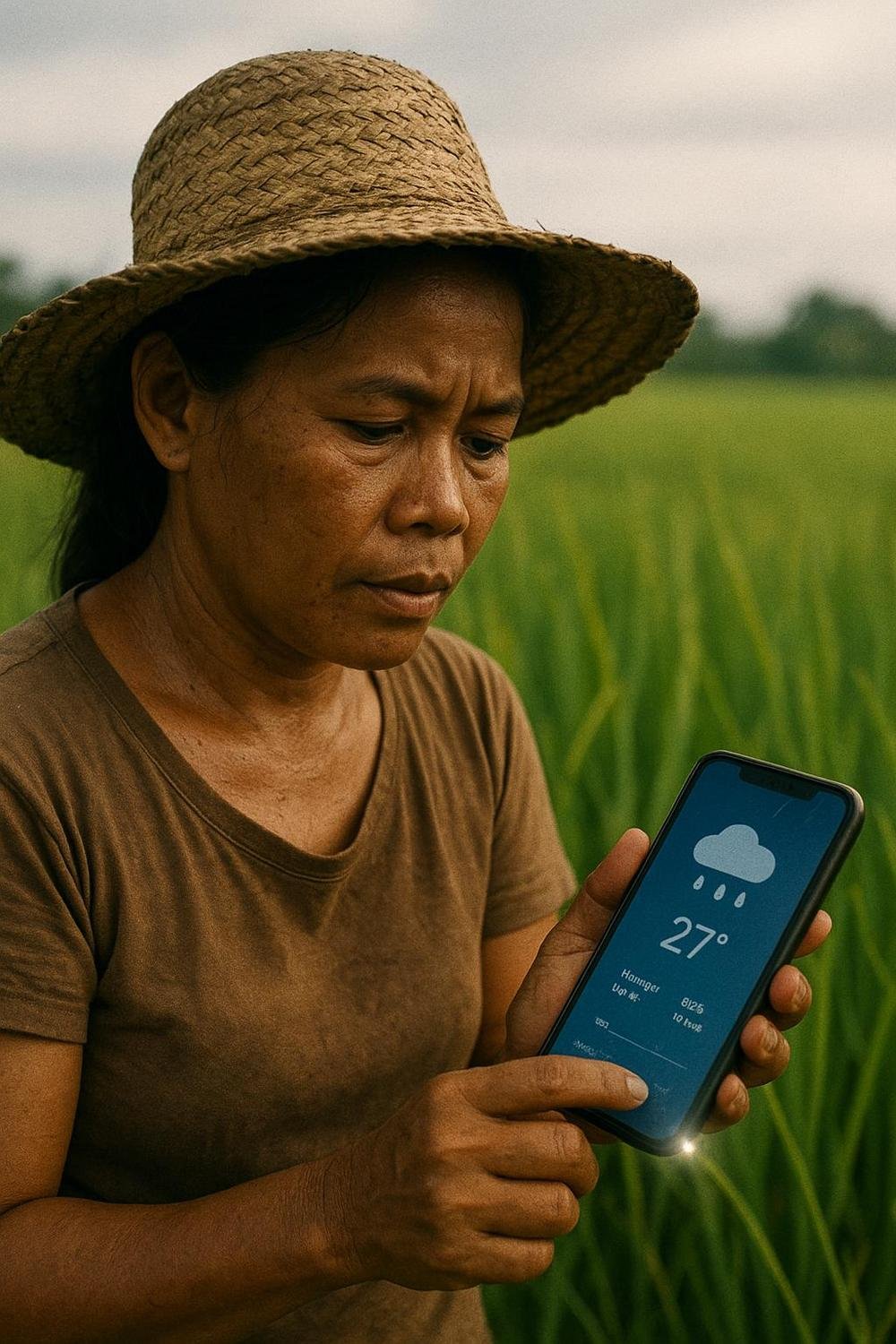
In a groundbreaking effort to shield Filipino farmers from the mounting threats of climate variability, Philippine agritech startup Agrilever has partnered with US-based weather intelligence firm Tomorrow.io to deploy AI-driven, hyperlocal weather forecasts across the archipelago. This innovative collaboration aims to provide rice farmers with precise, real-time weather data integrated with crop management and financial services, forging a vital tool to improve agricultural productivity and reduce vulnerability to extreme weather events.
Empowering Farmers Amid Intensifying Climate Risks
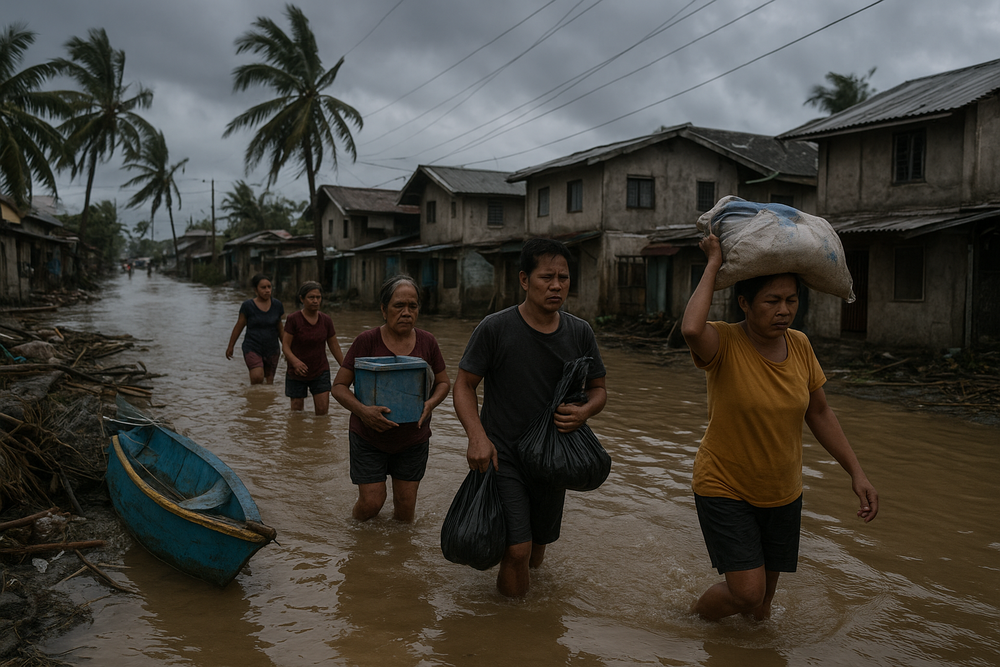
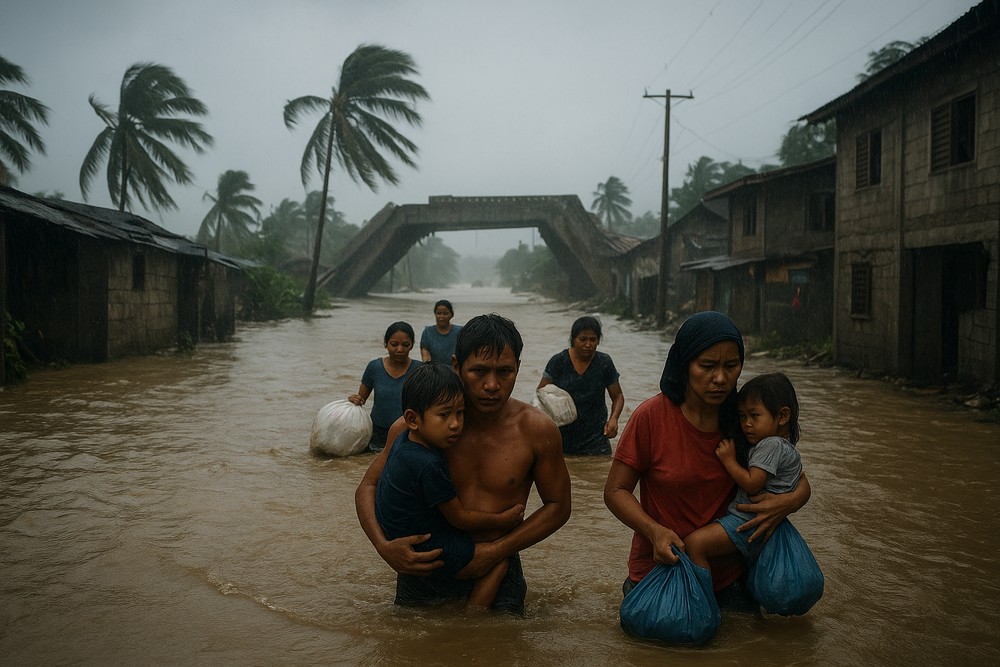
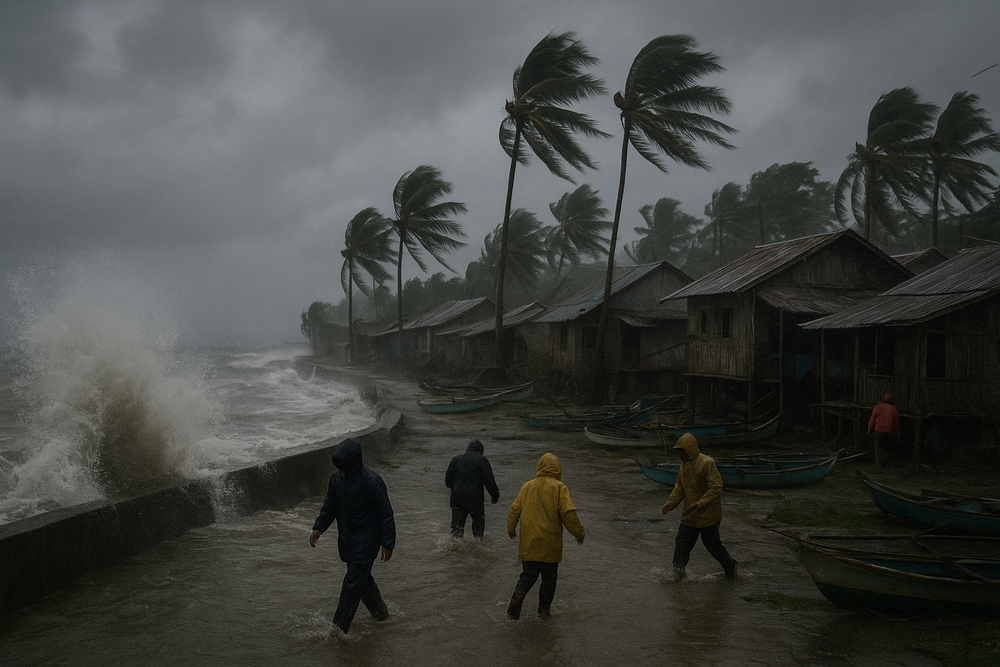
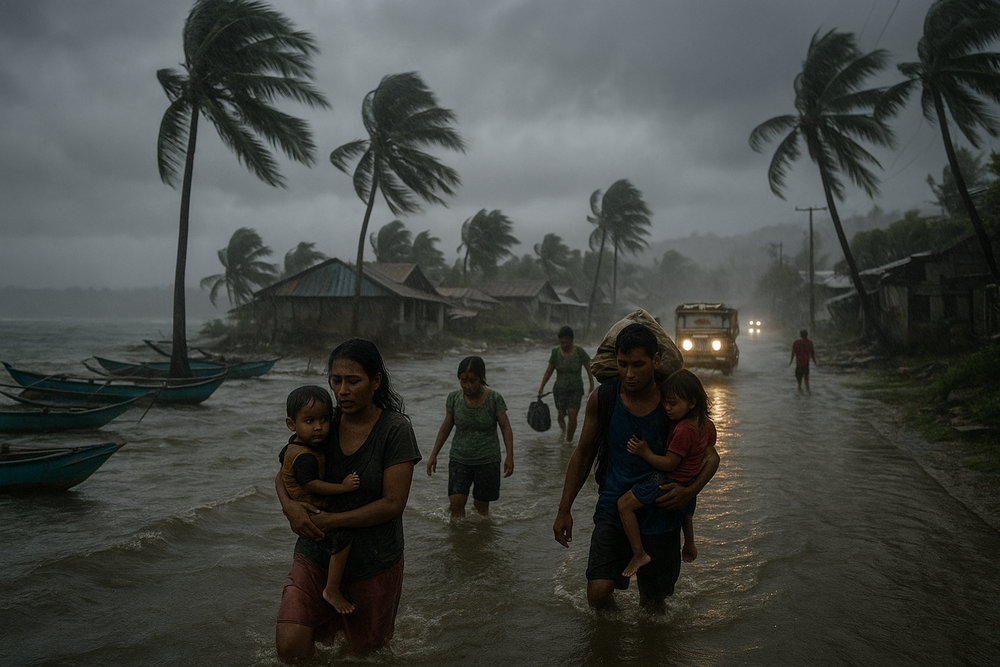
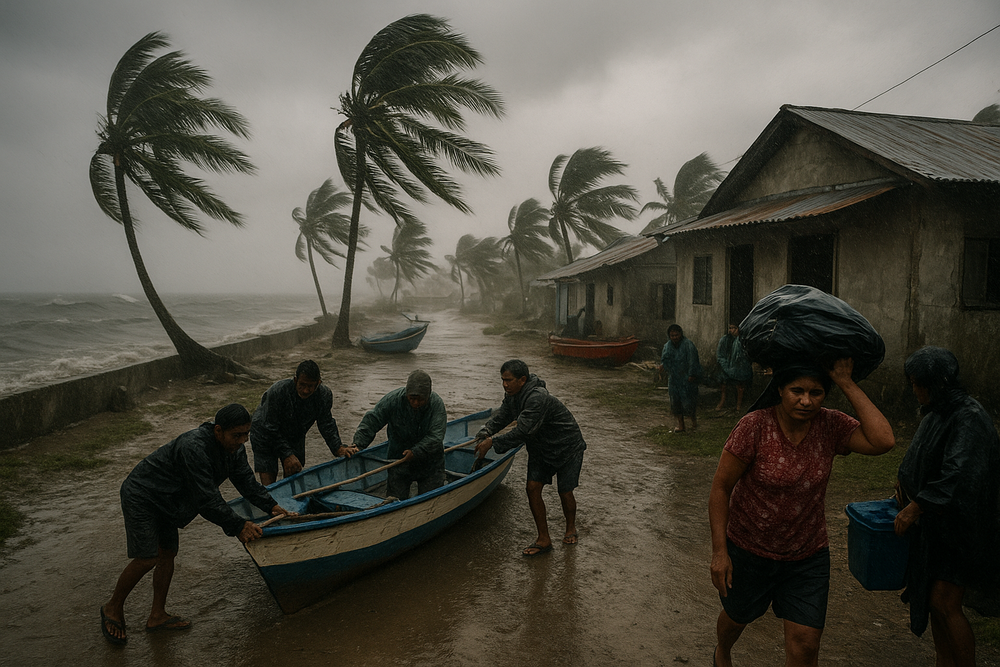
The agricultural sector in the Philippines faces relentless challenges from unpredictable weather patterns and devastating natural calamities such as typhoons and droughts. In 2024 alone, these disruptions inflicted an estimated ₱57.78 billion (approximately USD 1 billion) in damages, impacting over 1.4 million farmers and fishers and resulting in the loss of 2.19 million metric tons of agricultural produce across nearly one million hectares, according to the Department of Agriculture.
These figures underscore the urgency for advanced technological solutions that enhance farmers’ capacity to anticipate weather changes and adapt accordingly. Agrilever, recognizing the critical need, leverages Tomorrow.io’s artificial intelligence capabilities and satellite data to deliver weather forecasts tailored to microclimates down to the plot level, an unprecedented level of precision in Philippine agriculture.
AI-Powered Technology Meets Local Farming Needs
Tomorrow.io’s proprietary constellation of low-orbit satellites captures detailed atmospheric data even in remote areas, feeding AI and physics-based algorithms that generate highly accurate and hyperlocal weather forecasts. Through Agrilever’s mobile app, farmers receive daily weather notifications—rainfall predictions, wind speed updates, temperature changes—and tailored agronomic advice on irrigation, pesticide use, and harvesting schedules.
The platform further integrates data with government agencies such as the National Food Authority (NFA) and the Bureau of Soils and Water Management (BSWM). This linkage enables continuous monitoring of 331 NFA warehouses and generates 17 automated reports to aid regional risk assessments and disaster readiness. Local government units, particularly in communities like Madalag, Aklan, utilize these insights for coordinated disaster preparedness, protecting crops and infrastructure before severe weather strikes.
Bridging Financial Gaps for Farmers
Underlying the technological stride is a concerted effort to address longstanding financial challenges facing Filipino rice farmers. Prior to Agrilever’s intervention, 98% of rice farmers lacked bank accounts, limiting access to credit and forcing many to depend on costly informal lenders.
Agrilever’s integrated platform not only delivers weather intelligence and crop management protocols but also serves as a conduit connecting farmers with formal financial services. By aligning timely weather data with loan and credit programs tailored for agricultural inputs such as fertilizers, the initiative fosters improved yield outcomes and supports timely loan repayments, fostering financial inclusion critical to sustainable farming.
Collaborative Progress and Early Successes
The partnership’s momentum accelerated in early 2025 with Agrilever launching credit access and app-based crop management tools. By mid-year, Tomorrow.io’s collaboration with the National Irrigation Administration (NIA) and the Department of Agriculture formalized the delivery of AI weather services to farmers nationwide.
Notably, the local pilot in Madalag, Aklan, demonstrated tangible benefits when hyperlocal forecasts enabled farmers to brace for heavy rains and strong winds in November 2025, minimizing damage and operational disruption. As of December 2025, over 600 active users—mostly rural farmers—access these services, with expansion underway to scale the platform’s reach.
Voices from the Frontline of Innovation
Ruel Amparo, Agrilever’s President and CEO, emphasized the partnership’s critical role in “protecting Filipino farmers against sudden weather shifts and typhoons” by providing “timely, reliable weather information” that enables “better preparation and faster recovery.” He highlights how merging weather intelligence with financing and crop protocols not only rebuilds resilience but also “changes the game” for farming communities.
Shimon Elkabetz, CEO of Tomorrow.io, noted that their satellite network was designed to address gaps in weather coverage especially in the remote, climatically diverse Philippine archipelago. He expressed confidence that “high-resolution, real-time forecasts” will empower farmers with early warning and practical guidance essential for reducing losses and improving productivity.
Transforming Philippine Agriculture Through Data-Driven Resilience
This partnership represents a paradigm shift in how Filipino farmers confront climate variability—not merely reacting to disasters but proactively managing risk through data. By combining AI-powered hyperlocal weather forecasting with financial inclusion and government integration, Agrilever and Tomorrow.io are forging a holistic ecosystem that strengthens food security and rural livelihoods.
In a nation where weather extremes are increasingly the norm, equipping farmers with precise, actionable information at their fingertips is as vital as the seeds they sow. This fusion of technology and community-centered services offers a scalable model for climate resilience, potentially serving as a blueprint for vulnerable agricultural sectors worldwide.