In a strategic show of force and cooperation, the Australian Defence Force (ADF) and the Armed Forces of the Philippines (AFP) completed their largest-ever joint military training program in August 2025. The 15-day exercise, dubbed Exercise Alon 25, brought together more than 3,600 personnel across land, air, maritime, and cyber domains, reinforcing a growing alliance and shared commitment to peace and stability in the Indo-Pacific.
Largest-Ever Collaboration Amid Growing Regional Tensions
Conducted from August 15 to 29 around the islands of Palawan and Luzon, the exercise marked a significant escalation in scope and complexity since its inception in 2023. The timing of the drills—against the backdrop of heightened tensions in the South China Sea—is as strategically symbolic as it is functionally important, notably as Philippine and Chinese naval vessels have clashed in disputed areas such as the Scarborough Shoal.
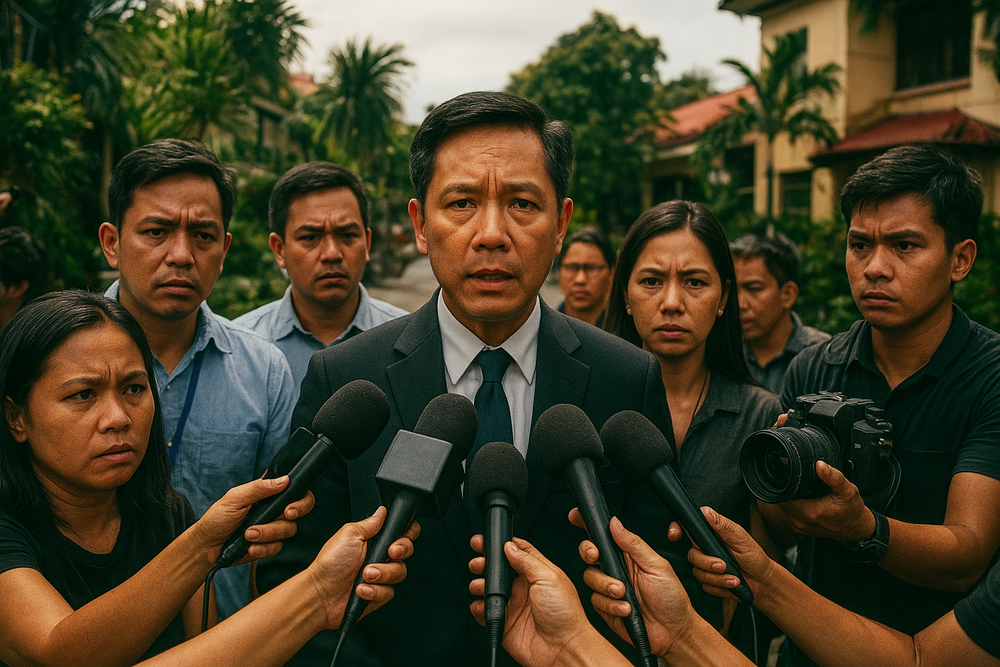
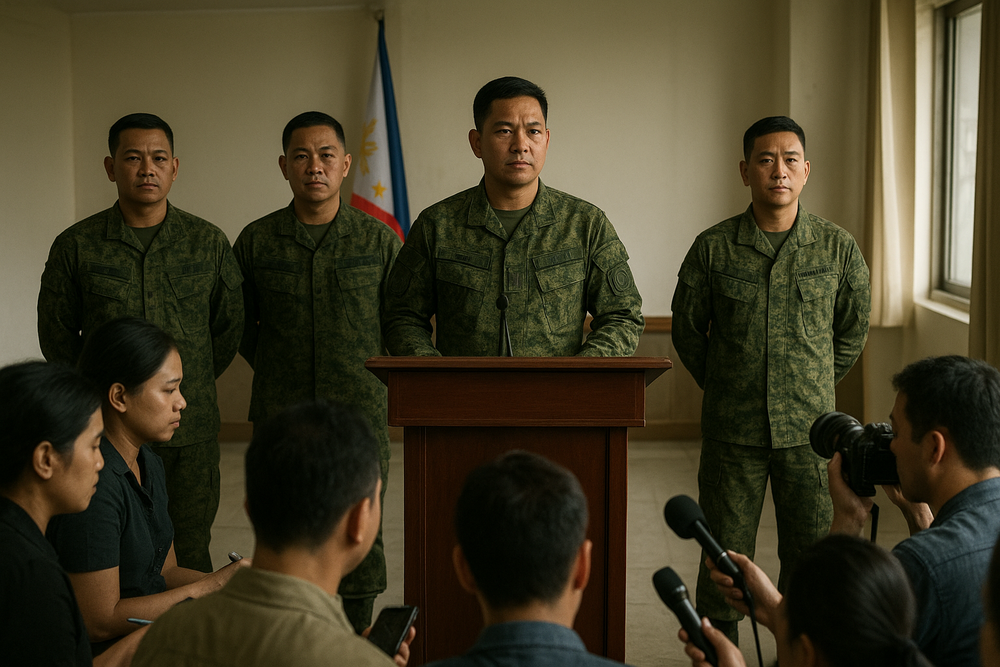
“This is more than just a military exercise. It is a statement to the world that partnerships forged in trust and tested in action are the surest defense of peace,” said AFP Chief Gen. Romeo Brawner Jr., underlining the broader geopolitical significance of Alon 25.
Multipronged Operations Across All Military Domains
Mobilizing a combined force of over 3,600 troops, the exercise featured approximately 1,600 Australian personnel and over 1,100 Filipino troops, spanning the Army, Navy, Air Force, and Special Operations units. Observers from allied nations—including the United States, Canada, Japan, South Korea, New Zealand, and Indonesia—were invited, signaling broader international interests in the security of Southeast Asia.
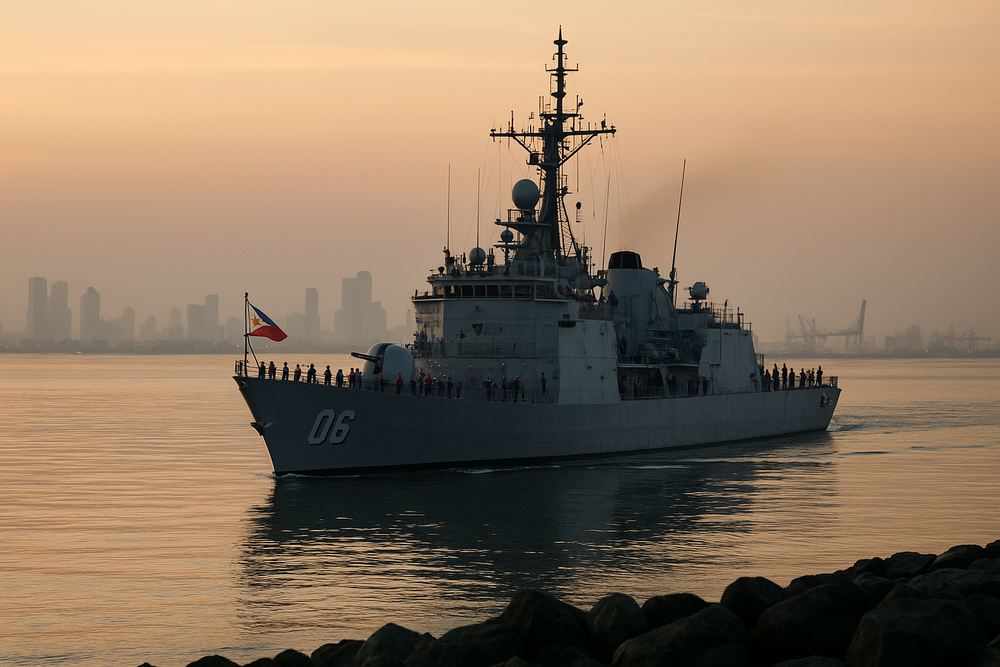
Australian assets included the HMAS Brisbane, a Hobart-class destroyer, and aircraft such as F/A-18F Super Hornets, EA-18G Growlers, P-8A Poseidons, and C-17A transport planes. These were part of one of the most substantial Australian air deployments to the Indo-Pacific since 1999. Ground operations were led by a battle group from the 8th/9th Battalion, Royal Australian Regiment, supported by artillery, engineering, and health units.
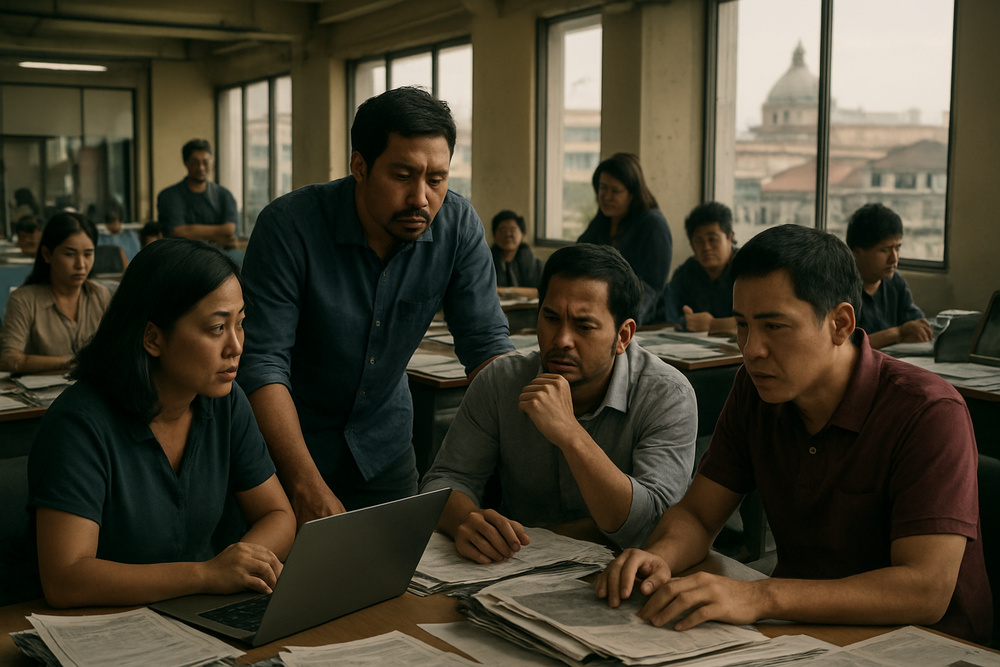
A Combined Fusion Centre was established between AFP’s Western Command and Australia’s Joint Task Force 661 to integrate operations—an embodiment of the exercise’s primary goal: enhancing interoperability and joint response capabilities under real-world conditions.
Exercises Simulate Battle-Readiness and Cyber Resilience
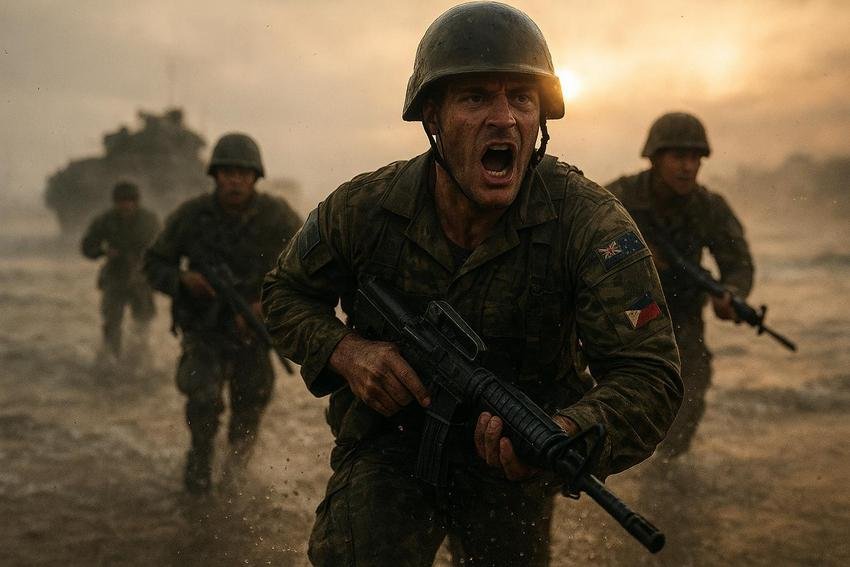
The training included live-fire drills using Javelin anti-tank missiles, sniper coordinate maneuvers, and an elaborate amphibious landing operation that tested beach assault capabilities. Airlift operations simulated rapid deployment scenarios, while Special Operations Forces undertook advanced reconnaissance and counter-insurgency missions.
Expanding beyond conventional domains, the program also focused on cybersecurity resilience, civil-military coordination, religious engagement, and military public affairs. These elements are reflective of modern threat landscapes, where challenges evolve across visible and digital frontlines alike.
Strategic Anchors in Shifting Geopolitical Currents
Australia’s commitment extends far beyond symbolic partnership. Following the establishment of a Visiting Forces Agreement (VFA) with the Philippines—the only such accord outside the United States—the country has demonstrated growing readiness to project power across the region. “This exercise reflects Australia’s commitment to working with partners to ensure we maintain a region where state sovereignty is protected, international law is followed, and nations can make decisions free from coercion,” said Vice Admiral Justin Jones of the Royal Australian Navy.
In turn, the Philippines is solidifying defense ties not just with traditional allies but also with emerging partners including Japan, France, and Canada. Multilateral engagements like Exercise Alon 25 serve to weave a complex tapestry of regional cooperation, demonstrating that deterrence in the Indo-Pacific rests on layered alliances rooted in interoperability and trust.
Key Moments and Military Developments
- August 15: Exercise Alon 25 launched with an official ceremony in Palawan.
- August 15–29: Full-spectrum military operations conducted across land, sea, air, and cyber domains.
- August 29: Exercise concluded with drills validating amphibious landings, joint command integration, and cyber defense operations.
A Shared Vision for Regional Peace
What began as a modest bilateral exchange in 2023 has now matured into a multi-domain demonstration of readiness and cooperation. As military planners and policymakers assess lessons learned, one message emerges clearly: Australia and the Philippines are positioning themselves not only as security partners but as co-architects of a regional order defined by law, sovereignty, and mutual respect. “Deploying 1,200 Australian troops in this region is a powerful demonstration of what joint capability looks like,” affirmed Maj. Gen. Hugh McAslan, Deputy Chief of Joint Operations of the ADF.
In a region increasingly shaped by rivalry and rhetoric, Exercise Alon 25 offers a working model for collaboration grounded in action. Not simply a rehearsal for potential conflict, it is a proactive investment in shared security—where military readiness meets diplomatic resolve.