At least 70 people have died following a massive Mexican military operation targeting one of the world’s most powerful drug traffickers, unleashing a wave of retaliatory violence that has seen cars and businesses torched and major highways blocked across more than a dozen states.
The raid, carried out on Sunday, February 23, targeted Nemesio Oseguera Cervantes, known as “El Mencho,” the head of the Jalisco New Generation Cartel (JNGC), Mexico’s largest drug trafficking organization. Mexican forces acted with intelligence support from the U.S. Central Intelligence Agency and a U.S. military-led task force, according to official statements.
By Monday, entire communities were bracing for further unrest as suspected cartel operatives set vehicles ablaze, attacked businesses and erected roadblocks in coordinated retaliation. The violence prompted the U.S. State Department to issue a shelter-in-place advisory for American citizens in Mexico.
Largest Security Operation in Over a Decade
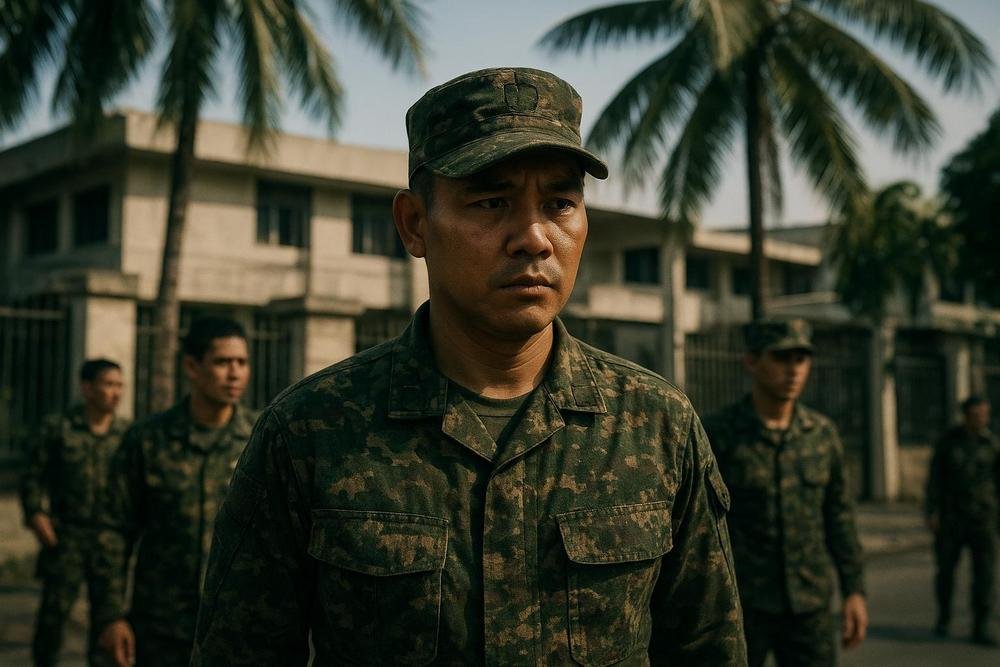
Mexican authorities described the raid as the largest security operation in more than ten years, underscoring its scale and political weight. The strike reflects intensified pressure from Washington for decisive action against cartels that dominate drug trafficking routes into the United States.
President Claudia Sheinbaum, addressing the nation on Monday, sought to frame the operation as a sovereign action led by Mexico’s armed forces.
“The United States only played an information-sharing role in the Mexican military attack,” Sheinbaum said at a news conference.
Her remarks appeared aimed at balancing two audiences: domestic critics wary of foreign interference and a U.S. administration pressing for tougher enforcement measures.
Retaliation Spreads Across Mexican States
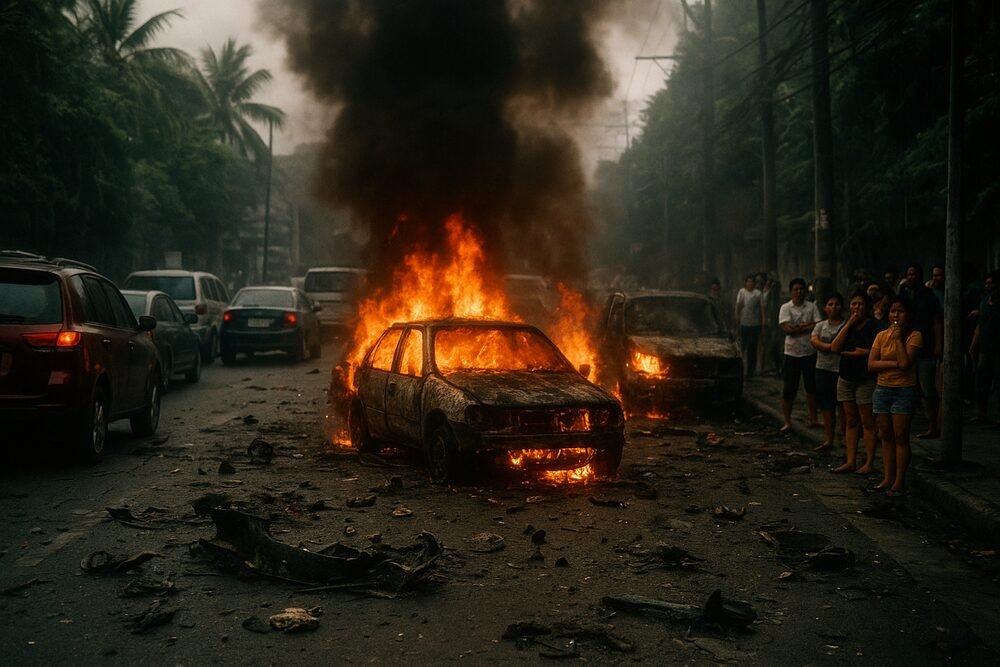
The cartel’s response was swift and highly visible. In scenes reminiscent of urban warfare, masked gunmen reportedly blocked highways with burning trucks, torched private vehicles and targeted commercial establishments. The attacks spanned more than a dozen states, creating a patchwork of flashpoints from urban centers to rural corridors.
Security forces clashed with suspected gang members as local authorities scrambled to restore order. For residents, daily life ground to a halt. Transport links were severed, schools and businesses closed, and smoke from burning vehicles rose over major roadways.
The violence illustrates the enduring power of large criminal syndicates in Mexico: when the head is struck, the body does not fall quietly. It thrashes.
Political Victory — and Security Risks
The operation delivers a symbolic victory for President Sheinbaum, demonstrating the state’s capacity to confront a cartel leader long considered untouchable. Yet security analysts warn that such high-profile takedowns often carry unintended consequences.
Alexander Aviña, a Latin American historian, cautioned that eliminating a dominant cartel figure may do little to slow the narcotics trade.
“This is not going to do much in terms of stopping the flow of illicit drugs from Mexico into United States. Instead, instability within cartel leadership will likely lead to internal power struggles that spill out into local communities,” Aviña said.
His assessment reflects a broader concern among experts: power vacuums within criminal organizations frequently trigger fragmentation and infighting, intensifying violence as rival factions compete for control of trafficking routes and local territories.
U.S.–Mexico Security Cooperation Under Scrutiny
The raid also highlights the depth of intelligence-sharing between Mexico and the United States. While Washington’s role was officially limited to information support, the collaboration underscores growing cross-border coordination in anti-cartel efforts.
The current U.S. administration has publicly pushed Mexico to accelerate enforcement against organized crime groups blamed for feeding the American drug crisis. Sunday’s operation appears to answer at least part of that call.
Still, history suggests that decapitating a cartel seldom dismantles its networks. Supply chains adapt. Leadership shifts. Routes change. The illicit trade often persists, reshaped but intact.
Communities Caught in the Crossfire
For civilians, the immediate concern is safety. The retaliation has targeted not only security forces but also civilian infrastructure and private enterprise, spreading anxiety far beyond the criminal underworld.
Families in affected states faced road closures and uncertainty, while business owners assessed damage from arson attacks. The federal government has signalled that stability is returning, but visible signs of unrest remain.
The coming days will test whether the state can maintain control—or whether the aftermath of one of Mexico’s most significant anti-cartel operations in years marks the beginning of a prolonged and violent power struggle.
As smoke clears from scorched highways and shuttered storefronts, one reality is stark: removing a kingpin may be decisive, but it rarely ends the war.