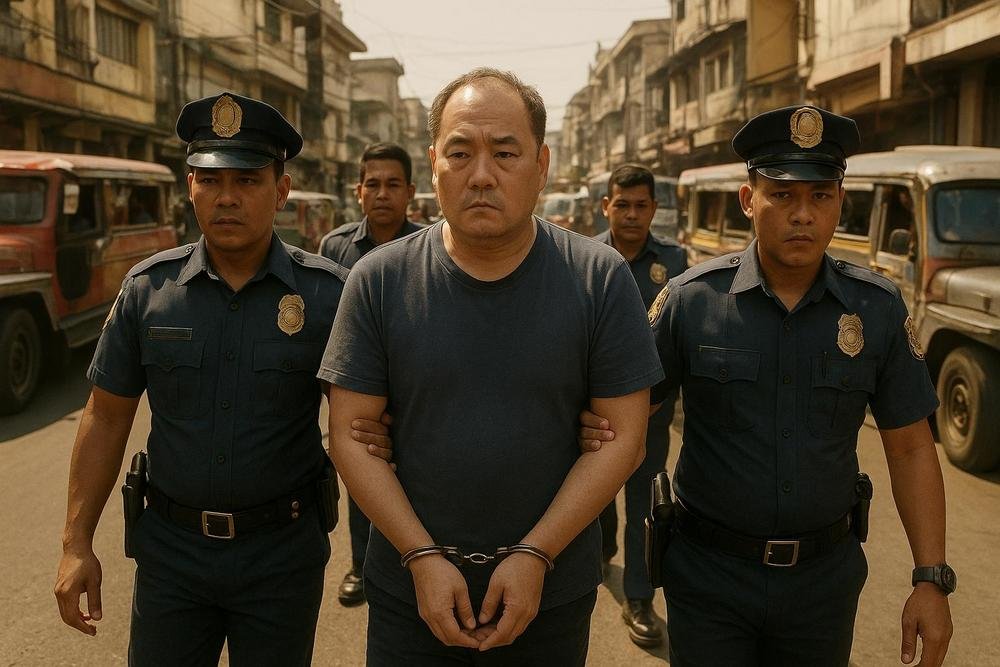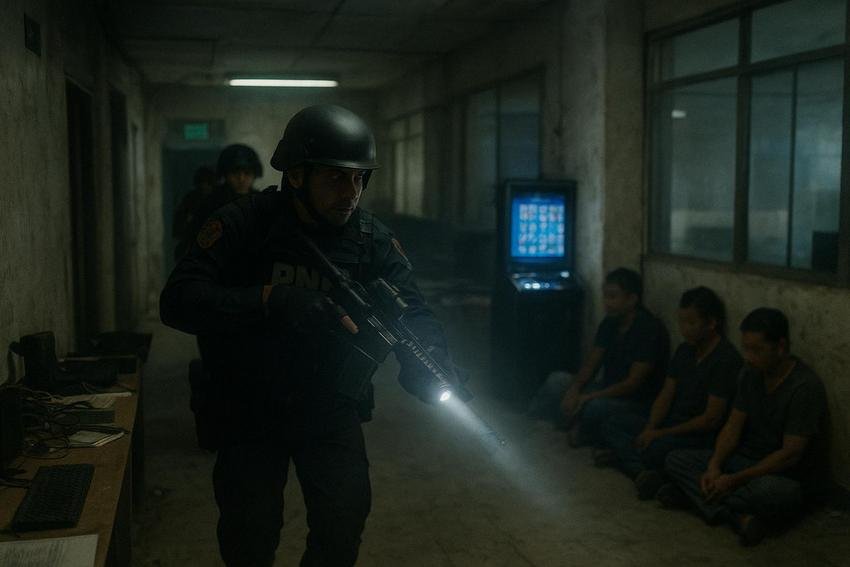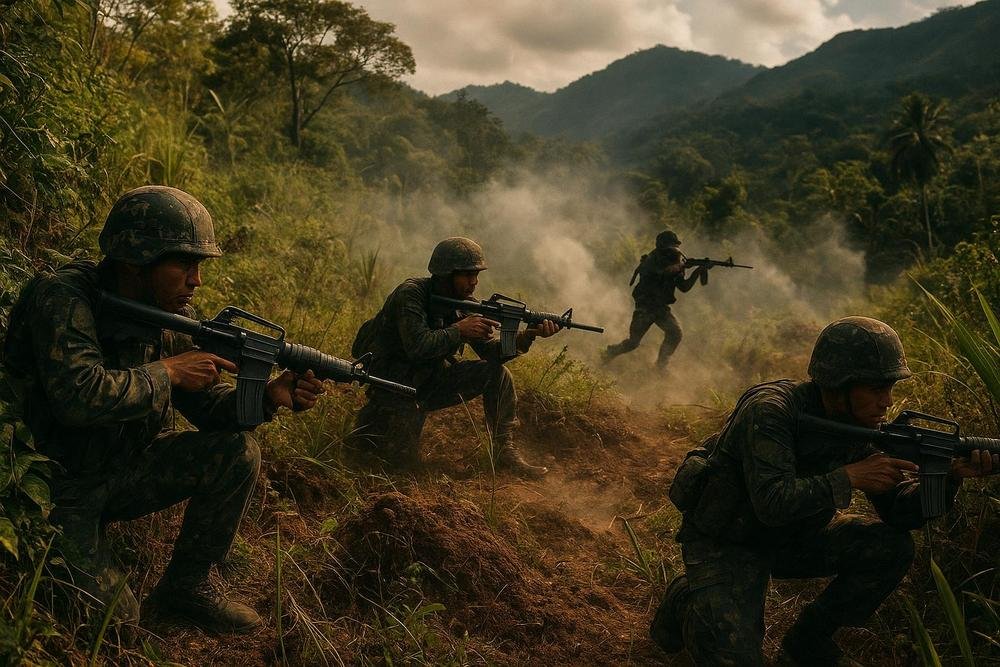
Government troops engaged in a fierce firefight with suspected New People’s Army (NPA) rebels in Camarines Sur, resulting in the deaths of five insurgents amid ongoing efforts to eradicate remaining rebel fronts in the region. The latest encounter underscores the Philippine Army’s commitment to intensify internal security operations across the Bicol area before the year’s end, as the decades-long insurgency continues to wane but remains a persistent challenge in rural communities.
Five NPA Rebels Killed in Camarines Sur Firefight
According to official reports from the Philippine Army’s 9th Infantry Division (9ID), government forces encountered and engaged NPA elements in a remote area of Camarines Sur following weeks of heightened security operations. The clash resulted in the death of five rebels, with no casualties sustained by the government troops involved in the specific firefight. This incident builds on a troubling pattern of violence in the province, where recent rebel tactics have included landmine attacks that continue to threaten military personnel and civilians alike.
Persistent Threats from NPA Landmines and Cache Discoveries
Just days before the clash, on December 19, 2025, an anti-personnel mine planted by suspected NPA insurgents detonated in Barangay Cabungan, in the municipality of Balatan, Camarines Sur. The blast killed two Philippine Army soldiers and wounded three others during routine patrols conducted by the 9th Infantry Battalion (9IB). The army publicly denounced the incident as a violation of International Humanitarian Law, emphasizing the NPA’s disregard for the lives of both military personnel and innocent civilians.
Following intensified operations, troops uncovered an arms cache containing four M16 rifles suspected to have been used by the same rebel group. These findings strengthen government intelligence about residual NPA presence in the Bicol hinterlands and justify the continuation of offensive operations to neutralize remaining insurgent cells.
Decades-Long Insurgency in Retreat but Not Defeated
The New People’s Army, the armed wing of the Communist Party of the Philippines, has historically maintained a significant presence in remote, mountainous regions, including the Bicol Peninsula. At its height during the mid-1980s, the NPA boasted an estimated 25,000 fighters nationwide. However, ongoing military campaigns and internal challenges have reduced their numbers dramatically to approximately 1,000 active guerrillas as of 2025, scattered mainly in rural pockets of Luzon, Visayas, and Mindanao.
Despite the decline in manpower and territory, the NPA continues to implement guerrilla tactics such as ambushes, extortion, and the use of improvised explosive devices, which complicate efforts to fully eradicate the insurgency. Rural residents, especially farmers in barangays like Cabungan, face heightened risks from both insurgent activity and military countermeasures, including restricted access to farmlands amid security operations.
Government’s Commitment to Ending Insurgency by Year-End
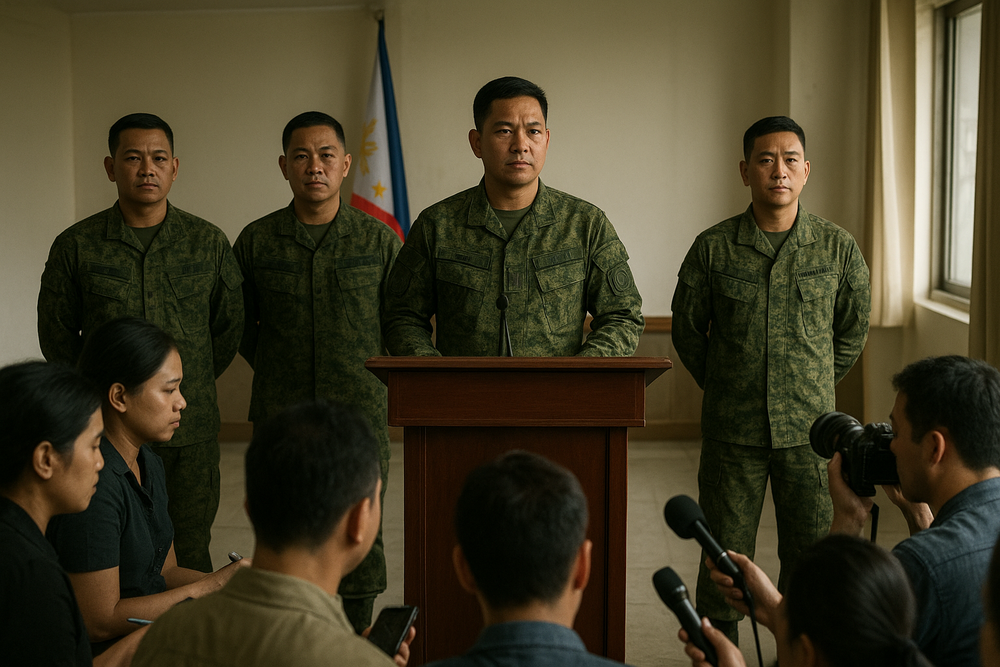
The military’s response has been resolute. Lieutenant General Antonio Nafarrete, Commanding General of the 9th Infantry Division, issued a statement honoring the sacrifices of fallen soldiers while reaffirming the army’s commitment to complete the dismantling of NPA fronts in Bicol within the year. “We honor their courage and dedication. Their sacrifice strengthens our resolve to continue our mission in service of the Filipino people,” Nafarrete said, underscoring the human cost underpinning the counterinsurgency efforts.
Major Frank Roldan, spokesperson for the 9ID, condemned the NPA’s use of landmines as “a blatant violation of the international rules of war and clearly shows the CPP-NPA’s disregard for life, human rights, and the safety of innocent civilians,” adding weight to government demands for rebel surrender and accountability under the law.
“This may not replace the lives of your loved ones but their sacrifices will not be in vain. We will not stop until we achieve justice and restore the peace they died to protect,” affirmed Lt. Gen. Nafarrete.
Balancing Security Operations and Civilian Welfare
Military operations in Camarines Sur follow the framework established by Executive Order No. 70 (2018), which institutionalizes a “Whole-of-Nation Approach” to address insurgency through coordinated civil-military efforts. The government aims to dismantle armed groups while minimizing harm to civilian populations in affected barangays, where daily life is disrupted by both insurgent violence and security measures.
Local government units in Camarines Sur, especially in municipalities like Balatan, remain central to stabilizing communities heavily impacted by insurgent and military activities. Residents’ access to essential services, agricultural activities, and safe mobility has been hindered, prompting calls from the military for the public’s patience and cooperation during ongoing security operations.
Legal Context and Enforcement
The government enforces anti-insurgency laws including provisions under the Revised Penal Code concerning rebellion, alongside the Anti-Terrorism Act of 2020 (Republic Act No. 11479) that broadens legal tools against groups seeking to overthrow the state. Alleged NPA violations, particularly the deployment of landmines, also contravene international treaties designed to protect civilians during armed conflicts.
The Philippine Army’s intensified pursuit reflects a legal and operational mandate to eliminate threats while striving to uphold human rights and international humanitarian standards amid one of the country’s longest-running internal conflicts.