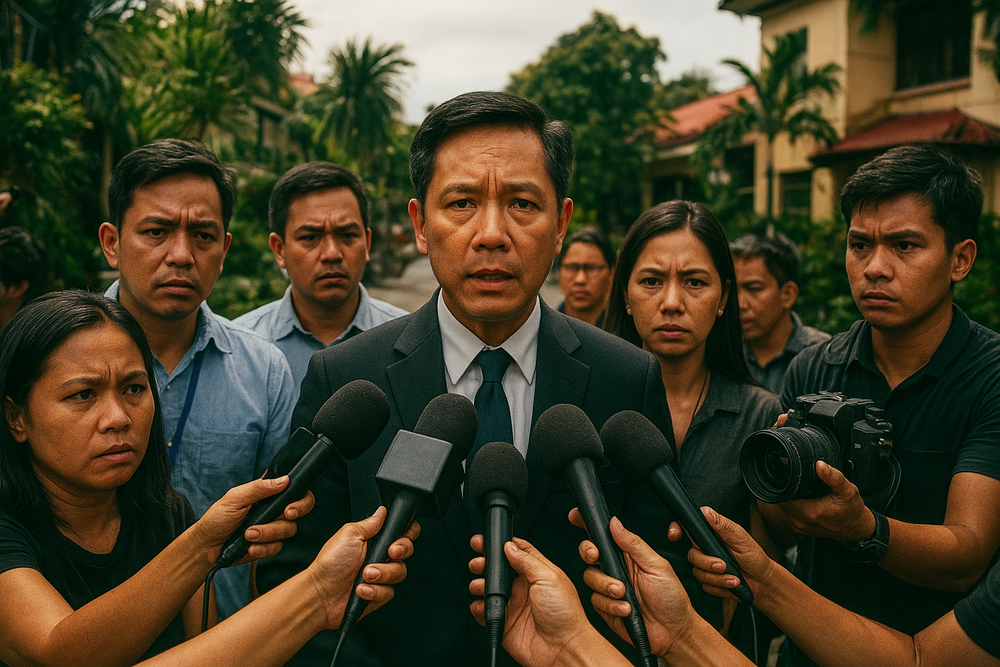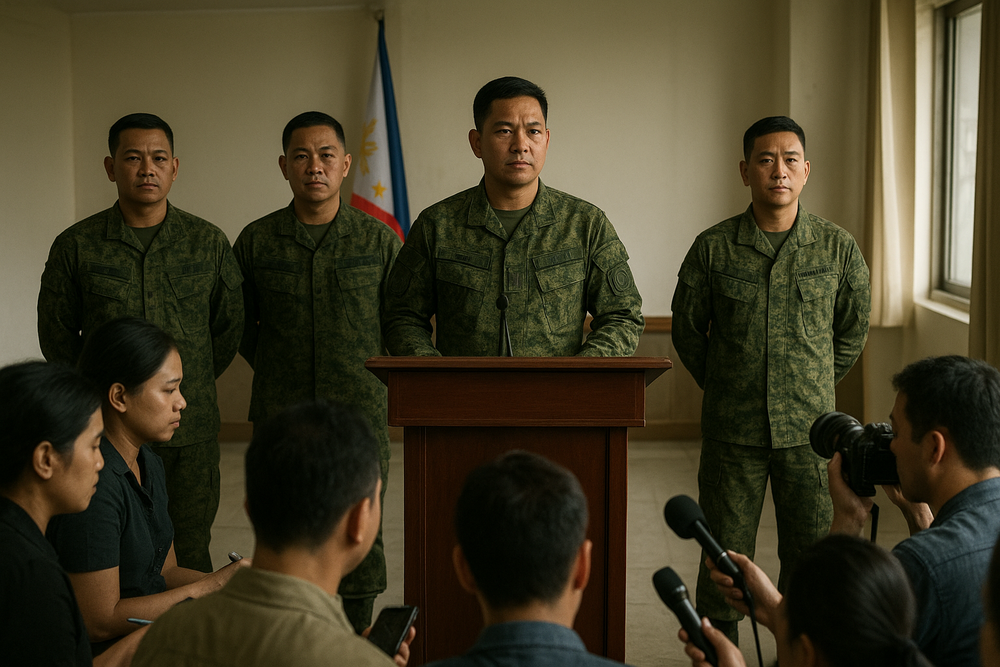
The United States military has placed 1,500 active-duty troops on standby for a possible deployment to Minnesota, a move that underscores escalating tensions between the White House and state officials over immigration enforcement and protests in Minneapolis, according to US officials.
The soldiers, drawn from two infantry battalions of the Army’s 11th Airborne Division based in Alaska, have been issued prepare-to-deploy orders by the Pentagon. The directive does not mean the troops are moving, but it signals readiness should President Donald Trump choose to invoke the Insurrection Act of 1807, a rarely used law that allows the use of active-duty military forces for domestic law enforcement.
Standby Orders, Not a Deployment
Pentagon officials stressed that no orders have been given to send the troops into Minnesota. The measure, they said, reflects standard military planning amid uncertainty on the ground.
“The military is always prepared to execute the orders of the Commander-in-Chief if called upon,” Pentagon spokesman Sean Parnell said, confirming that the soldiers are on heightened alert.
The troops involved belong to a division trained for extreme conditions, often described as specialists in Arctic warfare. Their potential use in a Midwestern US state has raised eyebrows among local leaders, who see the move as disproportionate to the current level of unrest.
Protests and a Federal-State Standoff
The preparations follow days of anti-ICE protests in Minneapolis, sparked by intensified federal immigration enforcement and a fatal officer-involved shooting. Demonstrations have continued, though officials say they have diminished in size and intensity.
Roughly 600 federal officers are already operating in Minnesota. In response, Governor Tim Walz has mobilised the Minnesota National Guard under state authority, framing it as a move to preserve public order while keeping control in local hands.
The result has been a tense political standoff. State and city officials argue that federal military preparations risk inflaming, rather than calming, the situation.
The Shadow of the Insurrection Act
At the heart of the dispute is the Insurrection Act of 1807, a 19th-century statute that gives the US president sweeping powers to deploy active-duty troops within the country to suppress unrest or enforce federal law.
President Trump invoked the law rhetorically last week, warning on social media that he could act if Minnesota leaders failed to rein in what he described as “professional agitators” targeting federal immigration officers.
“If I needed it, I’d use it. It’s very powerful,” Mr Trump said a day later at the White House, walking back the immediacy of the threat while making clear the option remained on the table.
The law has been used sparingly in modern US history, most notably during the 1992 Los Angeles riots. Critics argue that invoking it in Minnesota would mark an extraordinary escalation.
Local Leaders Push Back
Minnesota officials have publicly urged de-escalation. Governor Walz appealed directly to the president, asking for restraint.
“I’m making a direct appeal to the President: Let’s turn the temperature down. Stop this campaign of retribution. This is not who we are,” he wrote on social media.
Minneapolis Mayor Jacob Frey went further, warning that the mere preparation of federal troops felt like a provocation.
“I never thought in a million years that we would be invaded by our own federal government,” he said, adding that city authorities would not act in ways that could be used to justify a military presence.
A Situation in Limbo
For now, the crisis remains unresolved. The National Guard has been activated but not deployed to the streets. The 1,500 active-duty soldiers remain in Alaska, awaiting further orders. Protests continue, but without the mass unrest seen in previous flashpoints of US political violence.
The episode highlights a broader pattern of friction between the Trump administration and Democratic-led states over immigration and public order. Like a storm cloud that has not yet broken, the Pentagon’s preparations signal how quickly the situation could change if political decisions shift.
As of now, no active-duty troops are heading to Minnesota. But the readiness itself has sent a clear message: the federal government is prepared to escalate, even as state leaders argue that doing so could deepen the divide.